xAI’s founder Elon Musk’s Grok LLM is integrating directly into the X platform, moving beyond a simple chatbot to power automatic translation and cross-language content recommendations. This transforms X into a live-fire training ground for Grok, weaponizing its in-house AI to solve the platform’s long-standing language silos and directly challenge established translation engines like Google Translate and DeepL.
Quick Take
- Summary: Have you ever scrolled through your feed and wished you could tap into global conversations without the hassle? X is rolling out a new feature powered by its native AI model, Grok, to automatically translate posts and, more importantly, proactively recommend content from foreign languages in users’ feeds. This replaces or augments previous third-party translation services with an integrated, first-party solution developed by Elon Musk’s xAI – a step that feels like it’s closing the gap on those isolated online worlds.
- What happened: Instead of users manually clicking “Translate Post,” Grok will now handle translations more seamlessly and use language understanding to surface relevant international posts. The goal is to break down language barriers and increase the discoverability of content, thereby boosting user engagement and time on the platform. It’s one of those changes that sneaks up on you, making the experience feel a bit more connected right from the start.
- Why it matters now: This move signals a deeper strategy than just adding a feature – it’s the real game-changer. It represents the vertical integration of a foundational AI model into a global social network. By doing so, X creates a massive, real-time data flywheel to train and improve Grok on nuanced, multilingual, and fast-moving public conversations, giving it a potential edge over models trained on more static web data. From what I’ve seen in these kinds of integrations, that kind of live data loop can really sharpen an AI’s edge over time.
- Who is most affected: X users and creators will see more diverse, multilingual content in their feeds, potentially expanding their reach and audience – plenty of reasons to get excited about that, really. Competitors in the machine translation space, like Google and DeepL, now face a new rival embedded within a major distribution platform. Platform safety and moderation teams, meanwhile, face the monumental challenge of policing content that is now algorithmically amplified across cultural and linguistic boundaries, which could stretch them thin in ways we haven’t fully grasped yet.
- The under-reported angle: Current coverage focuses on the user-facing benefit of accessibility, and that’s fair enough. However, the critical unanswered questions are about performance and policy – things that keep nagging at me when I think about it. There are no public benchmarks on Grok’s translation quality versus industry leaders, nor is there clarity on the new safety protocols for preventing AI-surfaced, cross-language misinformation from spreading at scale. It’s these gaps that might trip things up down the line.
Deep Dive
Ever wonder what it would take to make a social platform feel truly global, without all the friction? Elon Musk’s move to embed Grok into X for translation and discovery is a strategic pivot from using AI as a bolt-on feature to embedding it as a core infrastructural layer. For years, social platforms have used machine translation (often licensed from tech giants like Google or Microsoft) to offer on-demand translations. X is now bringing this capability in-house, turning a utility into a strategic asset. This isn’t just about replacing one translation API with another; it’s about fundamentally changing how the content graph works – or at least, that’s how it strikes me after following these developments.
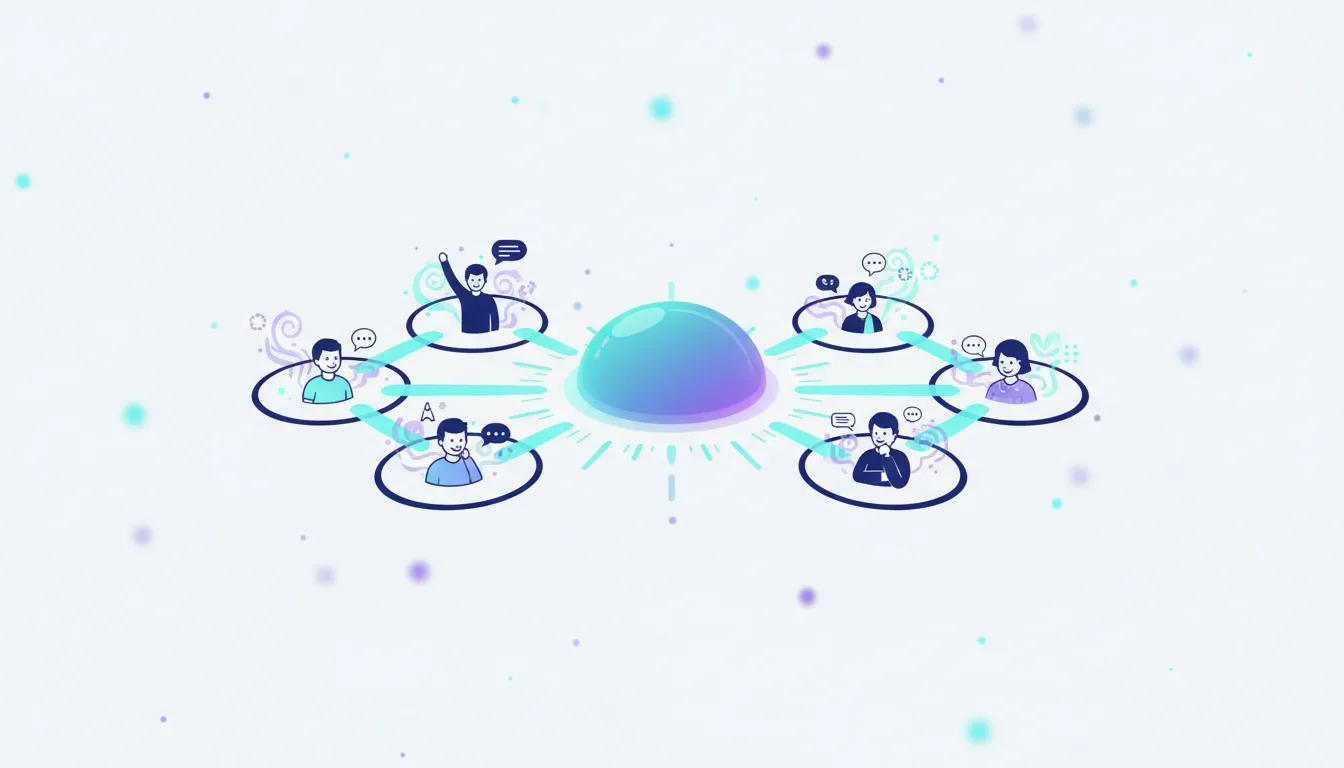
The true innovation lies less in the translation itself and more in the proactive recommendation of foreign-language content. The old model was reactive: you stumbled upon a post in another language and chose to translate it, maybe if you were in the mood. The new model is proactive: Grok analyzes your interests and injects relevant, pre-translated content from around the world directly into your feed. This aims to solve a core platform pain point – language silos that fragment global conversations and limit engagement – by turning the entire world’s public posts into a potential pool of content for every user. But here’s the thing: weighing the upsides against the unknowns makes you pause.
However, this public deployment puts Grok’s capabilities under an intense microscope, for better or worse. The key gap in all current reporting is a qualitative benchmark. Is Grok’s translation for a Japanese tweet about finance or a German post on renewable energy better, worse, or simply different from what Google Translate or DeepL would produce? Its ability to handle slang, memes, and code-switching – the messy reality of online communication – will be its biggest test. This live-fire exercise provides invaluable training data for xAI, but users are effectively beta testers for a core platform function, which adds a layer of real-world pressure.
This algorithmic promotion across language barriers opens a Pandora’s box for moderation and safety, no question about it. A piece of misinformation or harmful content that was previously contained within a specific linguistic community can now be automatically translated and surfaced to a global audience. This dramatically increases the attack surface for bad actors and places an immense burden on both AI-powered and human moderation systems to understand and act on nuanced, culturally-specific content that has been stripped of its original context. The policies and infrastructure required to manage this risk have not been publicly detailed – and that’s a thread worth pulling on. For creators and brands, this feature is a double-edged sword: the promise of a larger, international audience is paired with the challenge of ensuring their message translates accurately – not just linguistically, but culturally – to avoid misinterpretation. It leaves you thinking about how delicate that balance really is.
Stakeholders & Impact
| Stakeholder / Aspect | Impact | Insight |
|---|---|---|
| xAI & Grok | High | Provides a massive, real-time, multilingual training dataset, creating a powerful feedback loop to improve the model’s capabilities and benchmark it against real-world use – the kind of cycle that could really accelerate things. |
| X (The Platform) | High | Aims to boost user engagement and retention by breaking down language silos and making the content feed more dynamic. It’s a key play to differentiate the platform, especially in a crowded field. |
| Users & Creators | Medium–High | Users gain access to a wider range of global content, which opens doors in unexpected ways. Creators have a new, algorithm-driven tool to expand their audience internationally, but lose some control over context – a trade-off that’s worth watching. |
| Translation Incumbents (Google, DeepL) | Medium | Faces a new, well-funded competitor that owns its distribution channel. The quality of Grok’s translations could set a new performance baseline for social media contexts, shaking things up a bit. |
| Platform Safety & Regulators | Significant | Creates an unprecedented challenge for content moderation, as harmful narratives can now be algorithmically amplified across languages and jurisdictions, complicating enforcement – and that’s before you even get to the regulatory headaches. |
About the analysis
Researched and written with AI assistance under the editorial responsibility of the i10X News team. The title image is an AI-generated illustration. Read our AI Use Policy. Spotted an error? Request a correction.
This is an independent analysis by i10x, based on a review of official announcements, competitor news coverage, and technical documentation on AI-powered translation systems. It is written for developers, product managers, and strategists in the AI and social media ecosystems who need to understand the infrastructural and market implications of integrating LLMs into core platform functions – insights that might spark some fresh ideas in your own work.
i10x Perspective
This isn’t just another feature rollout; it’s a blueprint for the future of AI-native platforms, plain and simple. By vertically integrating its own LLM, X is transforming from a simple town square into an intelligent, self-optimizing communication engine. This move pressures other platforms like Meta and Google to deepen the integration of their own models, moving them from optional add-ons to the central logic of their products. The most critical tension to watch is the race between engagement gains from breaking down language barriers and the systemic risk of creating a more efficient, globalized engine for misinformation – a tightrope walk, if ever there was one. How xAI and X manage this trade-off will define the next era of social media infrastructure.