Quick Take
xAI has rolled out “Grok Bot,” an always-on AI agent available to premium subscribers. It moves things away from the usual back-and-forth chatbots toward something that runs quietly in the background.
From what I’ve seen so far, the idea is straightforward: instead of waiting for a prompt, this agent keeps an eye on incoming data, sorts priorities, and handles routine tasks on its own. The desktop and iOS beta versions make that shift concrete for early users.
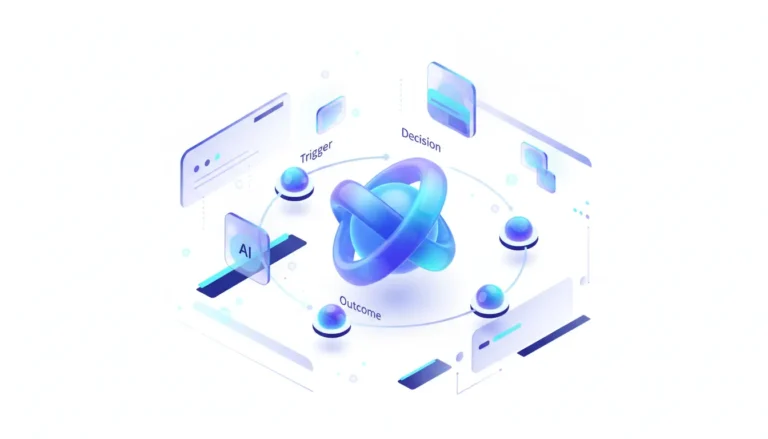
What actually launched is an always-on framework tied to the Grok model. It can summarize timelines automatically or fire off recurring reminders—nothing flashy, just steady background work limited to select premium accounts right now.
The timing matters because it nudges the whole field toward what people are calling the “agentic” era. AI stops being a search stand-in and starts acting like an autonomous workflow tool. That change brings new demands on compute, since continuous monitoring needs steady resources rather than the on-and-off spikes we’re used to.
Developers, IT teams weighing enterprise tools, and anyone watching privacy rules will feel this first. Battery impact on iOS, data handling, and the sheer volume of always-running sessions are the parts that rarely get enough attention in the first wave of coverage.
Deep Dive
The Grok Bot release changes how people actually live with large language models day to day. Most early reports treat it as another premium feature, yet the real move is architectural. xAI is pushing the model out of the old prompt-and-response pattern into something that stays active without constant nudging—something OpenAI and Google have so far approached with more hesitation.
Once the agent starts triaging inboxes, pulling fresh research summaries, or syncing calendars on its own, the system has to poll and trigger in the background. For anyone testing the iOS beta, those capabilities show up immediately as higher battery use and extra data traffic, plus the usual hassle of tuning notifications so they don’t overwhelm.
That same persistence creates fresh privacy questions. Old chat sessions stay contained; an always-running agent needs ongoing access to personal streams. Without clear rules on how long data sticks around, who might review it, or how to shut the whole thing down cleanly, companies will likely tread carefully before rolling it out widely.
On the infrastructure side, this setup tests xAI’s clusters in a new way. Most current systems scale GPUs up and down with user demand. A fleet of nonstop agents requires a steady baseline of capacity instead, which shifts both energy use and operating costs in noticeable ways.
In the end, the value isn’t just auto-summaries. It’s whether users will accept background agents that stay reliable without draining resources or eroding trust. As other labs add similar capabilities, that practical balance—local controls, steady performance, clear boundaries—will probably matter more than raw model size.
Stakeholders & Impact
- AI / LLM Providers — Impact: High. Insight: Pushes inference from bursty, user-triggered calls toward steady, always-present polling.
- Infrastructure & Cloud — Impact: High. Insight: Persistent agents need reserved compute paths so background jobs don’t queue up.
- Premium Users & IT Admins — Impact: Medium–High. Insight: Productivity gains from automatic sorting are real, yet data retention, login integration, and mobile limits remain open concerns.
- Regulators & Policy — Impact: Significant. Insight: Ongoing data collection speeds up questions about consent, easy opt-outs, and limits on monitoring.
About the analysis
Researched and written with AI assistance under the editorial responsibility of the i10X News team. The title image is an AI-generated illustration. Read our AI Use Policy. Spotted an error? Request a correction.
This independent look pulls together early signals from competing products, technical differences, and search patterns to assess how Grok Bot fits into the broader shift from chat models to autonomous systems. It is written with developers, engineering leads, and strategy teams in mind.
i10x Perspective
Moving from conversational tools to agents that stay active in the background is shaping up as the main infrastructure test over the next several years. Grok Bot’s design highlights that the hard limits now sit less with model quality and more with steady inference capacity, device constraints like battery life, and workable data rules.
The teams that succeed will be the ones that keep millions of these nonstop agents running without overloading the system or losing user confidence.