xAI’s Grok Bot Early Beta and the Cybercab Implications
⚡ Quick Take
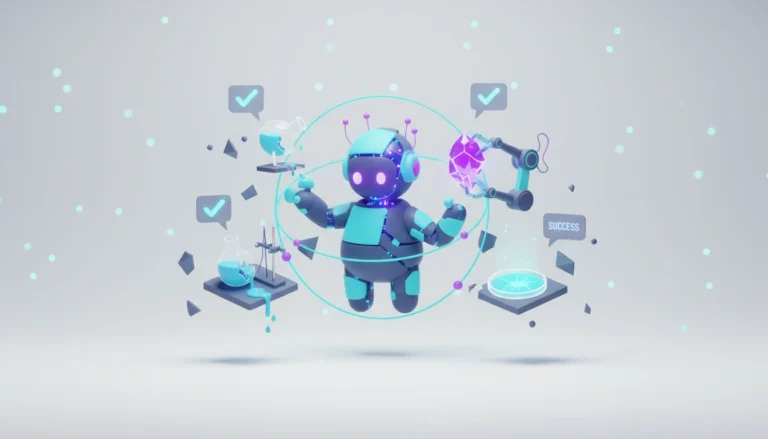
xAI has officially launched Grok Bot in early beta. It marks a shift from simple conversational AI toward something more like always-available digital teammates, each running on its own cloud setup. At the same time, the move quietly prepares the ground for how Tesla’s coming Cybercab fleet might handle passenger interactions.
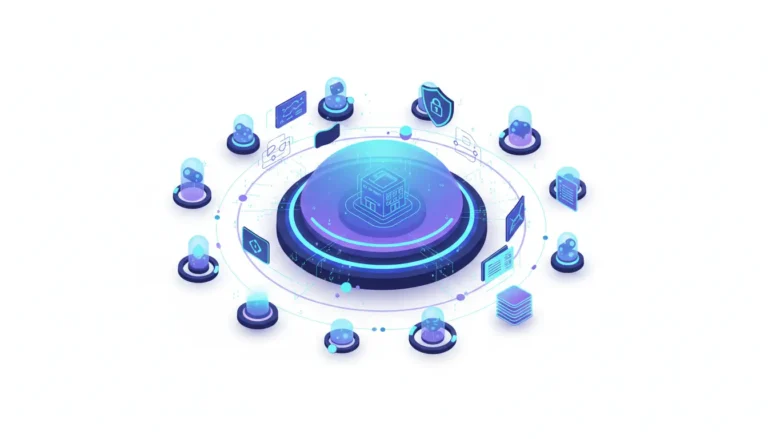
From what I’ve seen in the docs, these bots go beyond drafting replies. They get dedicated “persistent cloud computers” that include a browser, filesystem, and terminal, so they can actually finish tasks inside the tools people already use.
What happened: xAI released documentation and beta access showing that users can create separate Grok Bots, each with its own routines and approval limits. At the same time, analysts are noting how these agents could serve as the brains inside future Robotaxi rides.
Why it matters now: The industry is moving away from one-off queries toward AI that stays active, handling workflows over hours or days. That change forces everyone who runs cloud infrastructure to rethink how compute gets allocated when it never really powers down.
Who is most affected: Teams that design enterprise workflows, engineers managing always-on agent resources, and anyone in the autonomous-vehicle space watching “in-car assistant” turn into something that can execute full tasks.
The under-reported angle: Most coverage treats Grok Bot as another rival to ChatGPT or basic automation tools. The bigger story, though, is ecosystem control. By setting standards for authentication and tool access on the desktop side first, xAI is testing the operating layer that could later run inside a moving Cybercab.
🧠 Deep Dive
Grok started as a sharp, real-time chatbot on X. With Grok Bot, xAI has stepped into full agent infrastructure. The documentation makes the architectural change clear: each bot receives its own persistent cloud computer, not just an API key. That setup gives the agent a browser, filesystem, and terminal so it can keep context across sessions and carry out longer tasks while the user is away.
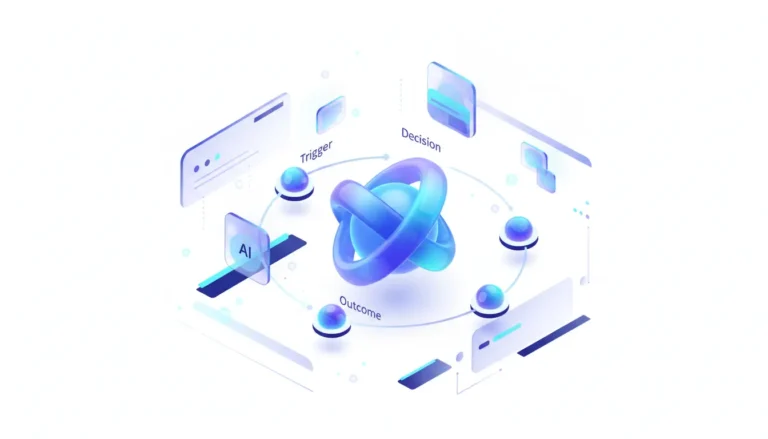
Standard LLM calls are short bursts. You ask, the model answers, and everything stops. Grok Bot works differently. It listens for triggers, watches repositories or Slack channels, and keeps running. Supporting that kind of continuous operation means new demands on memory management and context handling so the bots avoid drifting into repeated mistakes.
Because the agents act on their own, xAI built in approval boundaries and human reviewers from the start. Enterprises have been wary of letting AI touch payments or external messages, and these controls are an attempt to close that gap. One bot can also pass work to another, much like microservices, except the hand-off happens in natural language.
The bigger implications sit outside the browser. Observers are already connecting the same architecture to Tesla’s robotaxi plans. Without a steering wheel, the ride itself becomes ordinary unless the software layer adds value. A passenger’s own Grok Bot could wake up on the vehicle’s screens, bringing along saved tools, credentials, and ongoing context.
While OpenAI and Anthropic explore similar agent features, xAI has a direct line to physical hardware through Tesla. Combining the model, data from X, and these persistent agents gives the company a way to tie digital work to real-world movement. The contest is shifting from who builds the strongest model to who can keep that model running inside both a desktop and a car.
📊 Stakeholders & Impact
| Stakeholder / Aspect | Impact | Insight |
|---|---|---|
| AI / LLM Providers | High | Pushes the field from chat-style responses toward agents that hold state and use tools over long periods. |
| Cloud & Infrastructure | High | Always-on bots require fresh thinking about memory, provisioning, and how compute is scheduled around the clock. |
| Enterprise Operations | Medium–High | Companies need clear rules for what agents can do and when a person must step in. |
| Mobility & Auto (Tesla) | Significant | Turns a robotaxi from simple transport into a space where work can continue, with the software becoming the main point of difference. |
✍️ About the analysis
Researched and written with AI assistance under the editorial responsibility of the i10X News team. The title image is an AI-generated illustration. Read our AI Use Policy. Spotted an error? Request a correction.
This review draws from xAI’s public documentation, the beta details released so far, and broader market commentary on how agent systems may link with autonomous vehicles. It is meant for technology leaders tracking these architectural and ecosystem shifts.
🔭 i10x Perspective
Grok Bot points to the close of the era when models only answered when prompted. Giving agents their own cloud resources, storage, and approval rules creates the backbone for work that runs without constant human oversight. If the same system moves into the Cybercab, it forms a tight loop connecting compute, movement, and task execution. Other AI efforts will have to decide how to respond to a competitor that already controls both the intelligence and the physical platform it runs on.