Zero-Knowledge Proofs Meet AI: Verifiable Inference and the Agent Economy
⚡ Quick Take
- Summary: Zero-knowledge proofs (ZKPs) are moving fast from a niche blockchain privacy trick into core infrastructure for AI. They look set to tackle the web’s growing problem of synthetic data and the need to verify autonomous agents.
- What happened: AI-generated content and independent agents have flooded online spaces, so researchers and builders are turning to frameworks like zk-SNARKs and zk-STARKs to check AI pipelines. That’s the shift some call verifiable inference.
- Why it matters now: As AI steps beyond simple chatbots toward agents that act on their own, there’s no built-in way for the internet to handle digital trust. ZKPs give models a way to show they ran a task correctly without handing over proprietary weights or training data.
- Who is most affected: Teams building foundation models, the providers racing to speed up heavy proof generation, and enterprise security groups that need AI in tightly regulated settings.
- The under-reported angle: While attention stays on LLM scaling laws, there’s a quieter push to combine ZK proofs with Trusted Execution Environments (TEEs) and standards like C2PA. The goal is a solid “proof of provenance” layer that could guide how agents transact with each other.
🧠 Deep Dive
Have you ever stopped to wonder how we’d ever know an AI output was truly what it claimed to be? If you look through current docs from cloud providers or blockchain projects, Zero-knowledge proofs (ZKPs) still get described mostly as a fix for Web3 scaling or identity checks. Wikipedia and the big crypto names lay it out clearly: these are cryptographic tools (the old Ali Baba cave story is the usual shorthand) that let one side prove something is true without showing the details underneath. That framing, though, skips the more pressing change happening right now. Once autonomous agents start handling real tasks across the web, ZKPs may be the only approach that keeps trust intact when so much content is already synthetic.
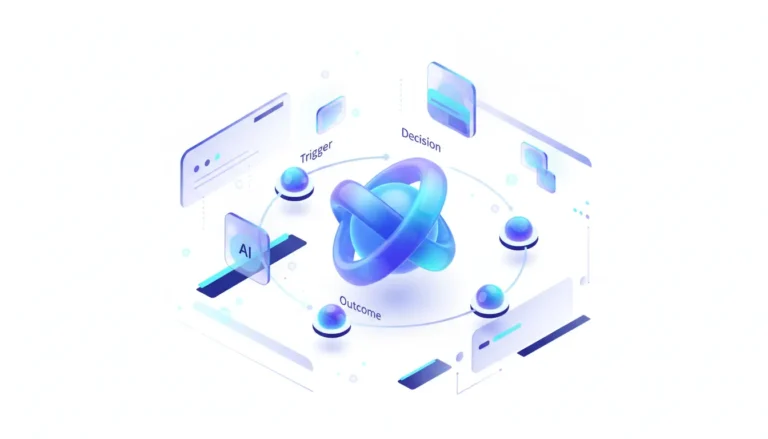
The core overlap between AI and ZKPs sits in what’s being called verifiable inference. Right now, when a developer calls a model through an API, they have to assume the provider used the right weights and left the result untouched. In an agent-driven setting—where decisions might involve trades or medical notes—that kind of blind faith breaks down quickly. With zk-SNARKs or zk-STARKs, the provider can return the answer plus a proof that shows the exact model, input, and process were used, all while keeping those expensive weights private.
That said, pairing AI with ZKPs brings a sharp practical cost: compute. Creating a zero-knowledge proof for a large model still takes serious resources and can slow things down. The bottleneck is already pushing hardware in new directions, away from general GPUs and toward ASICs or FPGAs built specifically for proof generation. Data centers in a few years will likely need separate clusters just for those proofs if the rest of the pipeline is going to stay credible.
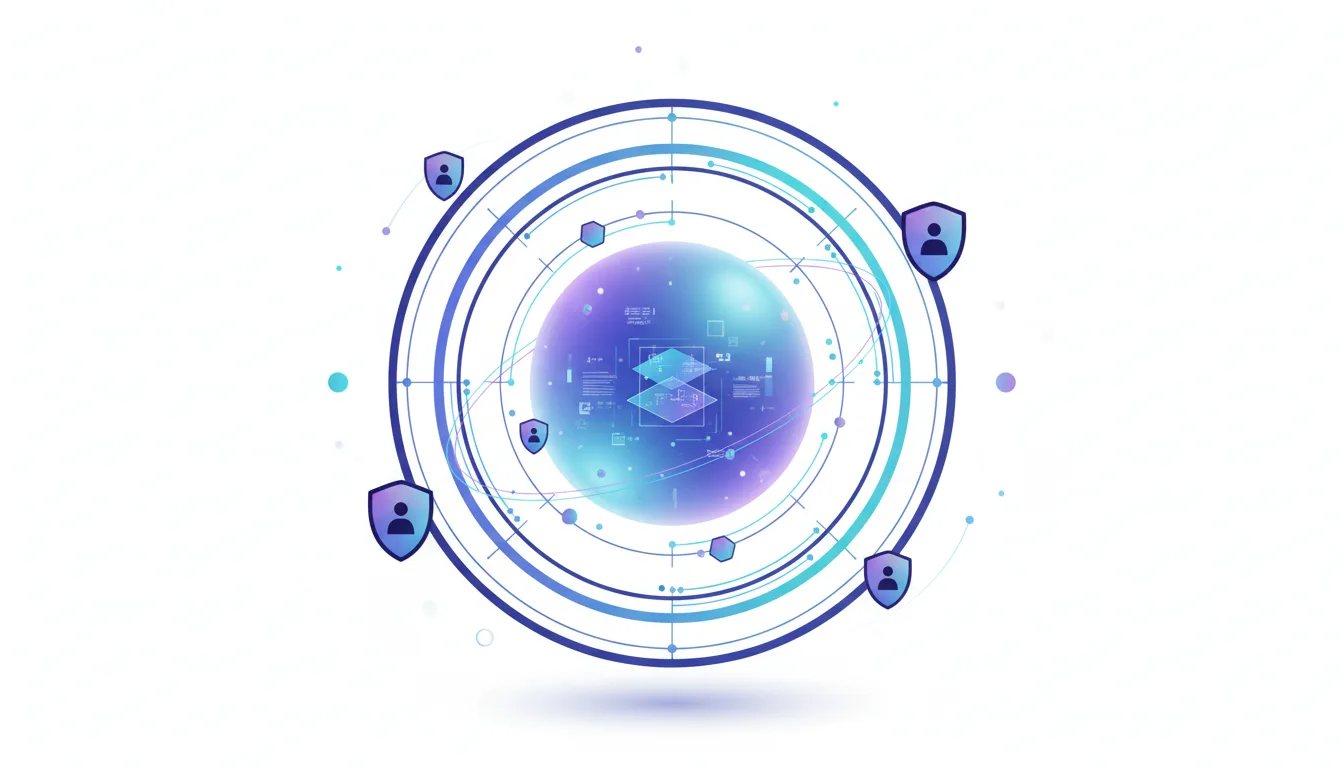
At the same time, ZKPs are helping address the question of who (or what) is actually on the other end of a connection. As bots mimic people and agents try to pass as one another, ideas like Proof of Personhood gain weight. Layering ZKPs with Trusted Execution Environments (TEEs) and C2PA lets an agent reveal just enough (“I’m an authorized system acting for a verified adult with funds available”) without exposing the underlying identity, location, or history.
In short, the math is filling gaps that policy has yet to close. While regulators debate watermark rules or drift standards, cryptography is already shipping working checks. For teams building real systems, learning circuit tools like Circom or Halo2 and weighing SNARKs against STARKs or Bulletproofs has moved from a crypto side project to a basic requirement for compliant AI work.
📊 Stakeholders & Impact
| Stakeholder / Aspect | Impact | Insight |
|---|---|---|
| AI Foundation Models | High | Vendors will face growing pressure to supply ZK-proved outputs when enterprise clients need clear assurance that a model behaved exactly as specified. |
| Chips & Compute Infra | High | Proof creation is a heavy workload. Demand is rising for specialized hardware (GPUs, FPGAs, ZK-ASICs) that can handle prover tasks efficiently. |
| Enterprise Integrators | Medium–High | ZKPs let regulated sectors (finance, healthcare) tap cloud models while still meeting privacy rules such as HIPAA or GDPR through selective disclosure. |
| Regulators & Policy | Significant | The technology offers a practical, math-based route for proving content origins, spotting deepfakes, and running safety checks without waiting for new statutes. |
✍️ About the analysis
Researched and written with AI assistance under the editorial responsibility of the i10X News team. The title image is an AI-generated illustration. Read our AI Use Policy. Spotted an error? Request a correction.
This independent overview draws from technical papers, benchmark data, and roadmaps across cloud platforms, Web3 networks, and AI infrastructure teams. It is written for CTOs, hardware engineers, and product leads who want a clear picture of how language models, agents, and cryptographic checks fit together.
🔭 i10x Perspective
From what I’ve seen so far, zero-knowledge proofs are quietly shifting the internet away from “assume it’s fine” toward “prove it with math.” As models grow more capable and start acting without constant human oversight, the ability to produce fast, affordable proofs of inference will matter as much as the inference speed itself. Over the next five years the race will stretch beyond raw model performance and into who owns the smoothest, hardware-optimized proving stack. In the end, ZK cryptography could become the quiet foundation layer for the agent economy—the piece that lets machine interactions stay private, trustworthy, and mathematically solid.