The era of standalone large language models is fading. In its place, agents are stepping in that can operate on their own across fragmented enterprise data. The force behind this change is the Model Context Protocol (MCP), an open standard often described as the USB-C for AI because it gives LLM reasoning engines a consistent way to find, negotiate with, and use tools in live workflows.
Quick Take
- The new standard: MCP replaces fragmented, one-off API connectors with a unified, open protocol for LLM-to-tool communication.
- The architecture shift: Agents now dynamically discover capabilities—such as querying live search or booking flights across multiple airlines—through standardized MCP server schemas rather than hardcoded routing logic.
- The enterprise rollout: Major infrastructure providers, notably Google, are deploying fully managed remote MCP servers to bring agentic workflows into secure, production-ready environments.
- The hidden friction: As agents begin to orchestrate multi-server tasks, the engineering bottleneck is shifting away from model intelligence toward security, permissions, and tool-call failure recovery.
What happened
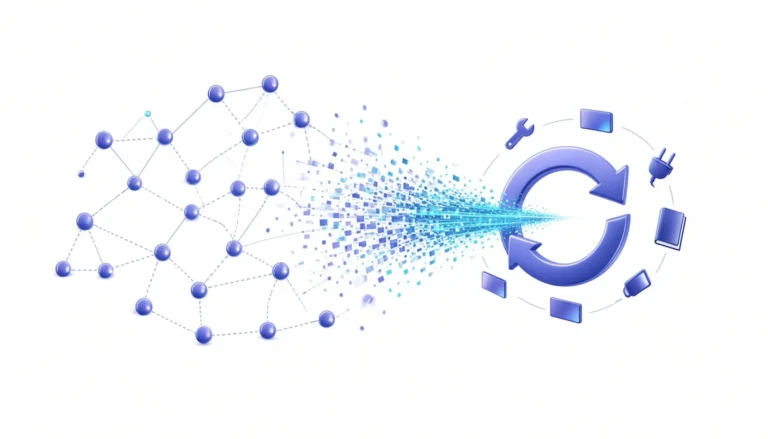
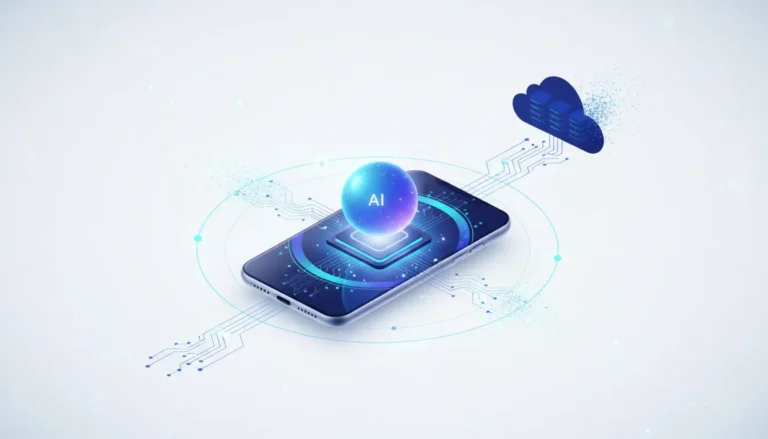
For years, linking an LLM to outside enterprise systems meant writing custom code for each API. The Model Context Protocol arrived as an open standard to cut through that mess by defining a clean client-server setup. An agent powered by an LLM acts as the MCP client, reaching out to remote MCP servers that let it discover tools, context, and data streams on the fly before it acts.
Picture a travel workflow. Instead of separate plugins, one MCP-enabled agent can handle several airline services at once. It talks to different MCP servers to check flights, review baggage rules, and confirm loyalty accounts, all through structured JSON-RPC exchanges. The LLM focuses on reasoning and planning while the servers carry out the actual calls.
The protocol is moving quickly from idea to core infrastructure. Google has launched managed remote MCP servers that tie the standard into Google Ads, Analytics, BigQuery, and Cloud Run. Other vendors are releasing MCP servers that supply agents with fresh SERP data so actions rest on current information rather than outdated training data.
Why it matters now
MCP marks a clear shift in AI infrastructure. The field is moving from single-model strengths to coordinated API work. Until now, agents hit a wall in enterprises because the N-to-M problem—tying N models to M tools—created endless upkeep, authentication hurdles, and custom code.
Standardizing discovery and context pulls the integration layer into a commodity. Once a company builds an MCP server for its databases, any compatible agent can read how to query it, what permissions apply, and how to shape the request. That cuts down on hallucinations and turns raw model smarts into dependable results.
Across the ecosystem, the protocol is changing where advantages lie. With integration friction dropping, value moves to whoever runs the most reliable, secure, and observable MCP endpoints. Cloud providers now need to design infrastructure that puts scoped access, audit logs, and rate limits in place before any token is generated.
Who is most affected
The move to standardized agent workflows changes how AI developers, cloud architects, and security teams work day to day. Moving past simple function-calling tests to full MCP setups demands tighter controls on OAuth, least-privilege access, and handling tasks across several servers at once.
| Stakeholder | Impact | Why |
|---|---|---|
| AI Application Developers | Massive reduction in integration boilerplate. | MCP provides a universal interface for tool discovery, eliminating the need to write custom API wrappers for every new model or workflow. |
| Enterprise Cloud Architects | Shift toward managed AI endpoints. | Architects must govern AI access by deploying secure, remote MCP servers rather than relying on decentralized and easily compromised API keys. |
| SaaS & Data Providers | Forced infrastructure adaptation. | Software vendors must expose their platforms natively via MCP servers or risk being excluded from the next generation of automated agent workflows. |
About the analysis
Researched and written with AI assistance under the editorial responsibility of the i10X News team. The title image is an AI-generated illustration. Read our AI Use Policy. Spotted an error? Request a correction.
This is an independent i10x analysis built for technical decision-makers, AI founders, and CTOs evaluating the deployment of production-ready agentic architectures. The synthesis maps the transition from custom API integrations to standardized protocol orchestration based on developer documentation, architectural guides, and ecosystem announcements.
i10x Perspective
MCP supplies the missing connection in the intelligence supply chain, turning LLMs from solitary reasoners into active participants across services. We’ve seen how quickly a shared integration layer can shift priorities from raw scale to reliable orchestration. As the standard spreads, the leaders will be the platforms that handle distributed services with the greatest security and consistency.