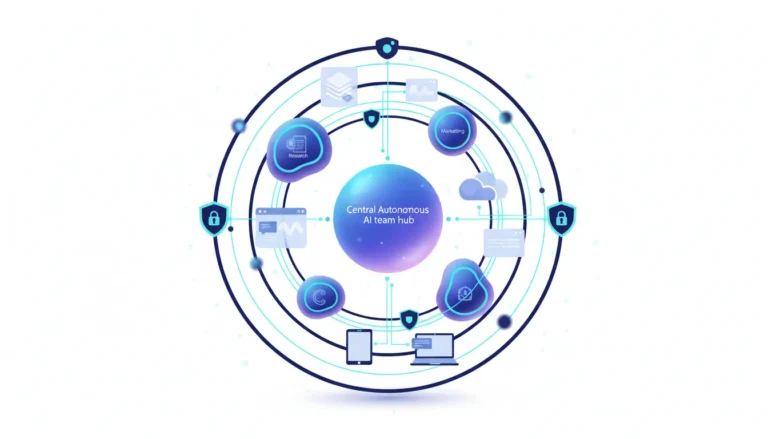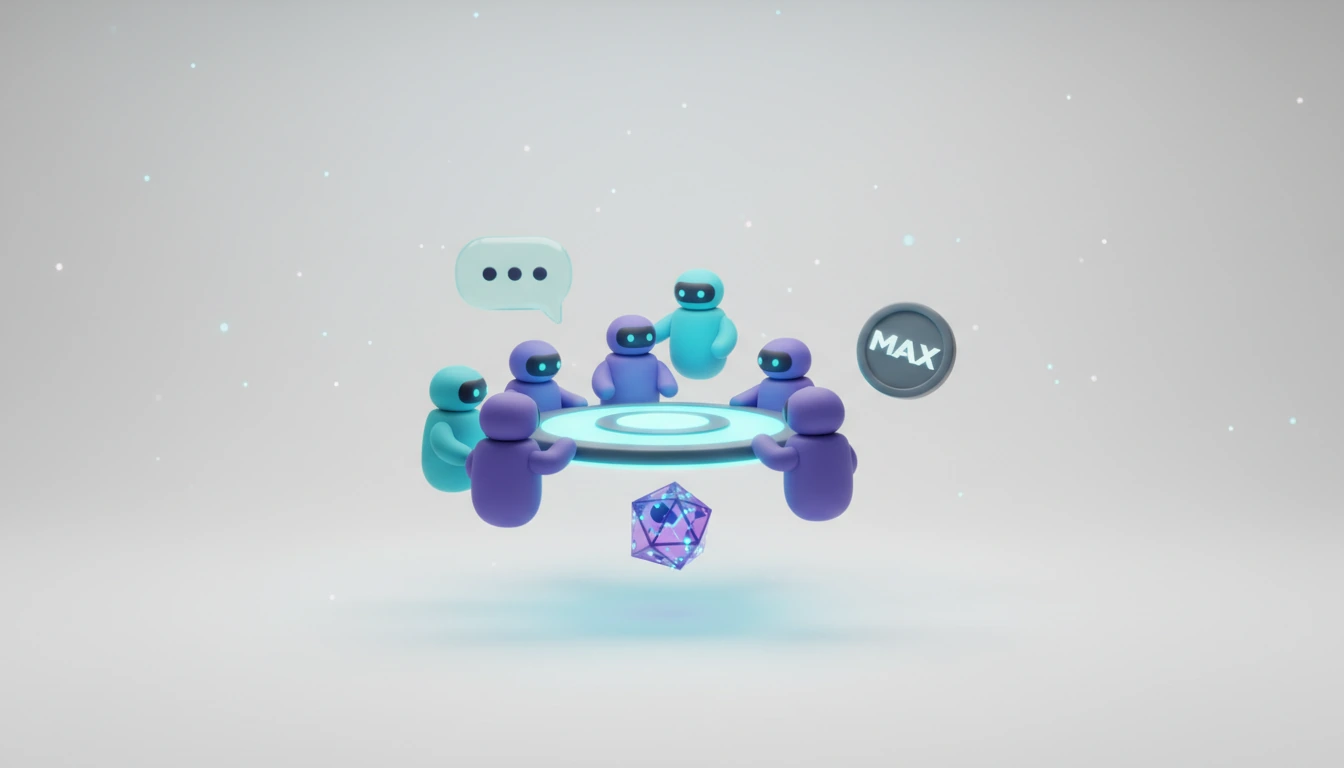
Perplexity launched Teammates on November 5, 2026: always-on personal agents for work that take high-level goals, reuse Projects, skills and memory from Perplexity Computer, collaborate with other teammates, and can message coworkers in Slack. CEO Aravind Srinivas called it a shift from writing prompts in a session to delegating ongoing jobs. The research preview is rolling out to Perplexity Max subscribers on the web first, with native mobile and desktop apps promised later.
Quick Take
- What: Teammates are persistent agents that own ongoing work inside Perplexity Computer, not one-off chat sandboxes.
- Access: Max plan on web at launch; Max is widely reported at $200/month with a large credit bundle (confirm on Perplexity’s plan page before buying).
- Internal dogfood stats (CEO): ~10,000 teammates in 30 days (≈20× headcount); ~1,000 active on a recent day; median employee at 7× agent-hours/week vs September; 1 in 5 at 40+ agent-hours/week.
- Why it matters: Perplexity is joining OpenAI/Anthropic-style always-on “coworker” agents — with a steep Max gate and a Slack-native collaboration pitch.
What happened
@perplexity_ai and Srinivas posted launch videos describing proactive agents that use Computer tasks, skills, memory and tools. Follow-up posts from Srinivas added the internal 10,000-teammate figure and the 7× agent-hours claim. Product pages at perplexity.ai/hub describe Teammates as agents for complex ongoing work; the public blog URL intermittently blocked automated fetches during reporting, so this article leans on official X posts plus secondary summaries that cite the product FAQ (promotional Teammates usage for Max, then credits).
Background: Computer → Teammates
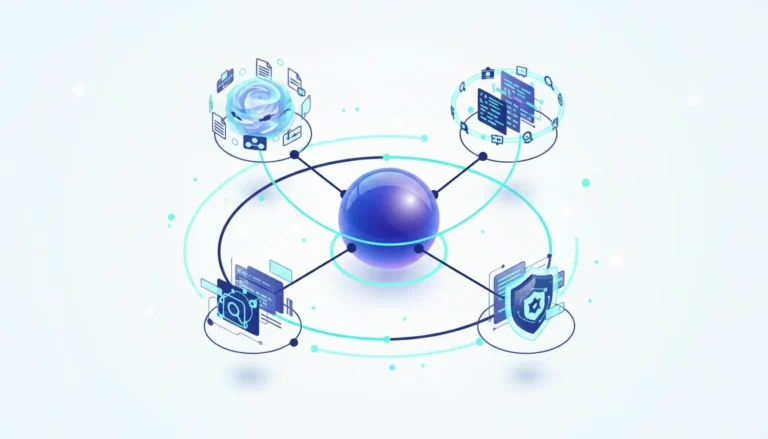
Perplexity Computer already offered agent sessions with tools, browsers and projects. Teammates productize persistence: each teammate gets a durable thread/environment, inherits existing Projects/memory/skills, can monitor work and act when something changes, and can hand off to other teammates or ping humans in Slack. Default behavior, per Srinivas replies, errs toward quiet / ask-for-approval rather than unbound autonomy. That places Teammates in the same category wave as OpenAI’s Dots-style agents and Anthropic’s Duet-style always-on colleagues — with Perplexity routing across models it does not necessarily own.
How a teammate is supposed to run
Setup guidance circulating with the launch: pick a Project, connect tools, define where work comes from, what to deliver, and when to act; optionally limit GitHub repos; give an initial task. Each teammate runs in an isolated environment with separate browser/cookies so one agent can stay signed into Meta while another works in GitHub. Users can review work, take over the desktop, or redirect mid-flight. Credit consumption after any promotional grant comes from the Max plan’s pool — ongoing agents are a budget, not only a feature flag.
| Item | Teammates launch (company claims / posts) |
|---|---|
| Availability | Max subscribers, web first; native apps coming |
| Persistence | Ongoing jobs; inherits Projects, skills, memory |
| Collaboration | Other teammates + Slack messaging |
| Internal teammates (30d) | ~10,000 (≈20× headcount) |
| Active (recent day) | ~1,000 |
| Median agent-hours | 7× vs September; 1 in 5 at 40+/week |
Pros and cons
For users
- Pro: Persistent ownership of a job (triage, monitoring, research) beats re-explaining context every morning.
- Con: Max-only access prices out Pro/Free users; quiet defaults still need supervision when Slack-connected.
For developers
- Pro: Isolated environments + Slack handoffs are a practical multi-agent pattern without standing up your own orchestrator.
- Con: Model routing details are unpublished; debugging a teammate’s decisions may be harder than a local coding agent transcript.
For companies
- Pro: Dogfood metrics suggest real internal load — useful signal that the product is past slideware.
- Con: $200/seat/month plus credits, Slack write access and browser logins create procurement, DLP and audit questions Max marketing will not answer.
What X is saying
Official posts set the frame; cost and persistence dominated replies.
Today, we’re launching Perplexity Teammates. They are personal agents for work. And change the paradigm from writing prompts in a session to giving high-level goals. Rolling out to Max users on the web today.
— Aravind Srinivas (@AravSrinivas) November 5, 2026 · View on X
Introducing teammates. Teammates work for you. They take on jobs, and work proactively using your Computer tasks, skills, memory, and tools. Teammates collaborate with other teammates and can message coworkers in Slack.
— Perplexity (@perplexity_ai) November 5, 2026 · View on X
We have about 10,000 teammates (within the last 30 days) in Perplexity’s internal workspace right now. That’s already 20x our headcount. And about a 1000 were active yesterday.
— Aravind Srinivas (@AravSrinivas) November 5, 2026 · View on X
The median Perplexity employee now gets 7x more agent-hours per week from teammates than in September… 1 in 5 are already at 40+ agent-hours a week.
— Aravind Srinivas (@AravSrinivas) November 6, 2026 · View on X
What Grok says
We did not find a single canonical Grok essay on Teammates at deadline; launch discussion on X was dominated by primary Perplexity posts and pricing comparisons. Prefer Srinivas’s numbers and Perplexity’s product pages over secondary paraphrases.
Critical analysis
Teammates are strategically coherent: Perplexity cannot win only on answer quality forever, so it is productizing work ownership. The dogfood stats are unusually concrete for a launch day — and still company-reported, with dormancy admitted for many of the 10,000. The Max gate is both a filter for serious users and a adoption ceiling while rivals ship lower seats. The hard product questions are escalation rules, credit burn on weekly monitors, Slack impersonation audit trails, and whether multi-model routing stays reliable when teammates prompt teammates. Always-on agents fail quietly; budgets and audit logs matter as much as demos.
What’s still open
- Native app timing and whether lower tiers get any Teammates access?
- Public credit math after the promotional grant?
- Which models orchestrate which steps?
- Enterprise admin controls (SSO, DLP, retention) beyond Max consumer preview?
About the analysis
Researched and written with AI assistance under the editorial responsibility of the i10X News team. The title image is an AI-generated illustration. Read our AI Use Policy. Spotted an error? Request a correction.
This independent, research-based i10x analysis is based on @perplexity_ai and @AravSrinivas posts dated November 5–6, 2026, Perplexity product-page descriptions referenced in those posts, and secondary launch summaries. Internal productivity figures are company claims. More on Perplexity.
i10x Perspective
The agent market’s center of gravity moved from “finish this prompt” to “own this job.” Perplexity’s Teammates make that shift explicit — and price it like a contractor. If the 7× agent-hour curve survives outside Perplexity’s own walls, Max stops looking expensive; if teammates mostly idle or burn credits on noisy monitors, it becomes a very polished screensaver.