Perplexity is pushing harder into the enterprise AI race with “Teammates,” a set of always-on agents built for ongoing work instead of quick answers. The agents plug straight into Slack and can carry out actions on devices via Perplexity Computer, moving the company from chat-style tools toward systems that run tasks on their own and compete directly with OpenAI and Anthropic in workplace settings.
Quick Take
- What happened: Perplexity introduced Teammates, an autonomous multi-agent workspace available via its new $200-per-month Max plan.
- The technical shift: Moving beyond reactive prompting, these agents operate 24/7 in dedicated, monitorable threads, leveraging persistent memory, custom skills, and active app connectors.
- Why it matters now: The LLM battlefield is transitioning from raw model intelligence to workflow orchestration, positioning Perplexity directly against OpenAI’s Dots and Anthropic’s Claude Duet.
- The under-reported angle: While productivity gains and Slack integrations dominate the launch news, the shift to continuous, system-level AI access introduces massive, unresolved enterprise data governance challenges.
What happened
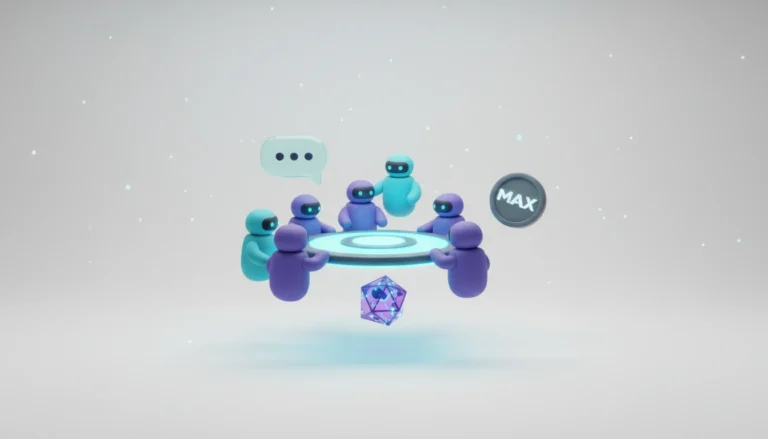
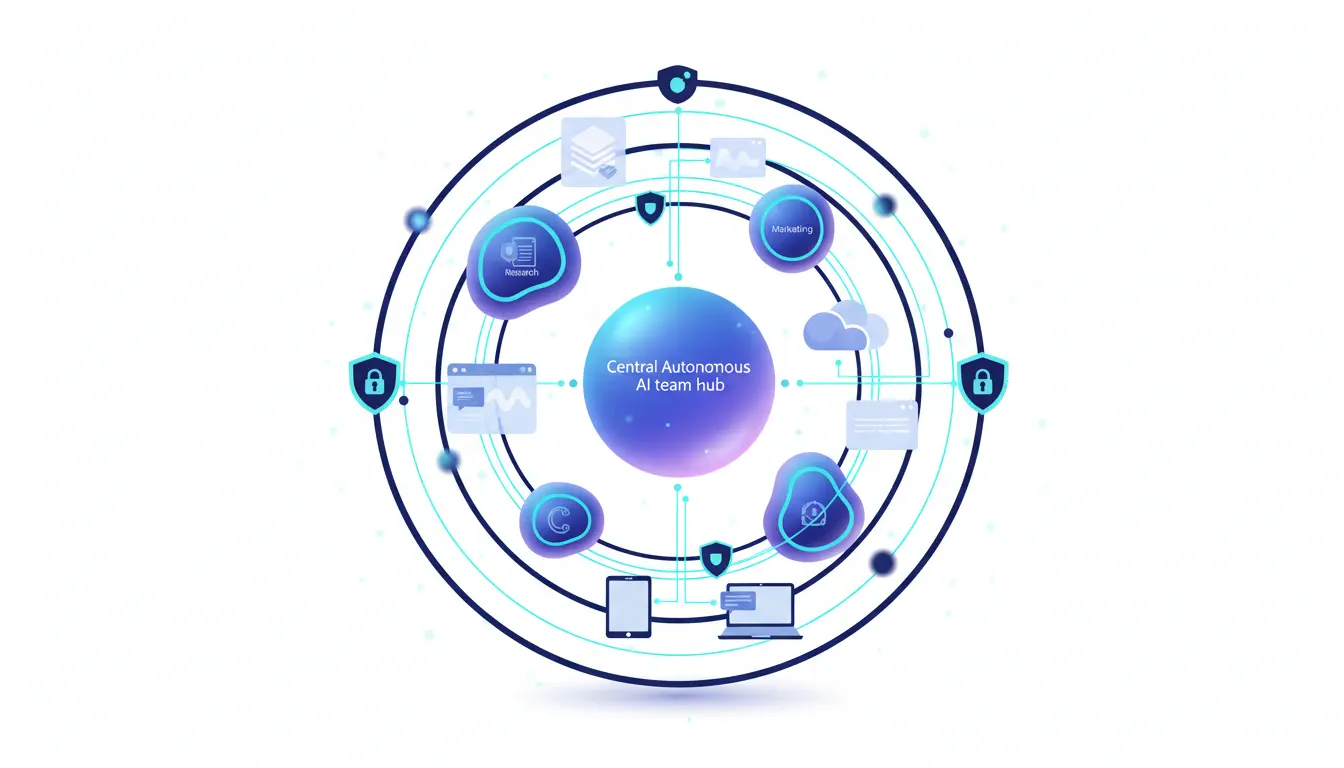
Perplexity has turned its search platform into something closer to a standing digital team. Teammates sit behind the $200-per-month Max tier and take on fixed roles inside a company—research, marketing, operations—and keep working on longer assignments. Where ordinary chat sessions end when the tab closes, these agents stay active and create their own threads so progress can be checked at any time.
They pull in company context from Perplexity projects, uploaded documents, and connected workplace tools. The key practical move is their placement inside Slack, where people already work, plus the ability to trigger actions on a desktop through the new Perplexity Computer layer. The web version is live now; desktop and mobile apps are due soon. The release tracks CEO Aravind Srinivas’s view that one person will eventually direct large numbers of specialized AI agents at once.
Why it matters now
The release highlights a clear change in how enterprise AI is built: the move from tools that wait for prompts to agents that keep running in the background. Earlier LLM products needed steady human input. Always-on agents, by contrast, require models that hold long context, handle rate limits, and break big jobs into steps that stretch across hours or days. That changes infrastructure needs from short bursts of compute to steady background work.
It also sharpens competition. Perplexity is lining Teammates up against OpenAI’s Dots and Anthropic’s Claude Duet, which signals that raw model quality alone is no longer enough. Lasting value now comes from memory across sessions, coordination across apps, and smooth ties into existing company systems. Giving agents the Perplexity Computer capability to act directly on devices takes them out of the browser and into real operations, which raises the bar for reliability and reduces tolerance for errors.
Who is most affected
Enterprise IT teams, knowledge workers, and rival AI labs all face new pressure. Decision makers must show clear returns on the $200-per-month price, which means proving the agents can take over recurring work rather than just improve search.
| Stakeholder | Impact | Why |
|---|---|---|
| Enterprise IT Leaders | High | Must navigate complex new data privacy, governance, and auditing hurdles for agents reading live Slack channels 24/7. |
| AI Foundation Labs | Critical | OpenAI and Anthropic face accelerated pressure to release and refine their own multi-agent enterprise workspaces. |
| Knowledge Workers | Transformative | Daily workflows will shift from hands-on software operation to managerial orchestration of multiple digital agents. |
| SaaS Productivity Vendors | Moderate | Standalone tools risk disintermediation if AI agents can seamlessly orchestrate data across existing platforms without human UI interaction. |
The enterprise governance blind spot
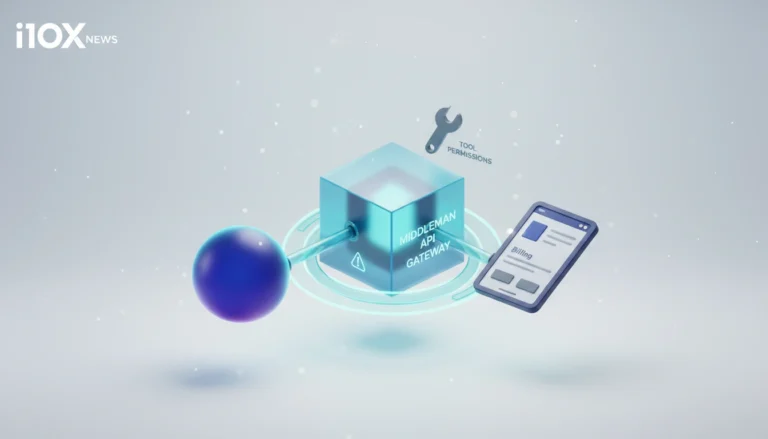
Most coverage has centered on price and competition, yet the real near-term limit for Teammates is compliance. Persistent agents need ongoing access to files, skills, and live messages. Without tight controls on how memory is stored, how connectors are secured, and how actions are logged, regulated sectors will hold back until the safeguards match the automation.
About the analysis
Researched and written with AI assistance under the editorial responsibility of the i10X News team. The title image is an AI-generated illustration. Read our AI Use Policy. Spotted an error? Request a correction.
This is an independent, research-based i10x analysis designed for CTOs, product managers, and AI ecosystem watchers, synthesizing product launch data, market positioning, and competitive intelligence to contextualize the shift toward agentic AI.
i10x Perspective
The launch of Perplexity Teammates marks the close of the simple chatbot phase and the start of persistent digital coworkers. Models that can stay active around the clock, hold state, and touch operating systems directly push the industry to rethink what ongoing intelligence actually requires. We’ve seen that the winner in enterprise AI will be the platform that handles workflow coordination, multi-agent handoffs, and secure data controls at scale, not just the one with the strongest base model.