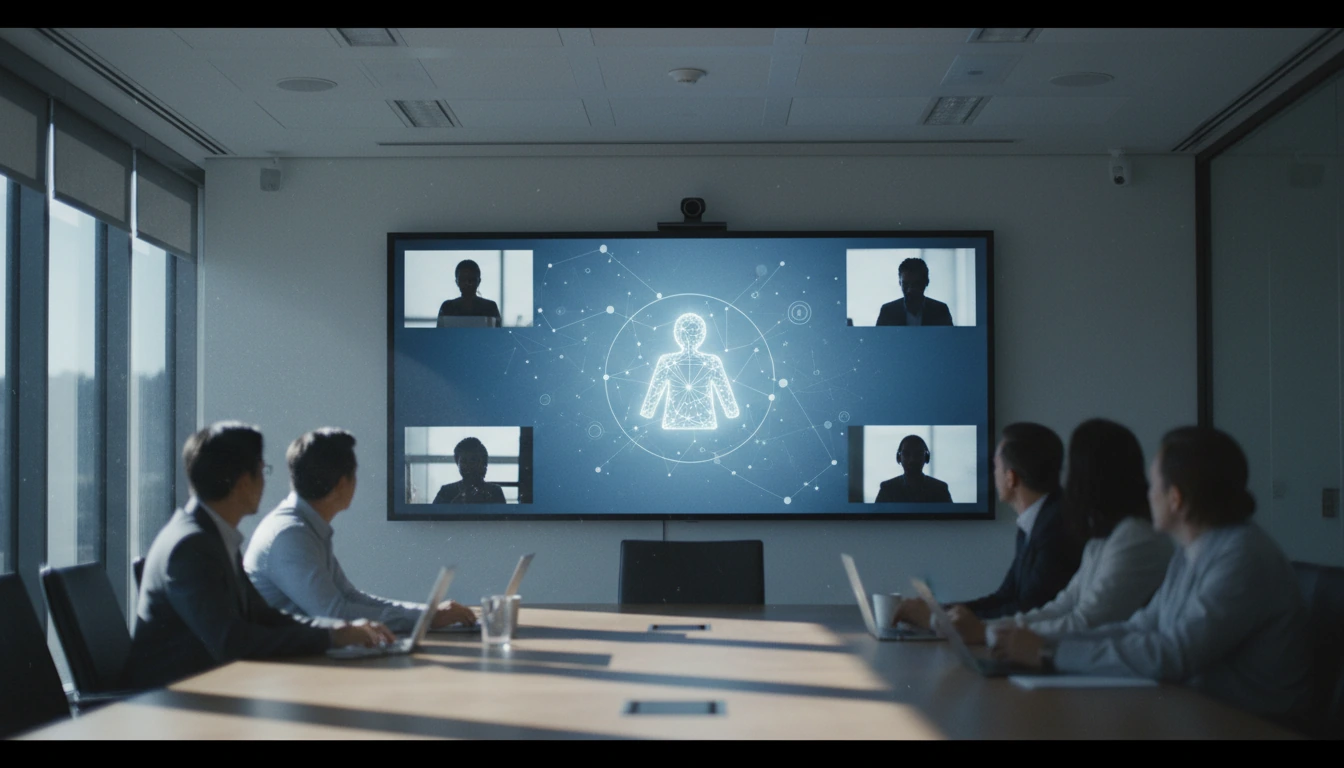
Microsoft company page is letting AI agents take part in Teams as members with their own identity. The company announced Teams capabilities for building “digital teammates” in a Microsoft 365 Developer Blog post by Sujeet Mehta on 17 November 2026.
Quick Take
- Agentic Users: in public preview; agents get their own Microsoft Entra accounts, an accountable owner and administrator controls.
- Agent plans and steps: in public preview; people see what the agent is doing and when it needs them.
- Threaded replies and HTML widgets: in public preview for task threads and interactive views.
- Available now: streaming in group chats and channels, plus extended Markdown with citations.
- Developer tool: Socket mode, in public preview, lets developers test agents without a public endpoint.
In plain English
Until now, agents in Teams mostly answered when asked, under a shared app name. With Agentic Users, an agent can be found by name, added to chats, channels and meetings, and @mentioned like a coworker. Its profile shows its owner, and its actions are logged under its own name. Administrators approve it, set its access and can turn it off.
What happened
Microsoft says the new capabilities support “agent identity, conversational context, visible progress and interactive experiences.” With scoped access, an agent can contribute without waiting to be asked: it can post an update, follow up on an open question or nudge stalled work, within limits the organization sets.
Background
The Ignite Book of News separately describes Autopilot, which colleagues can @mention in Teams channels and group chats. Both rely on Agent 365 for oversight. See also our report on Microsoft Copilot Workspaces, Autopilot and Copilot Code.
How it works
Administrators review an agent’s activity in Microsoft Agent 365 down to individual tool calls. Developers use the existing Teams SDK, and platforms that create many agents can maintain one Teams app while people work with distinct digital teammates.
Why it matters
For teams, an agent with a visible name and owner is easier to trust and hold accountable.
For administrators, audit logs tie every action to the agent, not to a person.
For developers, agents can be built once and appear as separate colleagues.
What’s still open
- When the public preview features reach general availability.
- Licensing costs for agents with their own Entra accounts.
- How companies will decide which agents may act without being asked.
Sources
- Microsoft 365 Developer Blog, “New Capabilities for Building Digital Teammates in Microsoft Teams,” Sujeet Mehta, 17 November 2026
- Microsoft, “Microsoft Ignite 2026 Book of News,” 17 November 2026
i10x Perspective
This is a developer announcement, mostly in preview. Giving agents identities is the key governance step, because it makes their actions auditable. More in our Agents section and Enterprise Work section.