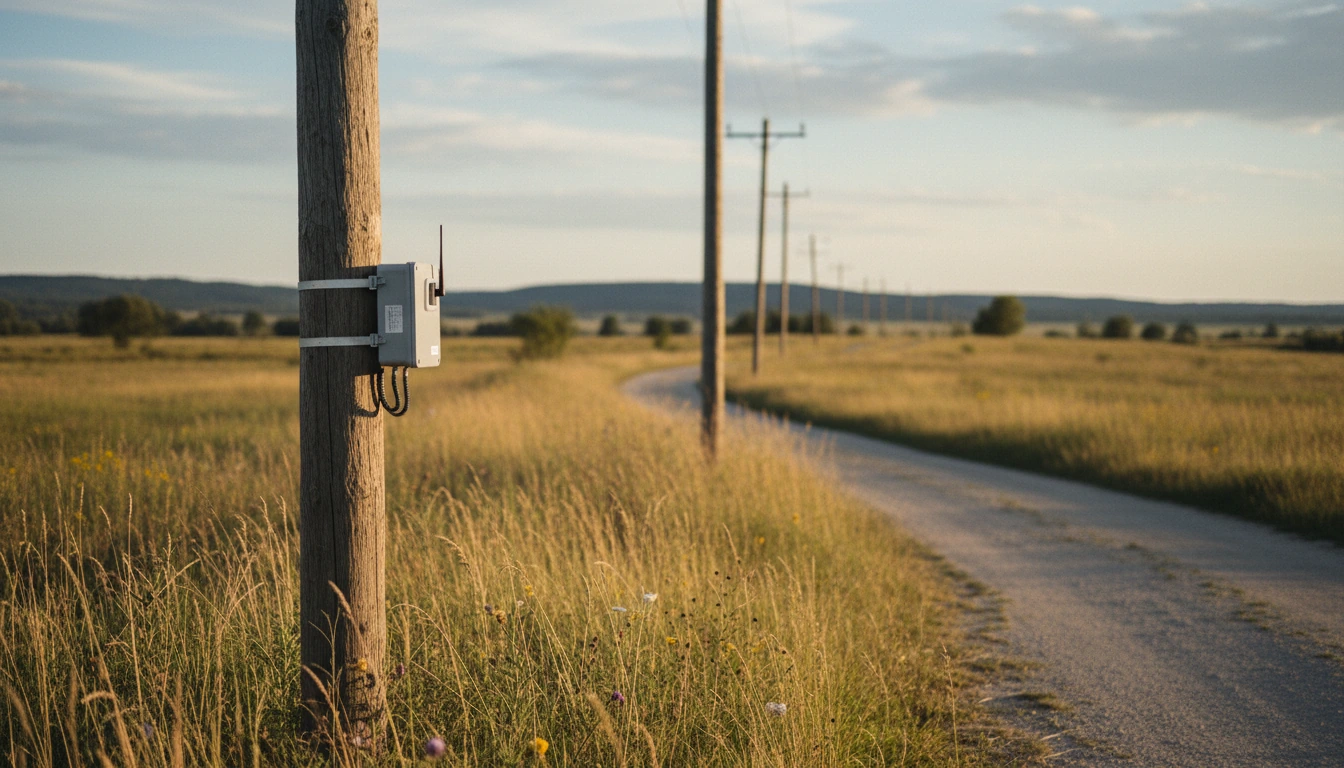
BrightAI, a physical AI company that monitors pipes, power poles and pumps with sensors, robots and AI, has raised $97 million in a round led by Smith Point Capital. Fortune reported the round on 18 November 2026, citing a person familiar with the matter for a $750 million valuation and total funding of $184 million.
Quick Take
- Round: $97 million, led by Smith Point Capital, the growth firm started by former Salesforce co-CEO Keith Block.
- Strategic investor: GE Vernova, already a customer, plus Cobalt Capital, Marlinspike Partners, Zero Infinity Partners and existing backers Khosla Ventures, Inspired Capital and Upfront Ventures.
- Valuation: $750 million, according to a person familiar with the matter cited by Fortune.
- Platform: Stateful, which pairs edge sensors with autonomous robots, drones and AI copilots for field crews.
- Scale: more than 50,000 locations, the company says.
In plain English
Utilities and pipeline operators still send crews out on a fixed schedule to check equipment, and most of those trips find nothing wrong while real failures happen in between. BrightAI puts sensors on the equipment and uses AI to watch it all the time, so crews go out when something is actually going wrong. The new money is meant to take that system to more countries.
What happened
BrightAI announced the round on Wednesday, Fortune reported. Founder and CEO Alex Hawkinson, who previously founded SmartThings and sold it to Samsung, told Fortune: “The Romans are laughing at us,” referring to inspection routines that have barely changed in two thousand years. GE Vernova will use BrightAI across its Power, Wind and Electrification businesses, according to the company’s release as cited by Fortune.
Background
Physical AI, meaning AI that senses and acts in the real world, is drawing large rounds this month, from robot makers to companies such as Valkryn that test autonomous systems. BrightAI, founded in 2019 and bootstrapped for its first four years, applies the idea to ageing infrastructure. Customers named include GE Vernova, Reworld, Osmose Utilities Services, Azuria Water Solutions, Kodiak Gas Services and Diamondback Energy.
How it works
- Sensors: edge devices on poles, pipelines, compressors and tanks stream readings continuously.
- Models: AI predicts failures; Hawkinson said customers on average see trouble coming 51 days before what would have been a catastrophic failure.
- Field tools: autonomous robots, drones and wearable AI copilots support technicians.
- Example: Hawkinson described one customer finding that about half of its spark plug replacements were premature once BrightAI’s models had the sensor data.
Why it matters
For utilities and energy companies, BrightAI says more than half of scheduled inspections find nothing to fix, so continuous monitoring could cut costly and often dangerous trips.
For the AI market, the round shows investors backing AI that produces a new kind of data: a continuous record of how real equipment wears out.
For workers, the model shifts field crews from routine checks to targeted repairs, with AI copilots on site.
What’s still open
- The valuation is not confirmed by the company on the record.
- The $7 trillion-plus waste estimate is BrightAI’s own, based on its survey of 12,158 operators.
- How fast deployments scale outside North America, where BrightAI says nearly 60% of its market lies.
Sources
- Fortune, “BrightAI raises $97 million to end Roman-style infrastructure inspections,” 18 November 2026, including BrightAI’s announcement as cited
i10x Perspective
Some of the most durable AI businesses may look boring from the outside: sensors on pipes and models that know when a pump will fail. BrightAI’s pitch is that the data itself becomes the moat. More deals are tracked in our Funding & M&A section and the AI Funding Index.