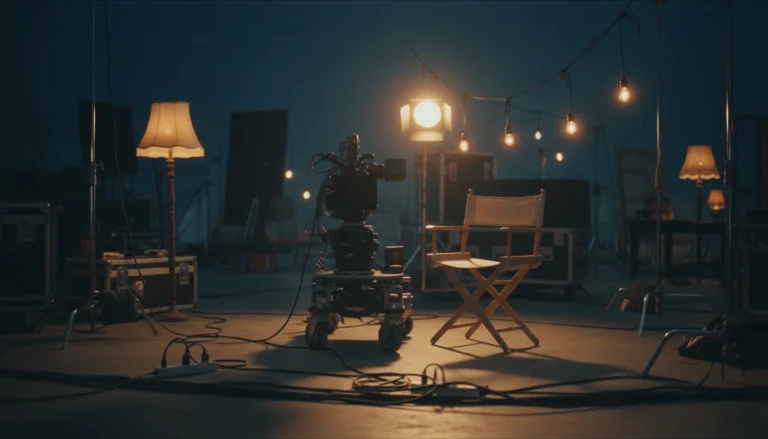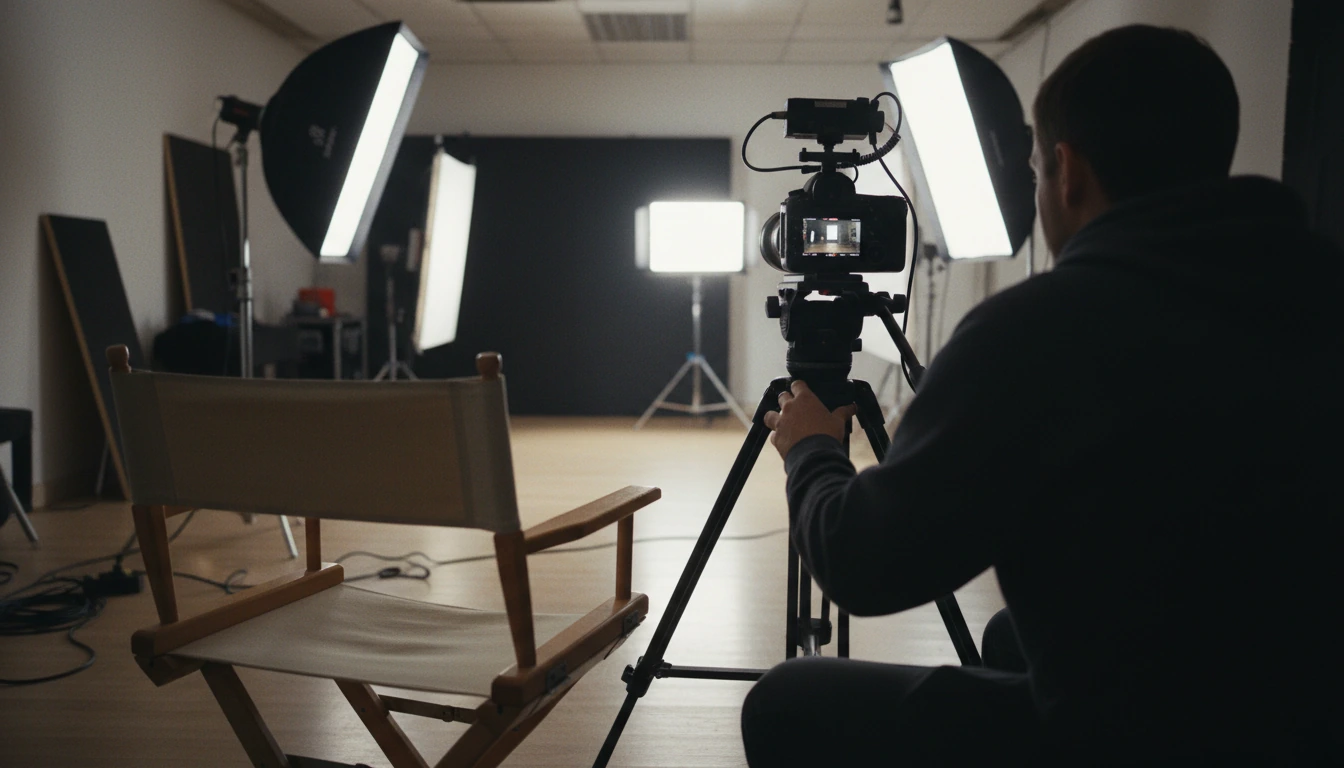
Pika Labs wants AI video to feel more like directing on a film set than typing into a prompt box. On 18 November 2026 the company unveiled Pika Enact, an experimental research preview built on its Pika H3 Flex model that generates video and sound in sub-second chunks, so creators can move actors, give them spoken notes and steer the camera while the scene keeps playing.
Quick Take
- What it is: a research preview of a live-streaming video environment, not a consumer product.
- Three controls: live staging with the mouse, live actor direction by voice or text, and live camera control.
- Speed: Pika says the model generates 1.8 times faster than playback on a single server during staging, and 1.75 times faster for picture and sound during actor direction.
- Under the hood: short causal chunks of 0.7 seconds, or 0.17 seconds in a low-latency mode, built on Pika H3 Flex.
- Access: Pika asks interested teams to contact its enterprise team; there is no public timetable.
In plain English
Normal AI video tools work like ordering food: you describe the scene, wait, and see what comes back. Enact keeps the video running while you work. You can drag a person to a new spot, tell an actor to “move closer to her”, or swing the camera around, and the video changes as it plays.
What happened
Pika described Enact in a research blog post as “designed to mimic the experience of directing on set.” It is “an experimental live-streaming environment built on Pika H3 Flex that generates video and sound in sub-second chunks, carrying scene context forward while incorporating new direction into the ongoing generation.”
How it works
- Live staging: place and reposition actors or objects inside a running video. Pika says pose, lighting and shadows adapt, with no cut-out edges or compositing pass.
- Live actor direction: each actor is an AI agent with its own personality and memory of your notes. A script model does the thinking and a real-time video model does the acting, picture and voices together. You rehearse, then call “Action” for one clean take.
- Live camera control: drag the mouse to change angle and movement as the scene unfolds.
Pika H3 Flex itself is a post-trained version of MiniMax’s H3 video-and-audio model that generates in six sampling steps, according to its model documentation. The same MiniMax H3 base also powers Suno’s new music video generator.
Why it matters
For filmmakers and creators, real-time control could turn AI video from a slot machine into a tool for blocking scenes and rehearsing performances.
For the industry, it shows video models converging with agents and interactive media, a trend also visible in real-time personas such as Nuance Labs’ Emma.
For companies, Pika is clearly targeting integration partners first, not consumers.
What’s still open
- Image quality: in a demo discussed by The Neuron, Pika’s team said the real-time approach produces somewhat lower quality than its offline generation.
- Hardware cost: some of Pika’s figures were measured on H100 and eight-GPU B300 setups.
- When, or whether, Enact reaches Pika’s regular users.
Sources
- Pika, “Research Preview: Pika Enact,” blog post, 18 November 2026
- Pika H3 Flex model documentation (GitHub and Hugging Face Diffusers)
- The Neuron, coverage of Pika Enact, 18 November 2026
i10x Perspective
The next battle in AI video is latency, not resolution. If generation runs faster than playback, video becomes something you steer, not something you order. Enact is an early, honest preview of that shift. More in our Video & Image section.