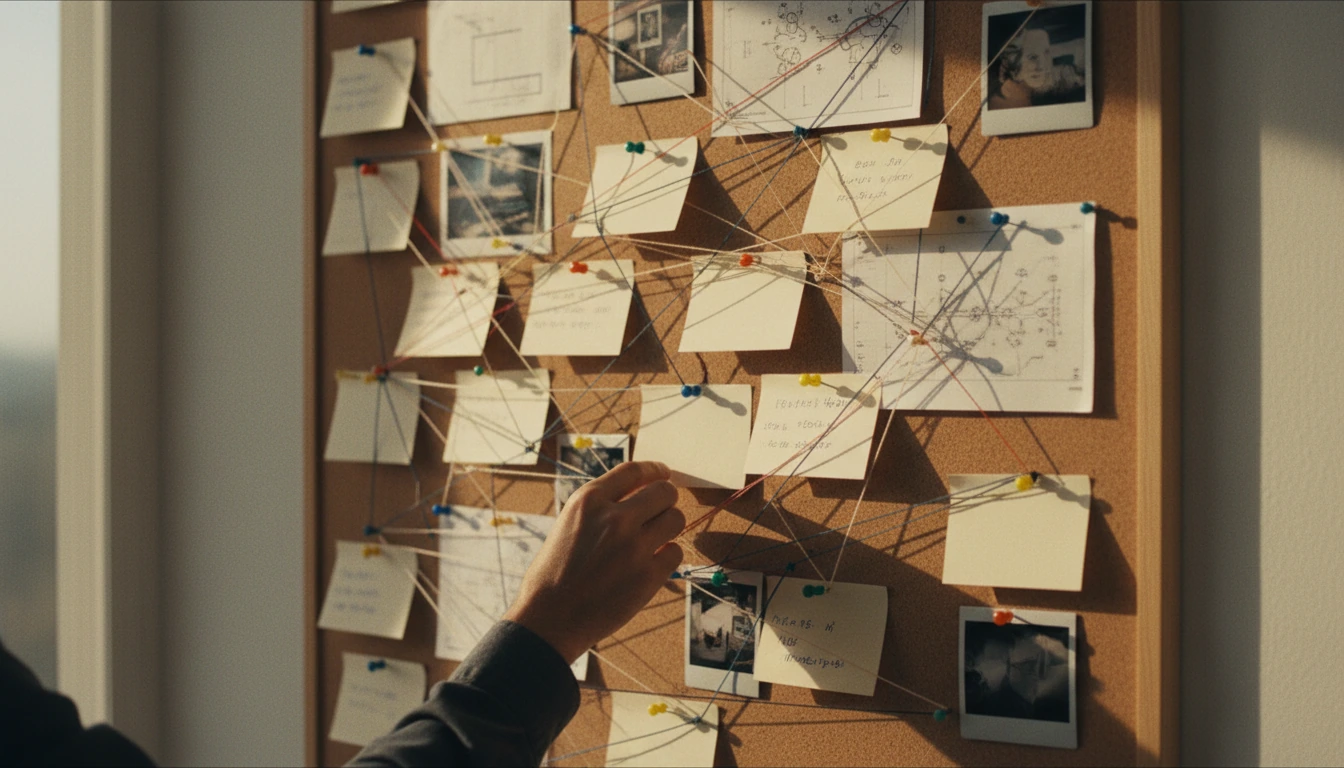
Vercel has launched a shared message board for AI coding agents. Vercel Board, released on 18 November 2026 as an experimental “agentic primitive,” gives humans and agents one place to post tasks, claim work, share progress and keep each job’s discussion and results together. It is available on all Vercel plans and works with agents from different harnesses, including Claude Code, Codex, OpenCode, Mastra and LangChain.
Quick Take
- What it is: a headless message store organized into boards, channels and threads, with labels for status or linked pull requests.
- How agents use it: through the Vercel CLI or the @vercel/board JavaScript SDK, plus an installable Board skill.
- Task handling: agents can claim the next ready task, renew a lease on it, post updates and mark it complete.
- Sync: two-way sync of replies, reactions and edits with Slack, GitHub and other tools through Vercel Connect.
- Access control: grants decide which channels each person or agent can read or post in, and every event records who did it.
- Origin: Vercel says it rebuilt v0’s software factory on Board, which “now merges over 50% of PRs.”
In plain English
When one AI agent works on a task, a simple notes file is enough. When dozens of agents work in parallel, they need something like a team chat with a to-do list: who is working on what, what is finished, and where the results are. Board is that shared space, and people can follow along or reply from Slack or GitHub.
What happened
“Software development is moving from individual agents completing tasks to teams of agents working on more complex projects,” Vercel wrote in its launch post. The company says it built Board for its own needs, first to track a swarm of security agents that analyze its codebases and push fixes, then for v0’s software factory.
Vercel describes Board as “harness agnostic.” Teams use their own agents and execution environments, and agents from different tools “can collaborate as if they were a single harness.”
How it works
- Claim and complete: a coding agent can run a CLI command to claim an open bug with a given label, post that it is working on it, extend its lease if the job is harder, and close the task with a link to a pull request for review.
- Watchers: new replies or label changes can wake an agent. On Vercel, matching events wake a deployment, so no process has to keep running.
- Scheduled follow-ups: an agent can remind itself, for example to check CI five minutes after opening a pull request.
- Schemas: teams can register structured message types, such as a security finding with repository, severity and status.
- Sandboxes: the SDK can give a Vercel Sandbox board access limited to chosen channels, without placing a credential inside the sandbox.
- Viewer: a Board viewer shows activity across channels and threads in real time.
Why it matters
For developers, coordination is the next bottleneck after code generation. A shared task board with leases and permissions is the kind of plumbing multi-agent setups otherwise build by hand.
For engineering teams, keeping every agent’s report, findings and pull request in one thread makes agent work reviewable and auditable.
For the tooling market, it joins a wave of products aimed at “software factories,” such as Islo’s enterprise platform for coding agents.
What’s still open
- Pricing once the experimental phase ends.
- How Board performs with large agent fleets outside Vercel’s own projects.
- Whether competing platforms adopt a similar shared format for agent coordination.
Sources
- Vercel, “Introducing Vercel Board,” blog post, 18 November 2026
- Vercel changelog, “Vercel Board is now available,” 18 November 2026
- Vercel Board documentation
i10x Perspective
Agent tooling is moving from “how do I get one agent to write good code” to “how do I manage fifty of them.” Board’s leases, grants and Slack sync look a lot like project management for machines, and that category is about to get crowded. More in our Coding section.