Quick Take
The AI industry is shifting from passive language models to autonomous agents that can actually execute tasks. Yet this push toward enterprise use is running straight into tough new demands around Zero Trust security and biometric checks right at the point of action.
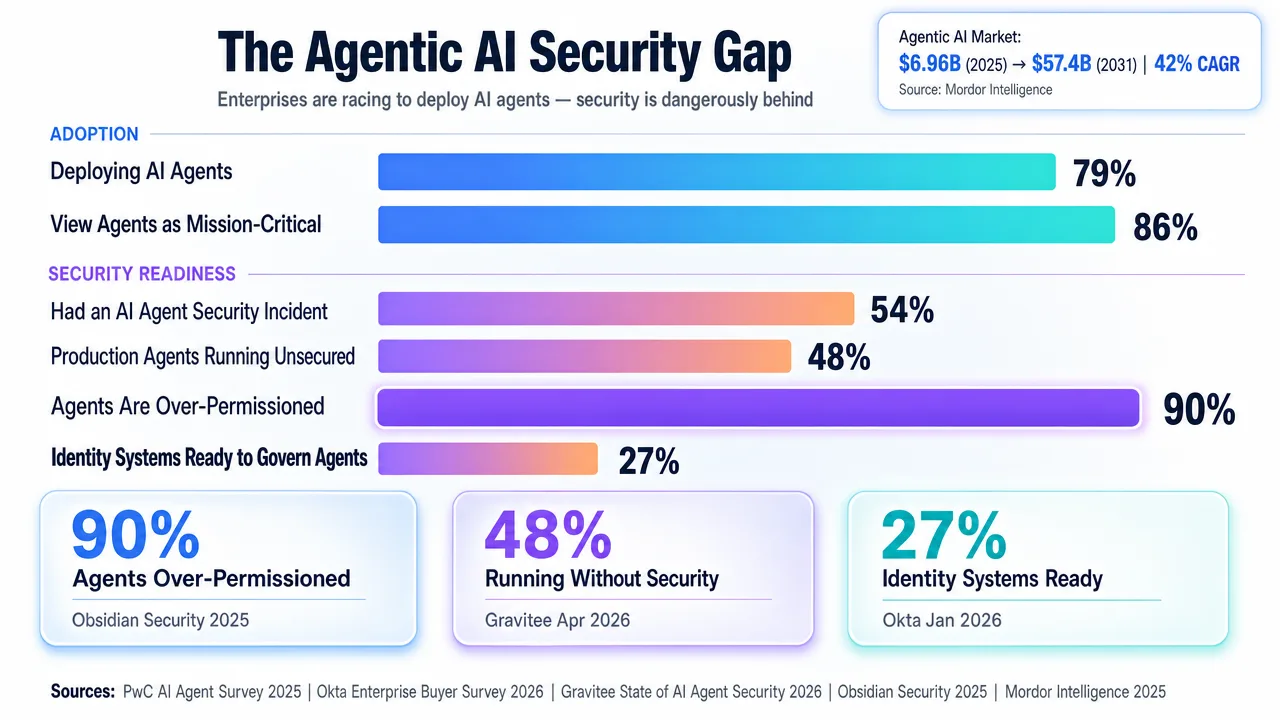
From what I’ve seen, while the big models still grab most attention, the real infrastructure build-out has moved to what people are calling Agentic AI. These systems reason, plan, and call APIs to get things done. Cloud providers and open-source tools are rolling out orchestration platforms quickly, but a glaring security shortfall is pushing everyone to add strict identity gates before agents handle anything important.
Tech leaders like Google with Vertex AI and Microsoft through Copilot Studio, along with frameworks such as LangChain and OpenAI’s tools, have laid down the basics for building these agents. At the same time, security outfits like Token are bringing in biometric checks that require a human to physically approve high-stakes moves before an agent proceeds.
The timing matters because we are no longer just chatting with models. These agents now write to live databases, kick off transactions, and push code changes. Skip solid authorization layers (beyond simple API keys) and add verified human-in-the-loop checkpoints, and regulated companies will face real operational risks they cannot afford.
CISOs, architects, and engineering leads feel this most. Their job has expanded from locking down prompts to building proper Role-Based Access Control and data protection rules for what are essentially digital workers operating on their own.
One angle that does not get enough notice: the biggest obstacle is not smarter reasoning or bigger context windows. It is Agentic Zero Trust. Too many teams still underestimate how much multi-factor approval, solid audit logs, and strict cost controls tied to tool permissions actually matter.
Deep Dive
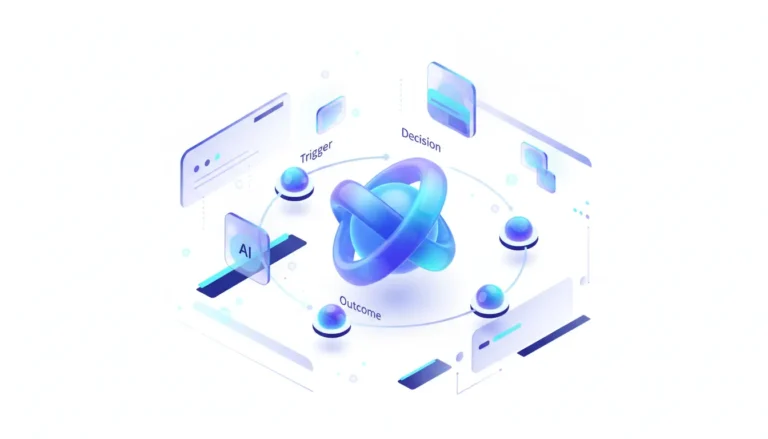
Not long ago, ideas about algorithmic agents sat mostly in academic papers, complete with talk of partially observable environments and PEAS formulations. Now those concepts run straight into real enterprise systems. LangChain’s ReAct setups and OpenAI’s Assistants API let developers connect LLMs directly to internal tools. The agents plan steps, pull data through RAG, and hit company APIs. Once they move from answering questions to taking actions, though, governance becomes the central issue.
Builders and buyers see this differently. NVIDIA and LangChain push hard on raw autonomy and faster tool execution. Google Cloud, IBM, and Microsoft, by contrast, focus on containment. They highlight IAM controls, data loss prevention, and compliance, essentially treating agents like new employees who need tight oversight because they can act unpredictably.
That gap shows up clearly in day-to-day operations. Plenty of guides explain how to spin up a no-code agent in Zapier, yet far fewer walk through what happens when an agent hallucinates a harmful API call. Leaders want solid testing frameworks and latency limits because an agent stuck in a loop does not just create a bug; it quietly runs up cloud bills.
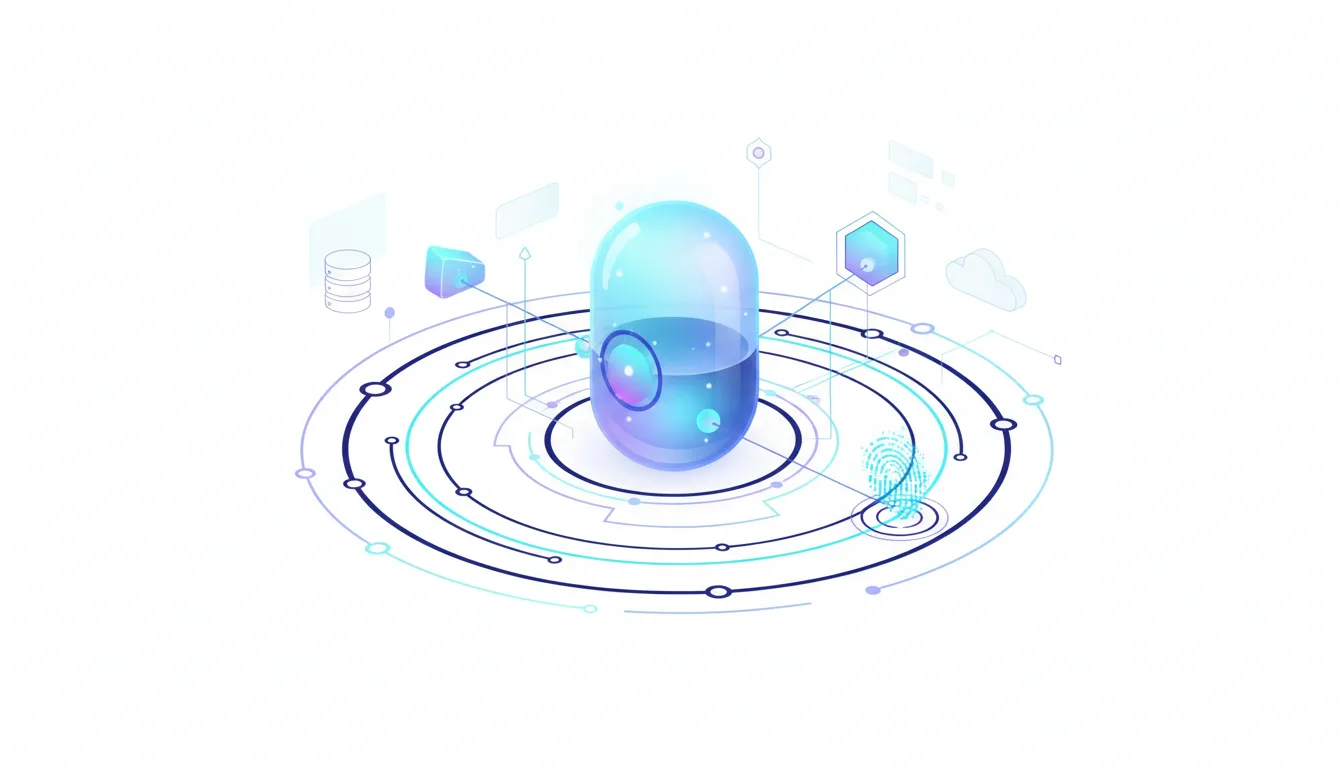
This is why Agentic Zero Trust is gaining traction as essential infrastructure. Early signs include Token’s move to extend biometric identity checks to agent workflows. In finance, healthcare, or defense settings, a system prompt alone will not stop a risky action. The direction is toward cryptographic gates that pause an agent before it sends a large wire transfer or restarts a server cluster, forcing a quick biometric confirmation from a supervisor.
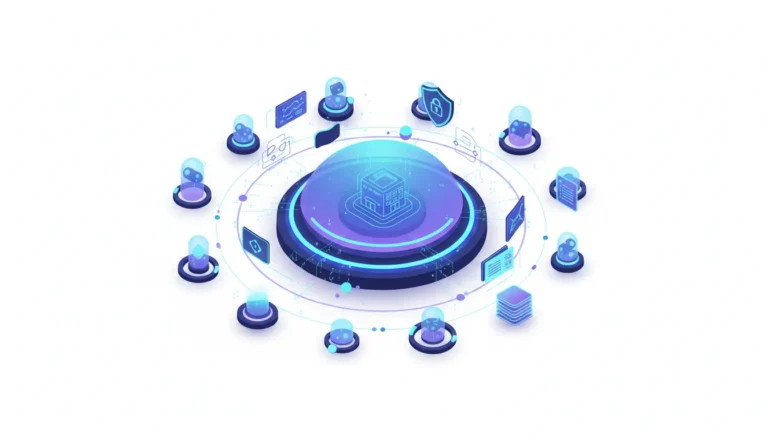
What emerges is an agent control plane. Success here depends on multi-agent setups where planner, executor, and evaluator models cross-check one another before anything touches production. The platforms that pull ahead will not simply field the strongest model; they will offer the cleanest, most auditable ways to intervene when needed.
Stakeholders & Impact
| Stakeholder / Aspect | Impact | Insight |
|---|---|---|
| AI / LLM Providers | High | Models must deliver reliable structured tool calls and know when to stop for human review. |
| Enterprise IT & CISOs | High | New IAM designs are required to handle non-human identities alongside biometric approvals and live monitoring. |
| Cloud & Infra Platforms | Medium–High | Orchestration, policy controls, and trace logging turn into high-value managed services. |
| Regulators & Compliance | Significant | Liability rules need clearer mapping, which increases demand for complete, standards-compliant audit trails. |
About the analysis
Researched and written with AI assistance under the editorial responsibility of the i10X News team. The title image is an AI-generated illustration. Read our AI Use Policy. Spotted an error? Request a correction.
This independent review draws on vendor docs, developer frameworks, and recent security developments in the agent space. It is aimed at CTOs, CISOs, and engineering leads who need practical ways to close the gap between open capabilities and governed production use.
i10x Perspective
To run autonomous AI at scale, we have to strengthen the ways we keep humans in control. Future infrastructure wins will center less on raw speed and more on what you might call the Agentic Identity Network: policy engines, cost guardrails, and explicit biometric checkpoints working together. Over time, advantage will go to platforms that can show regulators exactly why any given agent action was allowed, not just to those offering the most independent agents.