Quick Take
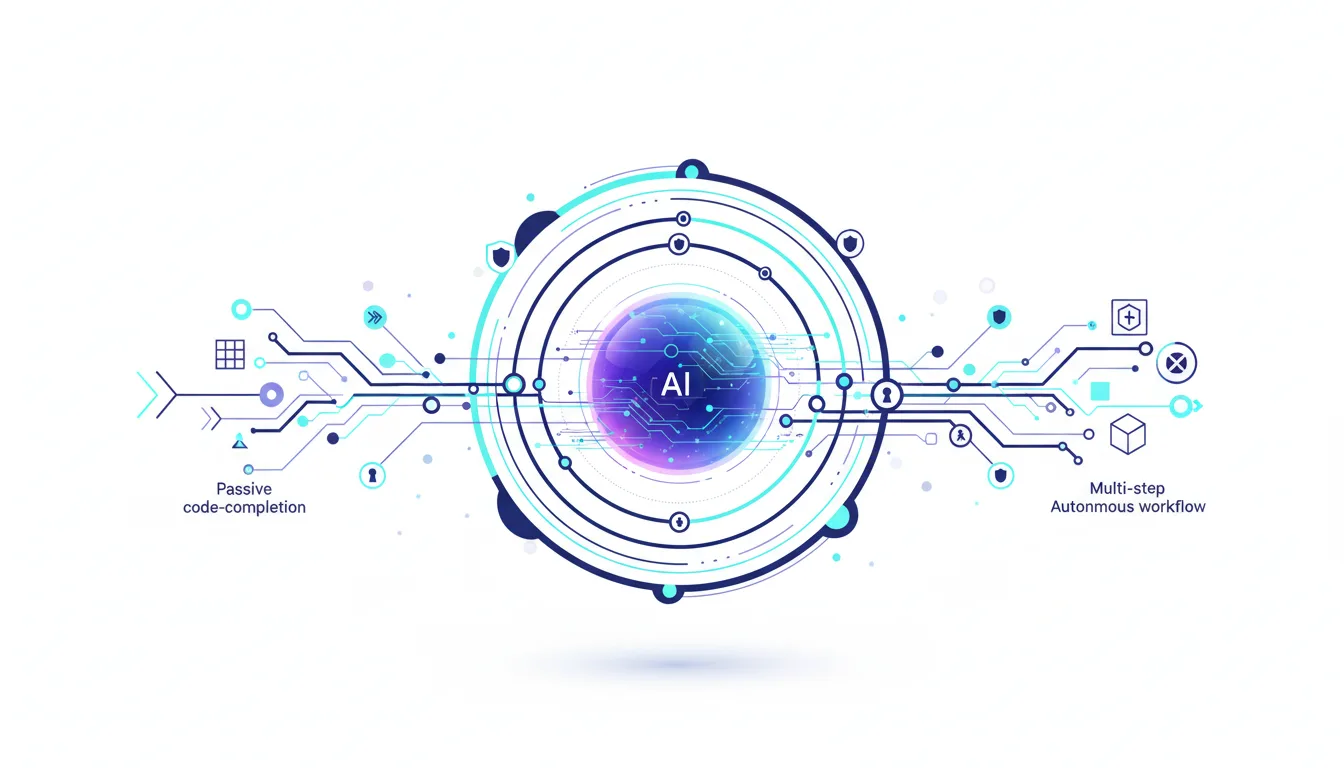
Summary: The AI coding market is undergoing a structural shift from passive code-completion tools to autonomous agents capable of planning, executing, and debugging complex software tasks end-to-end.
What happened: A new class of AI systems—led by closed platforms like Devin and GitHub Copilot Workspace, alongside open-source equivalents like OpenDevin and SWE-agent—is being granted direct access to developer tools, terminals, and repositories to act as autonomous software engineers.
Why it matters now: This transition fundamentally alters the compute profile of AI development, shifting demand from localized inference (single-prompt autocomplete) to continuous, stateful agentic loops that require robust backend orchestration, sandboxing, and extended context windows.
Who is most affected: Engineering leaders, platform teams, and DevOps architects are on the front lines, forced to choose between locked-in enterprise ecosystems and building bespoke open-source workflows, while security teams face entirely new threat vectors.
The under-reported angle: As agents gain read/write access to environments, the massive risk of accidental credential leakage and prompt injection is being largely ignored; enterprise adoption will stall until secure credential brokering and Human-in-the-Loop (HITL) guardrails are standardized.
Deep Dive
Have you ever watched a tool move from helpful sidekick to something that could, in theory, run the whole project? The era of the “copilot” is quietly giving way to the era of the “coworker.” Tools like the original GitHub Copilot worked mainly as sophisticated autocomplete, but a new wave of autonomous AI software engineers is trying to own the entire development lifecycle. Platforms like Cognition’s Devin and GitHub’s Copilot Workspace are setting a high bar for what productized agentic workflows can deliver. Instead of just writing a function, these systems break down a GitHub issue, explore the codebase, map out a multi-step fix, spin up a secure environment, run the code, and handle tests. It’s a real leap from stateless code generation to stateful, autonomous problem solving—and that shift is already changing how AI infrastructure gets built.
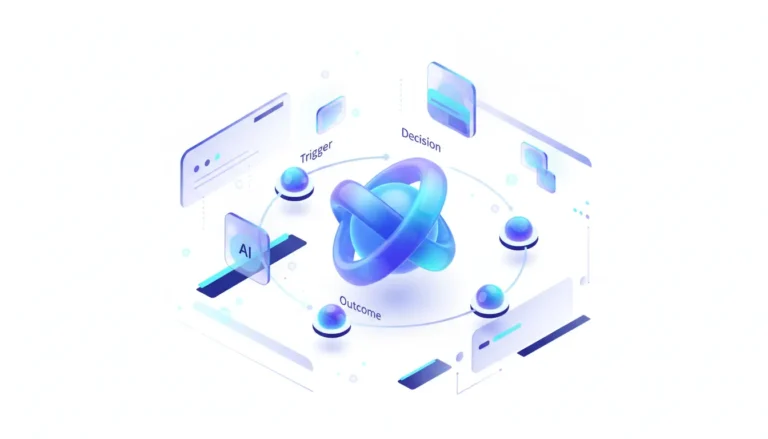
From what I’ve seen, a sharp “build vs. buy” tension is playing out beneath the product announcements. One side offers turnkey, closed-ecosystem agents. The other features a fast-maturing open-source set of options for teams that prefer to control their own orchestration. Projects like OpenDevin and SWE-agent are opening up the autonomous loop, backed by solid benchmarks on datasets like SWE-bench. At the same time, frameworks like LangGraph are steering things away from fragile, linear prompt chains toward more reliable, graph-based agent orchestration. These stateful, multi-actor graphs let engineers add persistence, memory, and essential Human-in-the-Loop (HITL) approval points—showing that control and visibility matter as much as the underlying model’s smarts.
That said, handing an LLM real agency inside a terminal triggers an immediate infrastructure and security headache. Security researchers have started flagging how easily autonomous agents can leak secrets, API keys, or environment variables through prompt stuffing or telemetry slips. An agent digging through a repository for context might pull hardcoded credentials and send them off to a third-party model provider—or get tripped up by prompt injections tucked into external dependencies. Much of the current conversation stays fixated on flashy demos, yet enterprise-grade deployment will need an entirely new security layer: brokered credential vaults, tight egress rules, and ongoing secrets scanning.
Ultimately, rolling out these agents is more than a software upgrade; it’s a compute and infrastructure scaling moment. One developer prompt can now set off a chain of LLM calls—planning with reasoning models, executing via tool calls, and validating through tests and re-prompts on failure. That pattern pushes up inference volume and moves the bottleneck from model training to runtime sandbox orchestration. For the AI industry, the real contest isn’t solely about who fields the smartest model (o3, Claude 3.5, or DeepSeek-Coder), but who can offer the safest, most economical execution environment where those models can operate securely.
Stakeholders & Impact
| Stakeholder / Aspect | Impact | Insight |
|---|---|---|
| AI / LLM Providers | High | Agentic loops drive massive increases in continuous inference volume and require specialized models optimized for tool calling and ReAct paradigms. |
| Platform & Security Teams | High | Must architect new execution sandboxes, implement least-privilege identity access for agents, and build guardrails against prompt-driven secret leaks. |
| Developers & SWEs | Medium–High | Shifting from writing boilerplate to orchestrating, reviewing, and defining scopes for autonomous agents; the rise of “Developer-in-the-loop”. |
| Enterprise CTOs | Significant | Forced to evaluate the TCO of agents (compute costs vs. engineering hours saved) and navigate complex data privacy and compliance (SOC2) hurdles. |
About the analysis
Researched and written with AI assistance under the editorial responsibility of the i10X News team. The title image is an AI-generated illustration. Read our AI Use Policy. Spotted an error? Request a correction.
This independent, research-based analysis pulls together current market signals, open-source documentation (including LangChain and GitHub), and emerging security threat models around autonomous development tools. It is meant for CTOs, platform engineers, and AI infrastructure builders who are working through the move from basic code assistants to stateful, agentic workflows.
i10x Perspective
The rise of AI coding agents marks a clear shift in value from raw model intelligence toward orchestration and sandbox infrastructure. As foundational models that can clear SWE-bench start to commoditize, the real competitive edge will sit with platforms that master Agent Reliability Engineering (ARE)—delivering secure, auditable, and governable environments for agents to work in. Over the next five years, AI development is likely to collide with zero-trust security practices. The most valuable AI startups may not be the ones building new coders, but the ones supplying the firewalls, vault brokers, and graph-based supervisors that keep those coders from creating unintended problems inside the enterprise.