Quick Take
AI coding agents are moving fast from tidy lab demos into real repositories. The pitch is autonomous, end-to-end development. Yet the rollout is already bumping into the messy realities of open-source maintenance and enterprise security.
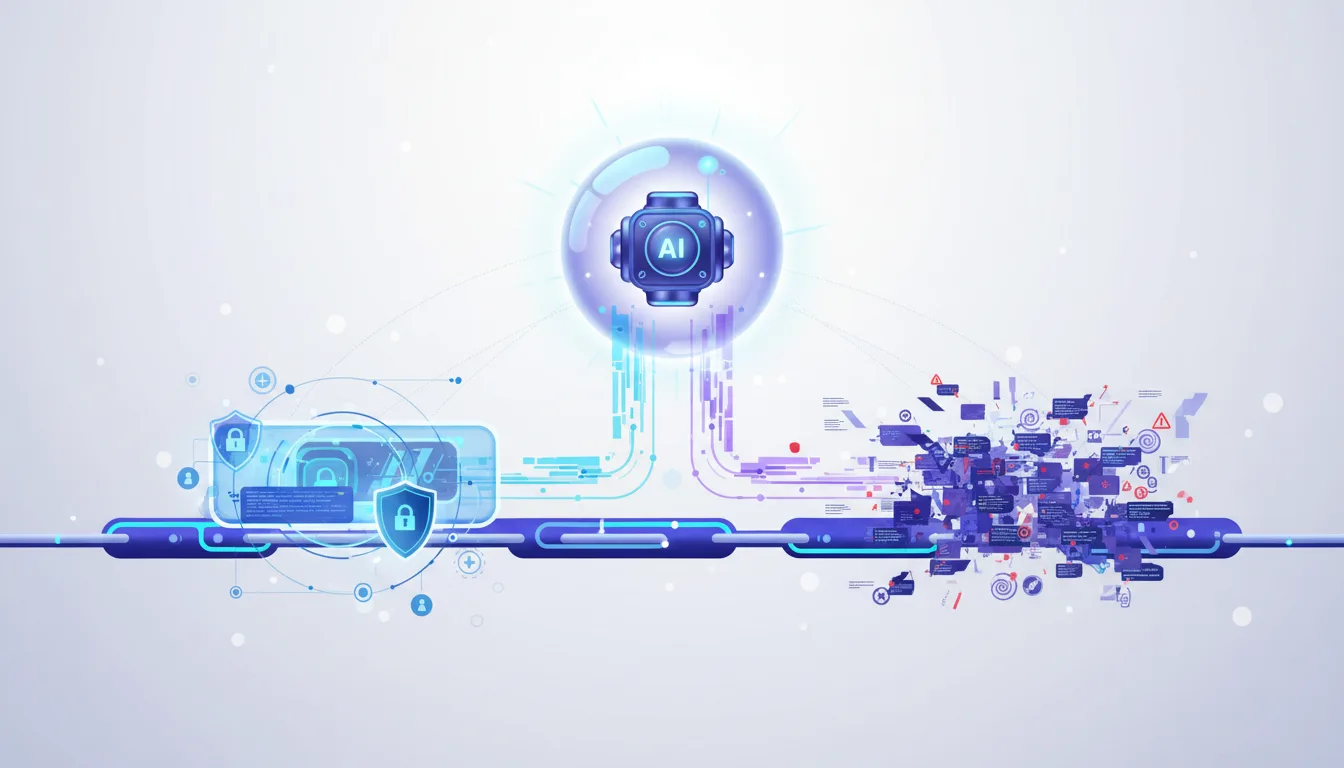
The industry is betting hard on tools like Devin and SWE-agent that can plan, write code, and open pull requests on their own. At the same time, that leap is exposing a governance gap: unvetted AI output is starting to flood shared ecosystems, and companies are scrambling to contain it.
While researchers chase SWE-bench scores, Linux kernel maintainers have begun dropping legacy drivers simply to escape a flood of low-quality, AI-generated patches and reports. On the enterprise side, platforms are racing to add sandboxes and audit trails so these agents can operate without breaking things.
We are shifting from AI that finishes your sentences to AI that finishes your tasks. Once agents can submit code independently, the real constraint moves from writing to reviewing. That changes the economics around compute, developer time, and CI/CD pipelines more than most forecasts admit.
Open-source maintainers feel it first. Enterprise engineering leads are next, trying to stand up safe environments. And the model builders themselves still have to solve planning loops that stall and environments that drift.
The quieter cost is not inference. It is the human review tax that follows every agent output. Right now the market is light on machine-to-machine provenance and clear failure taxonomies that would let teams know who (or what) produced a change and whether it is safe to merge.
Deep Dive
The story around these agents is splitting into two tracks. One is the familiar demo reel: Devin positioning itself as the first AI software engineer, SWE-agent from Princeton showing it can browse, run shell commands, and close GitHub issues without hand-holding. For a CTO staring at a backlog, the idea of clearing toil at a fraction of the usual cost is hard to ignore.
Outside the slides, the picture is less tidy. Linux kernel maintainers have started retiring older drivers, the Moxa driver among them, because the volume of AI-hallucinated bug reports and patches has become unmanageable. Without clear signals about origin, the agents stop acting like helpful juniors and start acting like background noise that drains attention.
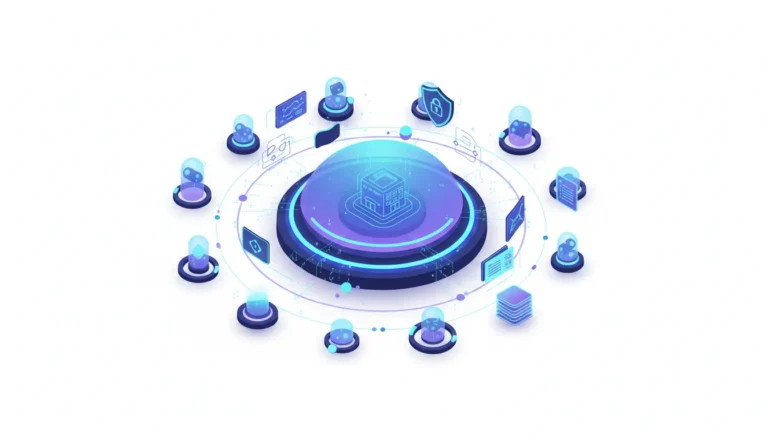
Enterprise platforms have noticed. Sourcegraph and others are adding Cody Agents with RBAC, immutable logs, and required human review before anything lands. The discussion has moved past benchmark numbers toward supply-chain rules (SLSA compliance, data-privacy gates) that actually survive an audit.
What is still missing is a shared way to describe where agents go wrong and a test harness that goes beyond SWE-bench. When they fail, they usually loop in dead-end plans or lose track of the environment. Projects like OpenDevin are trying to fix that by giving agents containerized, repeatable setups so the exact point of hallucination can be traced.
At root, the race is exposing a mismatch. We are dropping probabilistic models into pipelines built on determinism. The next layer of infrastructure will need to handle automated red-teaming, SBOM checks, and policy enforcement that catches agent mistakes before they reach production.
Stakeholders & Impact
| Stakeholder / Aspect | Impact | Insight |
|---|---|---|
| AI / LLM Providers | High | Intense pressure to optimize models for long-context tool use, deterministic planning, and agentic reasoning to improve real-world reliability. |
| Enterprise DevEx & Security | High | Forced to overhaul CI/CD pipelines to accommodate AI agents, requiring new RBAC, audit trails, and strict human review gates. |
| OSS Maintainers | Critical | Facing an unsustainable influx of AI-generated noise; driving a need for strict AI-assisted contribution policies and cryptographic provenance. |
| Software Engineers | Medium–High | Shifting from writing boilerplate to acting as high-level reviewers and orchestrators of agent swarms. |
About the analysis
Researched and written with AI assistance under the editorial responsibility of the i10X News team. The title image is an AI-generated illustration. Read our AI Use Policy. Spotted an error? Request a correction.
This independent i10x analysis draws on proprietary agent releases, academic benchmarks such as SWE-bench, enterprise DevEx platforms, and direct reports from open-source maintainers. It is written for CTOs, engineering leaders, and infrastructure teams managing the move from copilots to autonomous agents.
i10x Perspective
The friction between autonomous agents and open-source infrastructure is an early signal of how agentic systems will affect the wider economy. The era of “move fast and break things” is ending for these models. Once agents gain write access to critical systems, the demand for verifiable trust and enforceable guardrails will rise sharply. Over the next five years, the companies that matter most in this space may not be the ones with the flashiest standalone agents, but the ones that build the trust layer: automated QA, provenance tracking, and sandboxing that make autonomous code safe to ship.