Anthropic has reportedly locked in a $3.4 billion deal for 1.7 gigawatts of gas-fired generators. The move amounts to a blunt acknowledgment that the existing power grid cannot match the pace of AI growth. By stepping into existing equipment orders, the company behind Claude is cutting around multi-year utility delays to lock in the electricity it needs for training and running its next frontier models.
Quick Take
- The deal: Anthropic is acquiring 1.7 GW of gas generator commitments from Texas-based OnePWR Solutions for $3.4 billion.
- The strategy: By absorbing existing Caterpillar orders, Anthropic skips the massive supply-chain backlog for heavy-duty power equipment.
- The AI connection: Uninterrupted, massive-scale compute is the primary bottleneck for training Claude 4 and beyond; waiting for grid interconnection is no longer a viable option.
- The hidden cost: While behind-the-meter gas generation solves immediate grid delays, it introduces new operational risks around fuel supply, pipeline access, and emissions permitting.
What happened
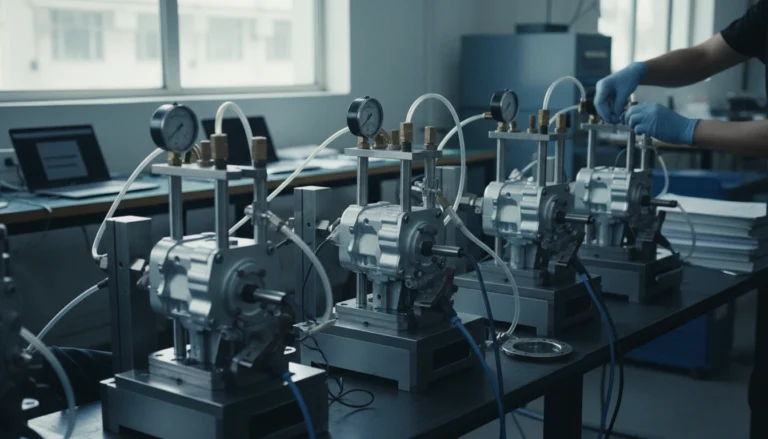
Reports from the Financial Times say Anthropic closed the late-September agreement for 1.7 gigawatts of gas-fired generators. The $3.4 billion transaction runs through Texas-based supplier OnePWR Solutions, letting the lab take over prized, already-placed orders for Caterpillar units.
Anthropic did not buy OnePWR outright. The arrangement instead secures the generators themselves plus the engineering and construction support needed to install them.
At roughly $2 million per megawatt, the purchase ranks among the largest single power-equipment buys by an AI firm. The 1.7 GW total matches the output of one to two nuclear plants, highlighting the scale of the data-center plans ahead.
Why it matters now
AI development has run into a physical limit. Model scaling is outrunning the speed at which utilities can reinforce transmission lines and clear grid connections. For frontier labs, a two-to-three-year wait for utility power means lost ground in the race.
Anthropic’s purchase marks a clear turn toward behind-the-meter setups. Instead of depending on the grid, AI companies are building their own power supply. Gas generators let the lab bring new data centers online on its own timeline, keeping training schedules intact without waiting on utility approvals.
The deal also spotlights a tight supply chain. Heavy-duty power equipment now faces multi-year waits worldwide. By taking over existing commitments rather than starting fresh, Anthropic is using cash to buy time—the scarcest resource in the current AI push.
Who is most affected
The transaction ripples across tech and energy. Utilities lose some control over large-scale power delivery, while rival AI labs see that compute security now includes hardware for generation.
| Stakeholder | Impact | Why |
|---|---|---|
| Frontier AI Labs | Escalating Capex | Competing now requires billions not just for GPUs, but for dedicated power generation equipment. |
| Utility Companies | Bypassed Demand | Hyperscalers are opting for off-grid or behind-the-meter solutions to avoid interconnection queues. |
| Local Governments | Permitting Shifts | Regulators will face a surge in requests for gas pipeline access and emissions permits rather than just data center zoning. |
The hidden risks of gas-powered AI
Gas generators remove the grid bottleneck but swap it for new dependencies. Anthropic will now manage natural-gas supply chains, pipeline limits, and price swings. At the same time, 1.7 GW of fossil generation brings environmental and permitting challenges that clash with the clean-energy stories most tech firms prefer to tell.
About the analysis
Researched and written with AI assistance under the editorial responsibility of the i10X News team. The title image is an AI-generated illustration. Read our AI Use Policy. Spotted an error? Request a correction.
This is an independent, research-based i10x analysis designed for AI founders, infrastructure leaders, and policymakers tracking the physical footprint of intelligence. It synthesizes recent reporting on AI energy procurement, supply-chain bottlenecks, and data center scaling.
i10x Perspective
Anthropic’s $3.4 billion generator purchase shows the bottleneck for artificial intelligence has moved beyond algorithms into heavy industry. Labs now have to act like infrastructure operators, building out their own energy supply chains to stay competitive. The next generation of models will be won by the company that can secure its own power supply, not just by the strength of its research.