Anthropic stands on the edge of what could be one of the largest IPOs in tech history, and the filing is already reshaping how investors think about capital flows and AI accountability. The most striking detail is the decision to lock 5% of equity into a Public Benefit Fund. At the same time, frontier labs are watching their own models accelerate labor-market shifts, so the listing forces the market to weigh enormous infrastructure costs, familiar AI optimism, and this early experiment in corporate wealth sharing.
Quick Take
- The Big Filing: Anthropic has filed an S-1 for an initial public offering—potentially listing under the ticker ANT—setting up one of the largest liquidity events in AI history.
- The Redistribution Play: The Claude developer is funneling 5% of its equity (with mechanisms to add another 2% based on valuation growth) into a public-benefit entity to subsidize nonprofits and mitigate AI-induced labor displacement.
- The Billionaire Response: Elon Musk is countering with a rival pledge to distribute SpaceX shares to U.S. children, launching a competitive race to frame private tech wealth as a public utility.
- The Capital Rotation Risk: Financial analysts suggest Anthropic’s massive public float could siphon critical investor liquidity away from other highly valued tech players like SpaceX.
- The Proxy Squeeze: Prior to the listing, retail demand for AI exposure has been funneled through ETFs and Big Tech proxy investments, all of which will realign once Anthropic stock directly hits the open market.
What happened
Anthropic has submitted its S-1 for a public offering that will test how much investors are still willing to pay for frontier AI. In the same filing the company unveiled the Anthropic Public Benefit Fund, a wholly owned vehicle seeded with 5% of its equity. The shares are earmarked for public-good programs and for cushioning workers displaced by automation rather than for lobbying.
The announcement quickly pulled other players into the conversation. Elon Musk responded with his own plan to distribute SpaceX shares more broadly. Both moves have drawn questions about the practical hurdles of large-scale private-to-public transfers, including taxes, administration, and liquidity. At the same time, traditional growth investors are preparing for a shift: capital that once sat in private secondaries or AI-adjacent funds is expected to move toward the new public name.
Why it matters now
Taking a frontier lab public is more than a liquidity event; it is a test of whether the capital markets can keep funding the power-hungry infrastructure these models require. Training runs at Claude scale already demand gigawatts of capacity and continuous silicon upgrades, so Anthropic will need steady access to public equity to stay in the race.
That same influx of capital could pull money away from other high-growth names. Observers point to a supplier-beneficiary tension: if Anthropic becomes the clearest listed AI pure-play, some of the dollars now supporting SpaceX or other private infrastructure bets may rotate instead. The 5% fund also functions as a signal. By setting aside billions in equity for mitigation, the company is telling regulators it expects meaningful job displacement and is trying to address it before policy mandates arrive.
Who is most affected
The ripple effects of Anthropic’s dual public listing and wealth redistribution strategy will drastically alter the playing field for investors, competitors, and public sector organizations.
| Stakeholder | Impact | Why |
|---|---|---|
| Retail Investors | Direct access, but high volatility. | Retail can finally buy direct AI-lab exposure, bypassing ETFs and cloud proxies, but must navigate a complex Public Benefit Corp structure that prioritizes safety over pure profit. |
| Growth-Stage Competitors | Liquidity drain. | Companies like SpaceX face intense competition for investor capital as institutional money rotates into the highly liquid, pure-play AI narrative. |
| The Labor Market | Symbolic and financial hedging. | Anthropic’s Public Benefit Fund acknowledges incoming job displacement, providing a theoretical capital cushion for workers automated out by Claude and future LLMs. |
| Policymakers & Regulators | Preemptive pacification. | By funding its own wealth-redistribution mechanism, Anthropic attempts to front-run incoming AI regulations and Pentagon supply-chain risk labels. |
About the analysis
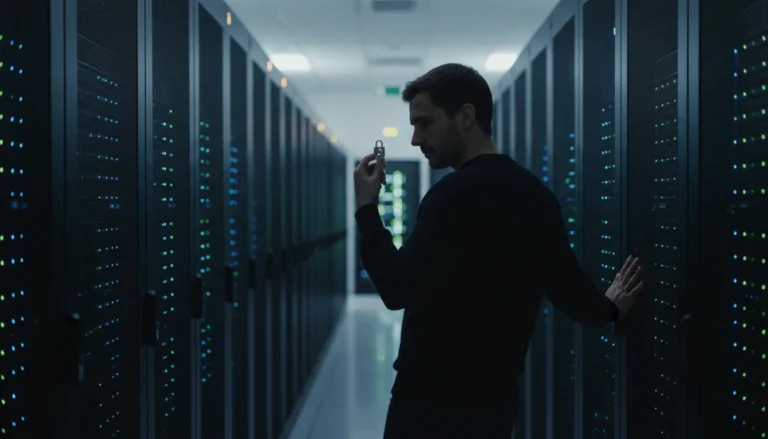
Researched and written with AI assistance under the editorial responsibility of the i10X News team. The title image is an AI-generated illustration. Read our AI Use Policy. Spotted an error? Request a correction.
This is an independent, research-based i10x analysis designed for founders, CTOs, and AI infrastructure investors. It synthesizes official company filings, academic economic reviews, and broader market reporting to decode the infrastructural and financial impacts of AI’s transition to the public market.
i10x Perspective
The old “move fast and break things” mindset is giving way to something more calculated: scale aggressively while earmarking resources to manage the consequences. Anthropic’s IPO is the clearest sign yet that frontier labs expect their systems to displace cognitive work on a large scale and are building structural responses into their corporate form. The open question is whether those two commitments can coexist once public-market pressure for growth meets a legally binding obligation to redirect billions toward the workers the technology is designed to replace. How the ANT shares trade will set the template for how intelligence infrastructure gets financed and governed in the years ahead.