Book Scanning and AI: How Physical Books Feed LLM Training
Overview
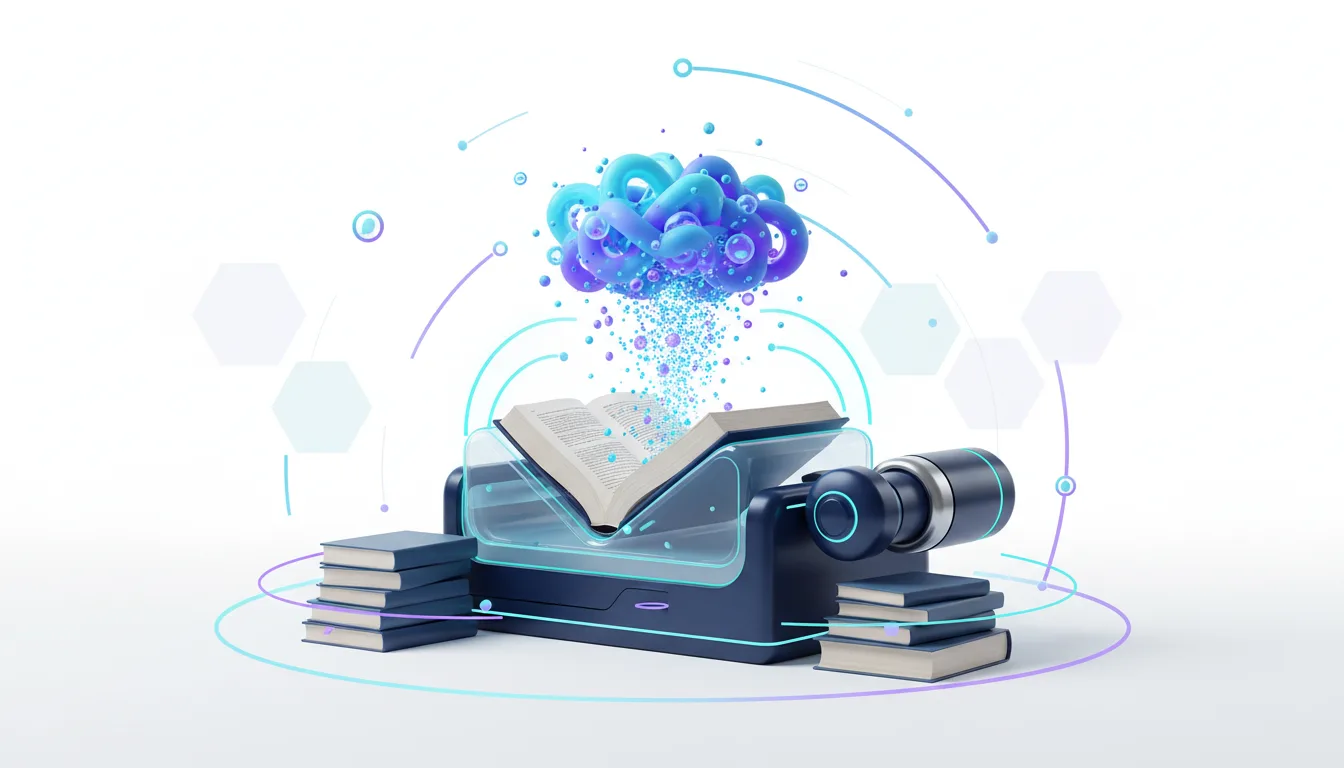
Book scanning isn’t just about preserving old library collections or helping students cut costs on textbooks. These days, with large language models everywhere, the physical page has turned into the last solid source of high-quality, human-generated training data. That shift has quietly made the book scanner into key infrastructure for pulling tokens at scale.
Summary
The digital conversation around book scanning has moved from simple how-to guides for personal archiving toward something more intense. AI companies are now eyeing physical books as raw material for training the next wave of LLMs, and the market is adjusting fast.
What happened
Search results still lean heavily on DIY V-cradle projects, Adobe Acrobat OCR walkthroughs, and low-cost services like 1DollarScan. Yet a different reality is taking shape. Recent reports, including checks from Snopes, have started looking into whether AI teams are buying up books (sometimes rare ones) and scanning them in bulk, often destructively, to get clean training data.
Why it matters now
The AI field is running into a data wall, where the easy, high-grade text from the open web is running thin. Books offer something different: long stretches of coherent, structured reasoning. How those books get turned into data (quick destructive guillotine scans versus slower, gentler optical work) changes how fast labs can grow their private datasets.
Who is most affected
AI data teams and LLM builders are driving the demand. Publishers, authors, and legal groups are left sorting through the copyright questions that come with turning physical copies into model weights. Archivists and conservators, meanwhile, are weighing preservation duties against the pull of well-funded scanning operations.
The under-reported angle
Most advice still targets individual users and overlooks the bigger gap: there are almost no shared standards for how AI-scale ingestion should handle consent, licensing, or the environmental side of things. What started as a hobbyist workflow is scaling into corporate data operations without much oversight.
🧠 Deep Dive
For years, talk of book scanning split into two camps: people focused on careful archival work and others chasing quick digital access. Results pointed to open-source plans from DIY Book Scanner or services that slice spines for speed. But something larger is underway. Book scanning is shifting into a supply operation for the AI stack.
The core issue is token quality. Models from labs like OpenAI, Google, and Anthropic need extended passages that hold logical threads together, and books remain one of the richest sources. Turning ink on paper into the 98%+ accurate text required for pre-training means solving dewarping, running strong OCR (Tesseract or ABBYY), and tagging metadata properly. The scanner itself is only the starting point in a much larger pipeline.
This push for volume is widening the split between destructive and non-destructive approaches. Museums and libraries stick with slow V-cradles to keep originals intact, while the race for data favors fast, spine-cutting methods. Reports have picked up on AI groups purchasing and shredding books, including out-of-print titles, to feed training runs. Once the file becomes training weights, the physical copy is often gone, which leaves preservation questions that current practices have not fully settled.
Legal ground is still unsettled too. Google Books fought over fair use for snippets; today’s ingestion skips display entirely and goes straight to pattern extraction. Coverage online tends to give piecemeal tips on personal backups by country, yet it offers little guidance on consent frameworks for commercial training use.
In the end, improvements in scanning (robotic page turners, better glare handling, curvature fixes) are now aimed at feeding high-speed data flows for AI rather than just creating readable PDFs. Standards like FADGI or ISO 19264 are running into the scramble for training material, and the book scanner is moving from a routine office tool to a contested piece of larger infrastructure.
📊 Stakeholders & Impact
AI / LLM Providers
Impact: High. Physical books offer the dense, high-quality reasoning tokens needed to overcome the impending “data wall” of the internet.
Digitization Vendors
Impact: High. Rapid shift from consumer archiving to B2B bulk ingestion; increased demand for high-speed destructive scanning pipelines.
Authors & Publishers
Impact: High. Facing a new vector of copyright vulnerability as physical purchases are legally (or illegally) converted into model weights.
Archivists & Conservators
Impact: Significant. Forced to defend preservation ethics against the highly lucrative, destructive data-mining practices emerging in the tech sector.
✍️ About the analysis
Researched and written with AI assistance under the editorial responsibility of the i10X News team. The title image is an AI-generated illustration. Read our AI Use Policy. Spotted an error? Request a correction.
This independent review pulls together current search patterns, content approaches from competitors, and gaps in how digitization is discussed. It is meant for engineers and legal teams working on data pipelines who need a clear picture of how physical media is feeding into LLM training.
🔭 i10x Perspective
The physical world still holds the last big reservoir of untouched text. As the web fills with synthetic output, the human-written content inside printed books will carry real value. Over the next several years, destructive scanning looks set to move toward larger corporate setups, likely alongside legal fights over turning owned books into training data. The organizations that sort out defensible, high-volume pipelines will hold a quiet but sizable edge in the broader AI race.