UK actors are set to get their first collective protections over AI “digital replicas.” On 16 November 2026, the performers’ union Equity announced a new three-year agreement with producers’ body Pact that requires actors’ consent for each project before their digital replica is used, and payment when it is. Almost 8,000 Equity members are now voting on the deal, with the ballot closing at noon on 30 November.
Quick Take
- Consent per project: producers get permission only for a specific project, not “blanket consent” to an actor’s digital replica.
- Payment: performers have the right to be paid when their digital replica is used.
- Nudity scenes: an actor’s approval is required if a digital double or digital alteration makes “substantive changes” to scenes involving agreed nudity or simulated sex.
- Strikes: producers may not use a digital replica during a strike where consent would be required.
- The gap: Equity says the agreement does not include explicit protections against using performances to train AI systems.
In plain English
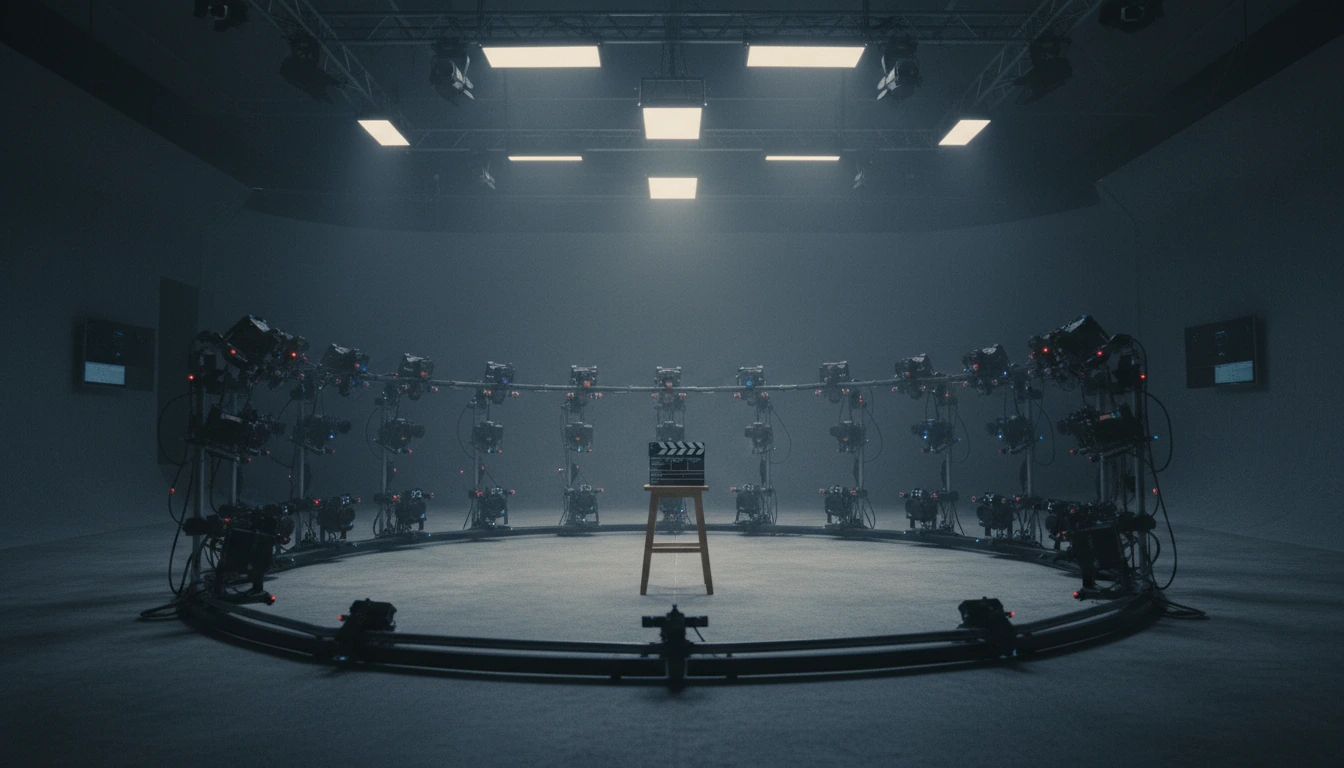
A digital replica is a computer-made copy of an actor’s face, body or voice that can be used in scenes they never filmed. Under this deal, UK film and TV producers will have to ask an actor before using that copy in each new project, and pay them for it. What the deal does not do is stop studios from using actors’ performances to train AI models, which Equity says it could not win.
What happened
Equity called the agreement “the first ever collective AI protections for performers in UK film and television.” The AI terms are part of a wider offer covering pay, use fees and working conditions for featured artists and stunt performers. It includes a 24.1% rise in minimum fees on films with budgets over £50 million over three years, a 9% rise on minimum TV engagement fees, and shorter use periods for streaming that bring secondary payments sooner. The deal would run from January 2027 to 31 December 2029.
“We’ve achieved the best AI provisions in the business, protecting performers and ensuring that human performance is valued and prioritised across the industry,” said Equity general secretary Paul W Fleming.
What’s in the AI provisions
According to The Guardian’s reporting on Equity’s note to members, producers must limit access to digital replicas to people with a legitimate business need and “use commercially reasonable efforts” to protect them from unauthorised access, use or copying. Equity told members that replicas can be made from the footage shot for the production itself, without a dedicated body scan.
Equity said there were areas the deal could not cover, such as digital scanning traditionally done for visual effects added later. It also said that “despite our efforts,” the agreement does not set explicit contract protections on using actors’ performances to train AI.
Background
Equity members voted 99% in favour of industrial action and refusing to be scanned on set, in an indicative ballot in December 2025. Concerns had been growing that body scans taken on set could end up training AI models on actors’ likenesses and movements. The deal follows the AI protections Hollywood actors won after the 2023 SAG-AFTRA strike, and arrives as generative video tools such as Google DeepMind’s Genie 4 world model make realistic synthetic performances easier to produce.
Why it matters
For performers, project-by-project consent and payment are the core protections they asked for, now written into an enforceable industry agreement for the first time in the UK.
For producers and VFX studios, consent tracking and secure storage of replicas become contractual obligations, not just good practice.
For AI video companies, the training gap is the key detail. The deal governs how a replica is used on screen, but not whether performances can feed model training, which remains the next fight.
What’s still open
- Whether Equity members approve the offer when the ballot closes on 30 November.
- How consent and payment rates for replica use will be set in individual contracts.
- Whether training protections will come through law, since the deal does not cover them.
Sources
- Equity, “Equity secures UK-first AI protections for performers,” 16 November 2026
- The Guardian, “Actors in UK to get more rights over their ‘digital replicas’ in deal on AI protections,” 17 November 2026
i10x Perspective
This deal sets the rules for how an actor’s AI double can be used, and that matters. But the bigger economic question, whether today’s performances become tomorrow’s training data, is still open. Expect the next round of negotiations, and possibly UK copyright policy, to focus there. More on AI and media in our Video & Image section.