Summary
Gemini is being woven into Google’s marketing backbone—most notably into Performance Max, AI Overviews, and Workspace—shifting the focus for digital teams from simple prompt tips to rebuilding workflows that generate assets rapidly while retaining brand safety and measurable ROI.
What happened
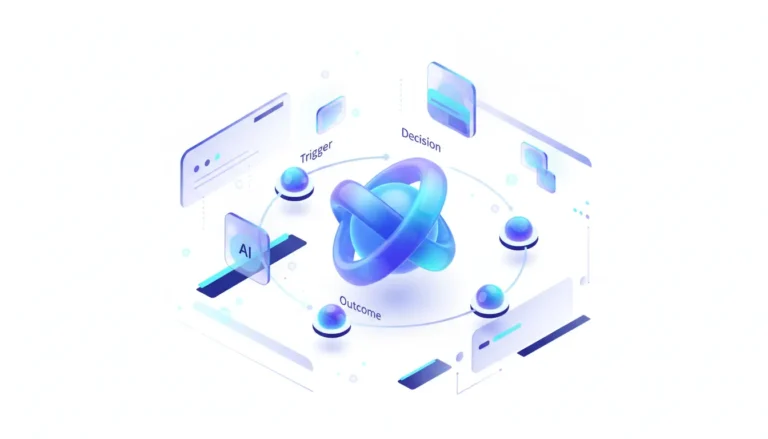
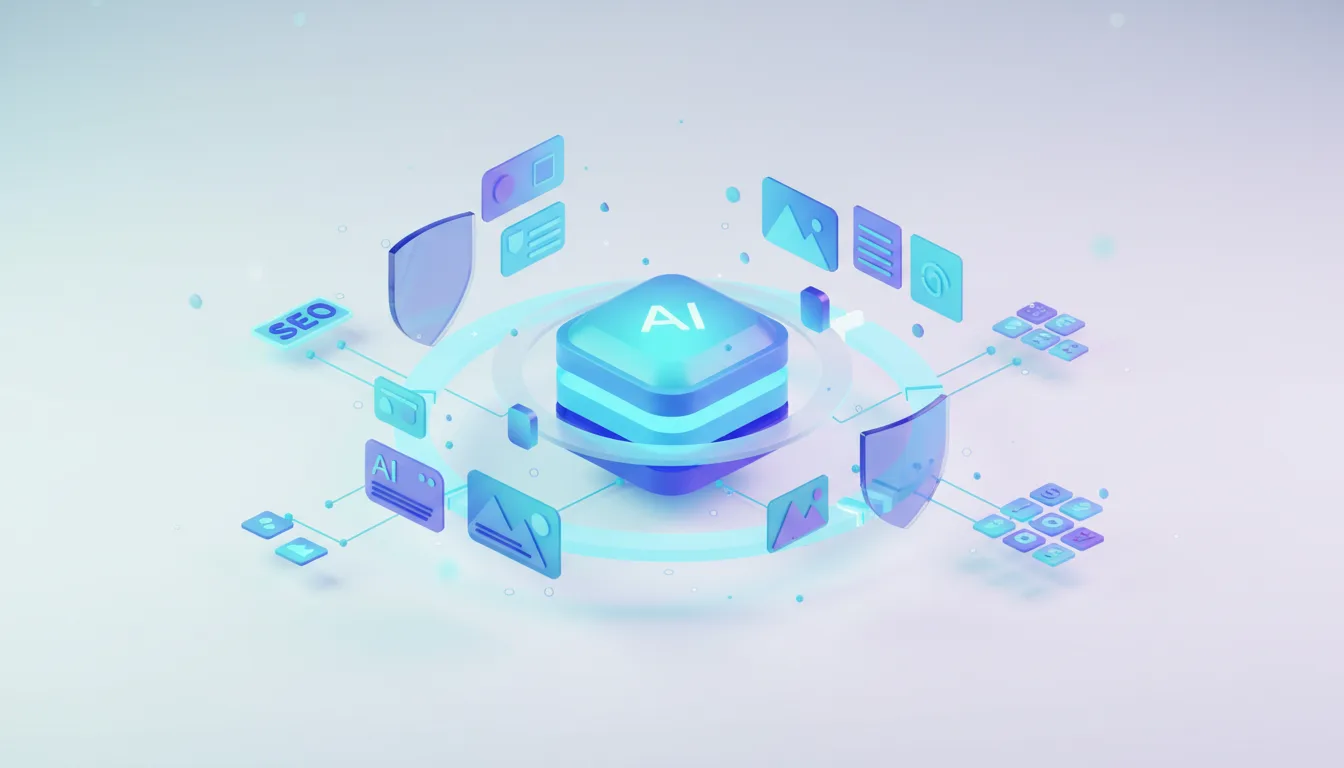
Gemini is no longer sitting off to the side. It’s now baked into the systems that drive Google’s revenue and search results. Recent updates from Google Marketing Live show conversational campaign setup in Ads, on-the-fly image and video creation, and AI Overviews that turn search from a list of links into direct answers.
Why it matters now
The economics of producing creative work are changing fast. Teams can cut campaign build time roughly in half and pump out far more variations, yet that speed exposes gaps in older approval processes. When an LLM can spin up thousands of ad versions through Performance Max in seconds, the value moves to curation, testing, and steering the models themselves.
Who is most affected
CMOs, growth leads, SEO teams, and performance marketers feel it first. Legal and brand compliance groups are suddenly on the hook too—they need fresh governance rules to handle hallucinated claims, copyright questions, and brand-safety slips that can now scale at machine speed.
The under-reported angle
Most articles treat Gemini as a standalone feature. The practical gap is bigger: knowing when to send work to Gemini for its Google integrations, Claude for careful tone work, or GPT-4o for analysis. There’s also a shortage of localized playbooks for places like APAC or South Korea, where search habits and platforms such as Naver call for different controls.
Deep Dive
Have you ever watched a tool go from helpful to foundational almost overnight? That’s what’s happening with Gemini. Industry observers at places like Moz and Search Engine Land are flagging how AI Overviews are rewriting search intent. The focus is shifting from keyword stuffing to entity-rich content and stronger E-E-A-T signals that feed answer engines instead of classic crawlers.
Google’s own materials and tools like HubSpot tend to emphasize quick prompt libraries. Those tips help with day-to-day tasks, but they overlook the deeper change: Gemini is now handling mid-funnel work inside Ads and Performance Max. Marketers can describe a campaign in plain language and get images, scripts, and copy generated together. That removes the old drag of slow launches, yet it creates a new risk—keeping one consistent brand voice when everything moves this quickly.
The gap that’s opening up is around governance and measurement. The hard part isn’t producing the content anymore; it’s building approval steps that actually catch problems before they go live. Without solid QA and style conditioning, teams can end up pushing off-brand or non-compliant assets at a pace that used to be impossible. At the same time, smart stacks are becoming model-agnostic, so architects need clear rules for routing tasks across Gemini, Claude, and GPT-4o. Global campaigns add another layer—South Korea, for example, requires its own cultural tuning and local platform hooks that most U.S.-focused guides simply skip.
Stakeholders & Impact
| Stakeholder / Aspect | Impact | Insight |
|---|---|---|
| Google / AI Providers | High | Folding Gemini into Ads and Workspace builds a distribution advantage that pure-play competitors will struggle to match. |
| SEO & Growth Strategists | High | The job now includes optimizing for AI Overviews, which means heavier use of structured data and entity work. |
| Brand & Creative Leads | Medium–High | Creation is no longer the choke point; review and guardrails are. The premium sits in setting clear brand-voice rules and prompts. |
| Legal & Compliance | Significant | New frameworks are needed fast to manage IP, hallucination, and off-brand messaging risks in automated campaigns. |
About the analysis
Researched and written with AI assistance under the editorial responsibility of the i10X News team. The title image is an AI-generated illustration. Read our AI Use Policy. Spotted an error? Request a correction.
This independent look draws on search trends, real-world AI adoption patterns, and competitive marketing approaches. It’s meant for CMOs, MarTech leads, and growth teams figuring out how these infrastructure shifts affect acquisition and brand control.
i10x Perspective
Gemini’s deep ties to Google’s ad and search systems show where the real money in AI will come from—not standalone subscriptions, but quiet infrastructure that runs everyday workflows. For OpenAI and Anthropic, that built-in reach in marketing is a tough hurdle; having the strongest model matters less if a slightly weaker one is already writing your Performance Max campaigns by default.
Over the next five to ten years, the tension worth watching is between closed automation and the need for marketers to keep real oversight, transparency, and cross-platform safety.