Quick Take
“Google just flipped the switch on Gemini Omni for all paid tier subscribers, signaling a massive push into real-time, low-latency multimodal experiences – and a direct frontal assault on OpenAI’s GPT-4o.”
What happened: Google quietly dropped the news on social channels that Gemini Omni, its natively multimodal model built for fast responses, is now available to every Google AI subscriber on the Plus, Pro, and Ultra plans.
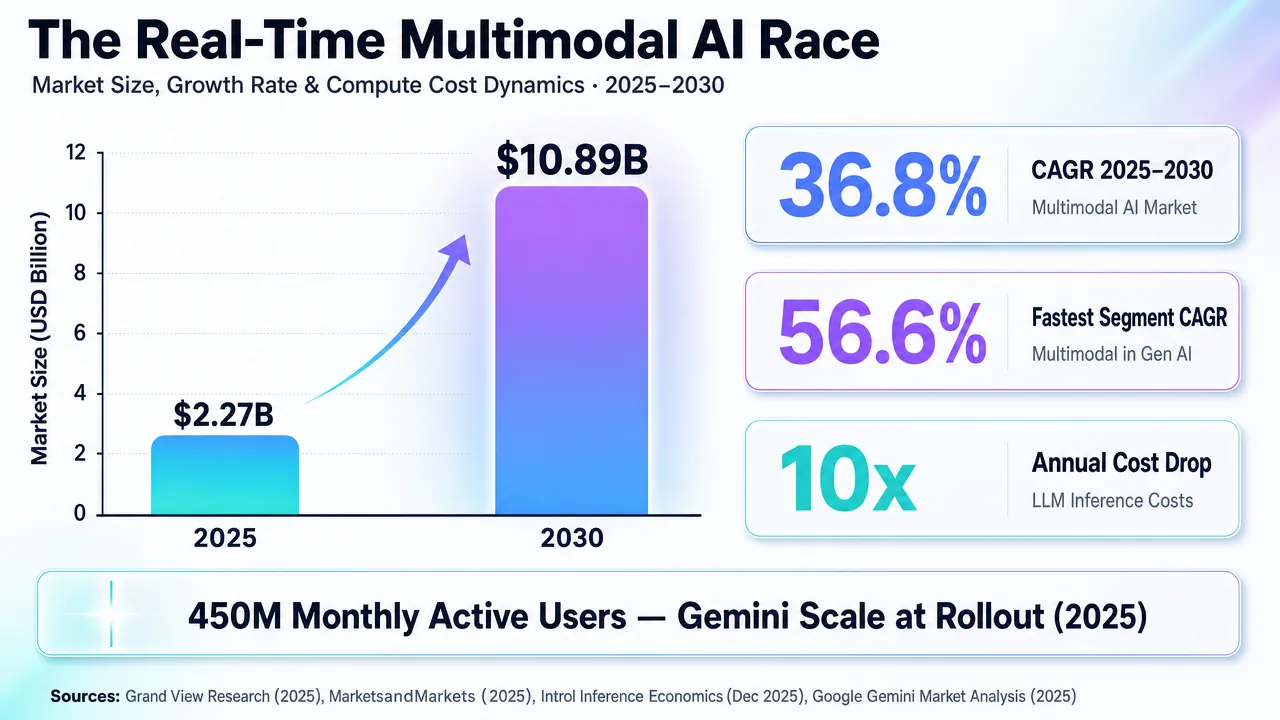
Why it matters now: Rolling out a system that handles text, live video, and voice at the same time to millions of users amounts to a real-world test of Google’s TPU setup. The bar has moved past simple text models toward always-on reasoning that feels immediate.
Who is most affected: Everyday power users get the access right away, yet the groups watching closest are enterprise architects, hardware makers working at the edge, and developers who need to see how well the streaming holds up.
The under-reported angle: The headlines focus on the rollout itself. What actually counts is how Google rearranges its compute resources to keep latency low across three different price tiers while routing work between devices and the cloud.
Deep Dive
Have you noticed how most announcements treat new models like simple upgrades? The Gemini Omni release across Google’s paid tiers feels different. It is really an infrastructure statement. Most of the early coverage calls it a subscriber bonus, but “Omni” marks a shift toward models that handle audio, video, and text streams together instead of patching separate modules. That native approach cuts delays and supports conversations that move at a more natural pace.
Google chose to open it to all three tiers at once, which looks like a clear attempt to pull ahead of Claude and GPT-4o. Still, the move leaves some practical questions hanging. Subscribers want to know the exact limits on video frames or context size once they move from Plus to Ultra. Those details got little attention in the first announcements.
The wider release also puts heavy stress on Google’s data centers. Keeping voice and vision responses quick and steady means deciding moment by moment whether work happens on the device or in the cloud. That balancing act will show whether the current setup can scale without falling back into slow, stilted replies.
Developers are waiting for the next part. Consumer access is one thing; usable APIs and SDKs are another. Stable WebRTC support, clear rate limits, and sensible pricing for always-on apps still need to appear. At the same time, any service that listens or watches continuously will face fresh scrutiny on privacy and consent once regulators start asking how the data is handled.
Stakeholders & Impact
| Stakeholder / Aspect | Impact | Insight |
|---|---|---|
| AI / LLM Providers | High | Intensifies the real-time multimodal race, forcing competitors to match latency, voice, and vision capabilities natively. |
| Infrastructure & Cloud | High | Demands continuous, low-latency inference streams; likely driving further optimization in load balancing edge vs. cloud TPU compute. |
| Developers Ecosystem | Medium–High | Massive opportunities to build ambient applications, pending the release of stable WebRTC API endpoints and rate limit clarity. |
| Regulators & Policy | Significant | Real-time live camera and microphone AI assistants open unresolved questions regarding user consent, continuous data streaming, and privacy guardrails. |
About the analysis
Researched and written with AI assistance under the editorial responsibility of the i10X News team. The title image is an AI-generated illustration. Read our AI Use Policy. Spotted an error? Request a correction.
This is an independent, research-based analysis that decodes consumer rollout signals to project the underlying structural, compute, and developer impacts of real-time multimodal AI. It is designed to equip CTOs, AI builders, and market strategists with the context beyond basic public relations announcements.
i10x Perspective
Text is losing its place as the main way people interact with computers. Gemini Omni looks like a deliberate step to get users comfortable with AI that watches the screen and listens to the room without waiting for a prompt. In the next few years the real contest will shift from model size to the cost of running inference. The company that can offer the fastest multimodal responses at the lowest compute price stands to control how developers build the next layer of spatial and voice interfaces.