Kling AI launched Kling Image 4.0 on 17 November 2026, an image model that generates pictures in native 8K resolution and can produce sets of up to 10 matching images from one prompt. The model is live in Kling Creative Studio and available to developers and enterprises through the Kling API.
Quick Take
- What: Kling’s next-generation image model, from the creative platform owned by Kuaishou.
- Resolution: 2K, 4K and native 8K output for single images and image sets.
- Text: up to 2,000 characters in one image, more than 70 preset fonts and seven languages.
- Sets: up to 10 consistent images per prompt, plus long images for e-commerce product pages.
- Access: Creative Studio and the new endpoint /image-generation/kling-4.0.
In plain English
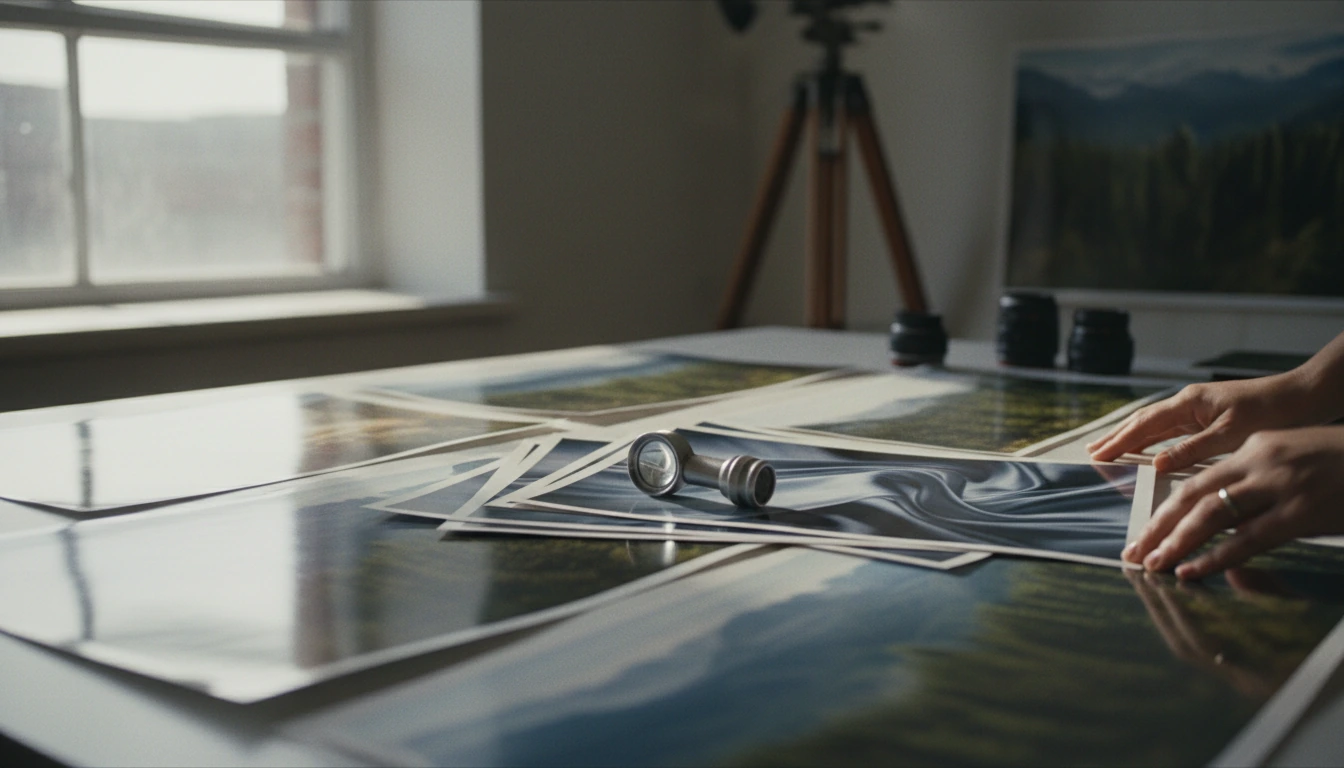
Kling is one of the best-known Chinese AI video and image tools. Its new image model aims at professional work such as ads, product photos and posters. The headline feature is 8K output, which means much larger images with more detail, so designers can crop or print big without the picture breaking up. It can also write long, readable text inside images and keep a character or product consistent across a series.
What happened
Kling announced the model in a blog post and a press release from Beijing. The company says Kling Image 4.0 is built on what it calls a native unified understanding and generation architecture, which brings image understanding and image generation together in a single autoregressive framework. Kling says the model is the first in the industry to support native 8K AI image generation, a claim we could not independently verify.
Background
Kling built its name with video models such as Kling 3.0. Image generation has become a crowded field, with Google’s Nano Banana 2.1 and OpenAI’s image models competing on price and editing. Kling says Kling Image 4.0 Preview holds a leading position on the Artificial Analysis image leaderboard for text-to-image and image editing.
How it works
- Text rendering: creators can edit text content and font styles inside generated images and upload font references. Supported languages are English, Japanese, Korean, Spanish, Portuguese, simplified Chinese and traditional Chinese.
- Image sets: the model plans a set as a whole, keeping style and subject identity while varying framing and angles, for storyboards, product shots or slides.
- References: the API accepts up to 10 combined image and subject references, at up to 30 MB each.
- Long images: a separate endpoint, /long-image-generation/kling-4.0, builds e-commerce detail pages and web design layouts.
- Billing: the API now charges for input reference images as well as output images, with output rates that vary by resolution.
Why it matters
For designers and marketers, native 8K and long text in images reduce the need for upscaling tools and manual layout work.
For developers, the new API design and structured parameters mean existing Kling integrations need updates.
For rivals, Kling is turning resolution into a main selling point.
What’s still open
- Independent tests of 8K quality, since detail at that size is easy to claim and hard to judge.
- Full pricing for heavy users once reference images are billed.
- How the model handles likeness and copyright requests compared with Western competitors.
Sources
- Kling AI, “Meet Kling Image 4.0,” blog post, 17 November 2026
- Kling AI, API Updates and image pricing documentation, 17 November 2026
- Media OutReach Newswire, Kling AI press release, 17 November 2026
- TechNode Global, report on Kling Image 4, 18 November 2026
i10x Perspective
The race in AI images has moved from “can it draw hands” to production details: resolution, typography and consistency across a campaign. Kling is betting that 8K output wins over agencies. See more launches in our Video & Image section.