OpenAI Codex Repositioned as Multi-Agent Engineering Partner
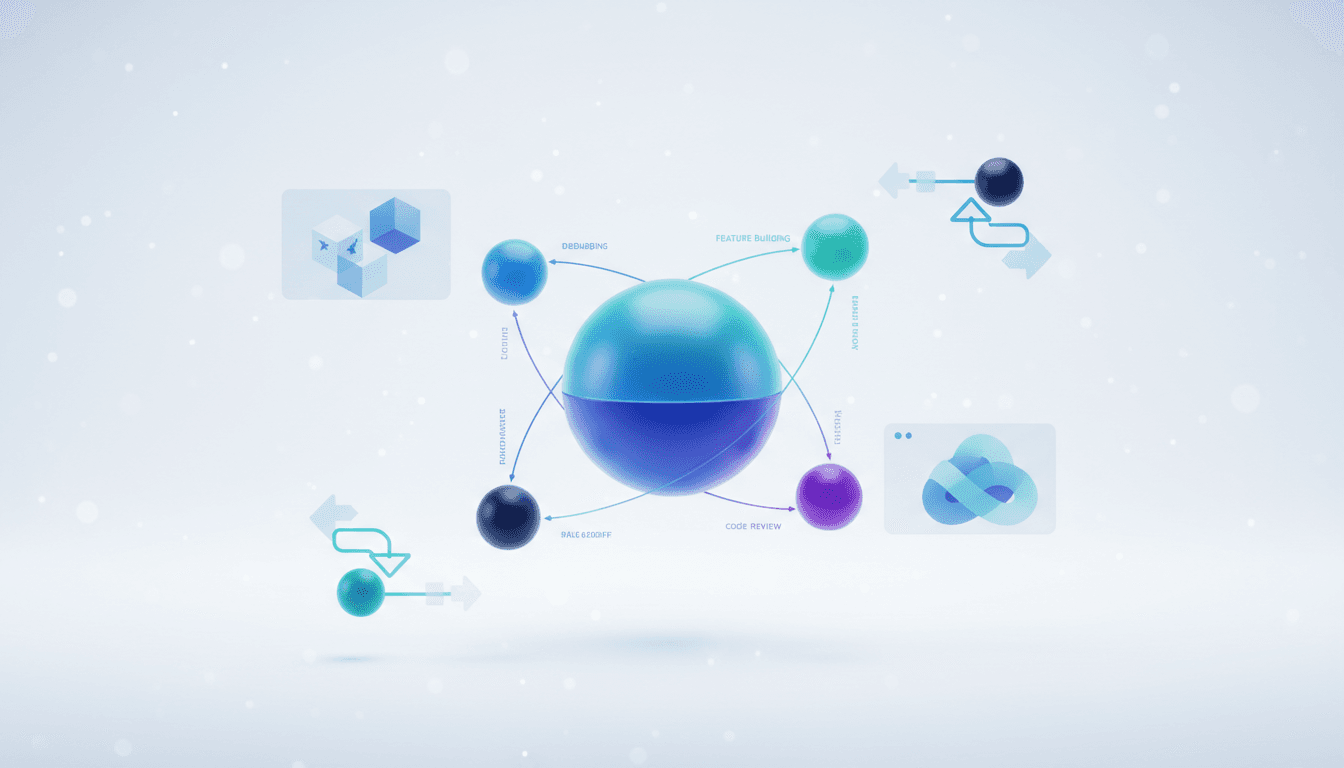
OpenAI is repositioning Codex as a multi-agent software engineering partner
OpenAI is repositioning Codex from a basic code generation tool into something more ambitious: a multi-agent software engineering partner that runs across desktop, CLI, and persistent cloud setups.
What changed is straightforward enough. OpenAI launched a dedicated Codex app for macOS, updated the CLI tools, and introduced reusable cloud environments. Developers can now spin up several AI agents at once, each powered by the codex-1 model, to chase down bugs, build features, or draft pull requests on their own.
This shift matters because it marks a clear move away from single-file autocomplete toward agents that can handle work across an entire project. Compute usage for writing software is changing as a result.
The people feeling it most are software engineers stepping into reviewer roles, engineering managers juggling multiple AI-driven workstreams, and security teams that now have to manage background agents they can't always see in real time.
One angle that hasn't gotten enough attention is how messy the rollout feels on the ground. The real obstacle isn't whether the model can code—it's the scattered access points and the governance headaches that come with letting agents run unsupervised.
Deep Dive
Have you ever tried juggling half a dozen tools just to get one coding task done? OpenAI Codex has moved well past its early days as a next-token predictor. With the codex-1 architecture and stronger reasoning models behind it, the system now acts more like a command center. The new macOS app lets developers launch separate agent threads, hand each one a slice of the repository, and step back while they run in parallel. The human role shifts toward reviewing diffs and architectural choices rather than typing every line.
To make that possible, OpenAI has also rebuilt the supporting infrastructure around persistent cloud environments. Older sandboxes vanished after each session, forcing constant re-setup. The new setups keep repository state, permissions, and team context alive, so agents can keep working even when the developer steps away. That separation from the local machine is what lets heavier tasks run in the background and be checked later from desktop, web, or mobile.
That said, the fast multi-platform push has left things fragmented. Right now the entry points include:
- a ChatGPT desktop app with Codex mode
- the standalone macOS app
- the CLI
- IDE extensions
- web-based environments
Teams comparing Codex with Cursor, Claude Code, or GitHub Copilot still have to decide which client fits which workflow—local fixes versus cloud refactoring—and that decision overhead adds up.
The bigger concern, though, is governance. Autonomous agents that can explore codebases and open pull requests in the background demand tighter controls than most current setups provide. Codex can scaffold features and write tests reasonably well, but it still lacks reliable architectural judgment. Enterprise use will likely depend on strong sandbox rules, secret handling, and mandatory human review before anything reaches production.
OpenAI is also using its ChatGPT user base—bundling Codex into Free, Pro, Business, and Enterprise plans—to sidestep traditional sales cycles. By placing these persistent agents inside accounts people already have, the company is pushing the market toward agent-managed development and putting pressure on specialized tools that still charge separately.
Stakeholders & Impact
Stakeholder / Aspect | Impact | Insight |
|---|---|---|
AI / LLM Providers | High | Parallel, cloud-based agents change the economics—more inference compute and always-on environments are now required. |
Enterprise IT & SecOps | Significant | Background agents force new approaches to sandboxing, scanning, and access control. |
Software Engineers | High | Daily work tilts from writing code to orchestrating agents and reviewing their output. |
Competing Dev Tooling | High | Tools like Cursor and Copilot now compete against something already included in widespread ChatGPT subscriptions. |
About the analysis
This review draws from official documentation, launch materials, third-party testing, and technical reporting. It is meant for CTOs, engineering leads, and anyone weighing how agentic coding tools fit into real teams and infrastructure.
i10x Perspective
From what I've seen so far, the Codex updates show that the race has moved past raw model quality and into orchestration and review capacity. As more labs push autonomous agents, the bottlenecks shift to human oversight time and secure, persistent environments. Over the next few years the split will probably sharpen: some developers will focus on directing fleets of agents, while others stay deep in specialized review work.
The organizations that win will be the ones running the cloud infrastructure that keeps millions of those agents alive and contained.
Related News
LLM Optimization: Visibility vs Inference Cost Management
LLM optimization spans marketing for AI visibility and engineering for inference costs. Discover how multi-model routing cuts expenses up to 85% while maintaining quality. Explore the full analysis.

AI Safety Shifts to Defense-in-Depth for Autonomous Agents
Cloud giants embed automated reasoning and watermarking into AI infrastructure as agents replace chatbots. Discover why zero-trust, permission-aware safeguards are now essential for enterprise deployment. Explore the guide.

AI Agents: Cloud Giants Race for Enterprise Automation Layer
Cloud providers like AWS, Google, and IBM are defining AI agents for autonomous workflows. Explore the shift from conversational AI, infrastructure demands, and governance risks in this enterprise analysis.