Perplexity is escalating the AI agent race from the cloud to the desktop with “Personal Computer,” a new macOS feature that transforms its answer engine into an always-on, file-aware operator. This move marks a strategic land grab for the most valuable real estate in computing—the operating system itself—preempting moves by Apple and Microsoft to own the on-device AI experience.
Quick Take
- Summary: Perplexity has launched “Personal Computer,” a feature for its Mac app that enables a persistent, background AI agent. The agent has long-term memory and can be granted access to the local file system, allowing it to perform automated tasks based on triggers and context from user files and activities. From what I’ve seen in similar tools, this could really change how we handle daily workflows.
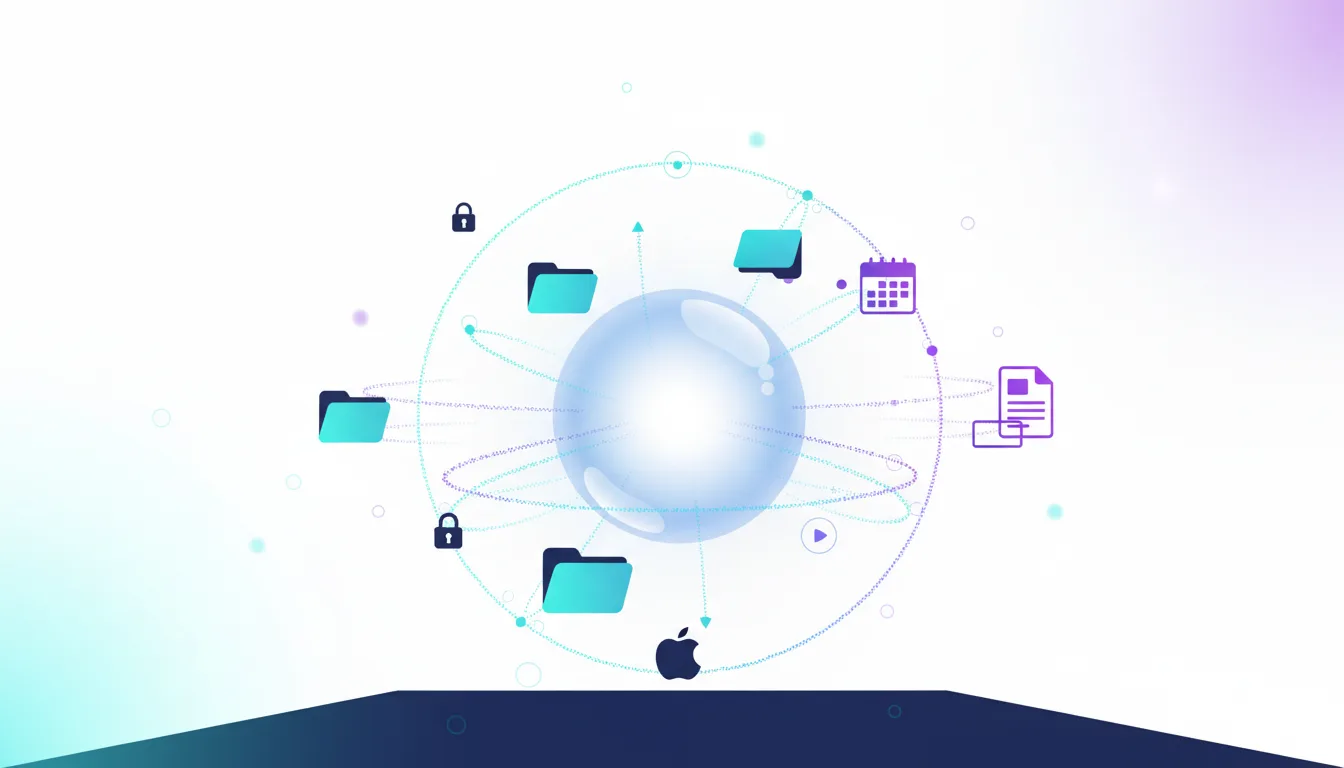
- What happened: Ever wonder what it would be like if your AI didn’t just respond but actually anticipated your needs? Unlike a typical chatbot that waits for queries, Perplexity’s agent runs continuously on macOS. After a guided setup granting specific permissions, it can monitor folders, access application data (like Mail or Calendar), and execute workflows without constant user supervision, functioning as a true proactive assistant. It’s almost like having a silent partner in the background, keeping things moving.
- Why it matters now: This is a direct challenge to the future of the operating system. As OS vendors like Apple and Microsoft prepare to bake their own AI deeply into macOS and Windows, Perplexity is embedding itself first. This creates a new battleground for on-device agents, forcing a conversation about whether users will prefer specialized third-party intelligence or a native, first-party OS agent. And honestly, that conversation feels overdue.
- Who is most affected: macOS power users, knowledge workers, and developers gain powerful new automation capabilities. Simultaneously, IT and security teams face a new challenge in managing tools that have persistent, deep access to sensitive local data. For Apple, this is both a proof-of-concept for its own rumored AI ambitions and a direct competitor on its home turf. Plenty of reasons to watch this closely, really.
- The under-reported angle: While most coverage focuses on productivity features, the critical missing analysis is the resource and security trade-off. An always-on agent with file access introduces a significant new attack surface and unknown impacts on battery life, CPU, and RAM – impacts that could sneak up on you during a long work session. The real test isn’t just its utility, but its ability to operate securely and efficiently without compromising the core user experience of the machine it runs on. I keep coming back to that balance; it’s trickier than it seems.
Deep Dive
Have you ever wished your AI could just… know your files without you spelling it out every time? Perplexity’s “Personal Computer” is more than a feature; it’s a fundamental shift in its product philosophy from a reactive answer engine to a proactive intelligence layer integrated directly into your personal computing environment. By giving its AI a persistent presence on macOS – complete with long-term memory and hooks into the file system through TCC (Transparency, Consent, and Control) – Perplexity is building the foundation for a truly autonomous agent. This agent can go beyond answering questions to independently organizing files, summarizing incoming information, and preparing documents based on calendar events. It’s that kind of quiet efficiency that makes you rethink what “helpful” really means.
The core capabilities hinge on three pillars:
- Persistent memory
- File system access
- Background automation triggers
Unlike the stateless nature of most web chatbots, the Mac agent remembers past interactions and context – it builds on what you’ve done before. When granted permissions, it can index specified folders, creating embeddings that allow it to “understand” your local data without necessarily sending the full content to the cloud. This combination enables workflows previously confined to complex scripts or dedicated tools like Hazel or Apple’s Shortcuts, but now accessible via natural language. That said, it’s not without its edges; you’re weighing the upsides against how much trust you’re handing over.
However, this power comes with an immediate and crucial tension between utility and security. Perplexity’s official announcement emphasizes a user-controlled, transparent permission model, walking users through macOS’s native security prompts. Yet, this represents a new paradigm for most users, who are accustomed to granting temporary, not persistent, access. The critical questions that remain unanswered by initial reports are quantitative: What is the real-world impact on Apple Silicon battery life and thermal performance? What is the precise threat model for an agent with continuous access to Downloads, Documents, and Mail? How does it behave offline, and what data leaves the machine versus being processed locally? These aren’t small details – they could tip the scales one way or the other.
This launch doesn’t happen in a vacuum. It squarely enters a competitive arena populated by memory-focused tools like Rewind, developer-centric assistants like Raycast AI, and the looming presence of agentic features from the model providers themselves, such as OpenAI’s “Operators.” Perplexity’s strategic advantage is its loyal user base of knowledge workers. Its challenge is to prove that its on-device agent provides enough value to justify the inherent security and performance overhead, especially as consumers anticipate Apple’s own system-wide intelligence, which will presumably have privileged access to the OS and hardware. I’ve noticed how these kinds of races often hinge on that trust factor, and it’s going to be fascinating to see how it plays out.
Stakeholders & Impact
| Stakeholder / Aspect | Impact | Insight |
|---|---|---|
| Perplexity (AI Provider) | High | Establishes a critical foothold on the user’s device, moving beyond the browser to become an indispensable part of the OS. Success depends on building user trust around privacy and resource management – something that’s easier said than done in this space. |
| Apple (OS Vendor) | Medium | Validates the market for OS-level AI agents while also creating a third-party competitor. Apple’s native solution will have a home-field advantage (performance, security integration), but Perplexity gets a head start on user behavior. It’s a bit like inviting a rival into your own backyard. |
| Users & Developers | High | Unlocks significant productivity and automation potential for power users. Creates a new platform for developers to build workflows on but requires a high degree of security awareness and careful configuration. The payoff could be huge, if managed right. |
| Enterprise IT & Security | Significant | Introduces a new class of “shadow IT.” Managing, auditing, and securing devices with persistent, file-aware AI agents becomes a major governance challenge, especially regarding data exfiltration and compliance. This one’s going to keep teams up at night, no doubt. |
About the analysis
Researched and written with AI assistance under the editorial responsibility of the i10X News team. The title image is an AI-generated illustration. Read our AI Use Policy. Spotted an error? Request a correction.
This is an independent i10x analysis based on public announcements, product documentation, and a comparative review of the existing AI agent ecosystem. It is written for developers, product leaders, and enterprise CTOs evaluating the strategic implications of on-device AI and the emerging class of intelligent operators. Think of it as notes from someone who’s been tracking these shifts for a while – practical, without the fluff.
i10x Perspective
Perplexity’s move onto the Mac is not just about a new app; it’s a bid to own the “personal context graph” before the platform holders do. Ever feel like your digital life is scattered, waiting for someone – or something – to tie it together seamlessly? The defining battle of the next AI era will be fought over the agentive layer that sits between the user and their applications. Can a specialized, third-party agent build enough trust and deliver enough unique value to compete with a deeply integrated, first-party OS agent from Apple or Microsoft? The success or failure of “Personal Computer” will be a powerful signal for whether the future of AI is a single, monolithic intelligence provided by the OS, or a vibrant ecosystem of competing, specialized agents. Either way, it’s reshaping how we think about our own machines – and that’s worth pondering.
The defining battle of the next AI era will be fought over the agentive layer that sits between the user and their applications.