Perplexity is pulling its AI intelligence out of the public cloud. The company has teamed with London-based infrastructure startup Valarian to run its tools inside tightly controlled, customer-owned environments. Pairing Perplexity’s agentic features with Valarian’s sovereign execution layer points to a clear change in how governments, defense agencies, and regulated enterprises will access frontier AI without giving up data control.
Quick Take
- What happened: Perplexity and Valarian are bringing “Perplexity Computer” to sovereign infrastructure, allowing organizations to run advanced AI research and workflows on owned servers, dedicated clouds, or fully air-gapped networks.
- The architecture: The deployment relies on a strict two-layer system separating the AI experience (Perplexity) from the policy, enclave, and workload orchestration layer (Valarian’s ACRA platform).
- Who is most affected: Governments, defense organizations, and financial institutions that have been locked out of standard SaaS AI tools due to strict compliance and data localization mandates.
- The under-reported angle: This partnership is deeply intertwined with the UK’s broader sovereign tech drive, aligning with Valarian’s recent $50 million Series A funding and the UK’s £500 million Sovereign AI Fund initiative.
What happened
Perplexity has partnered with London-based Valarian to launch sovereign intelligence deployments aimed at highly regulated sectors. The collaboration brings “Perplexity Computer” onto institutional servers, dedicated customer clouds, and even fully air-gapped networks so sensitive data stays inside the organization’s boundary.
Valarian’s ACRA platform supplies the sovereign execution environment. It enforces policy controls, manages secure AI enclaves, and handles workload routing, which lets enterprises run Perplexity’s research, multi-step workflows, and discovery tools without any external network exposure.
The partnership focuses on high-stakes operations in government, defense, banking, and critical infrastructure, giving these organizations a way to deploy AI agents that meet strict internal data and compute rules.
Why it matters now
The AI industry is running into a compliance barrier. While consumer and general enterprise use of LLMs has grown fast, high-stakes sectors have stayed on the sidelines because they cannot send proprietary or classified data to external APIs. This partnership closes the gap by moving from “renting AI” as a hosted service to running it inside a localized, zero-trust boundary.
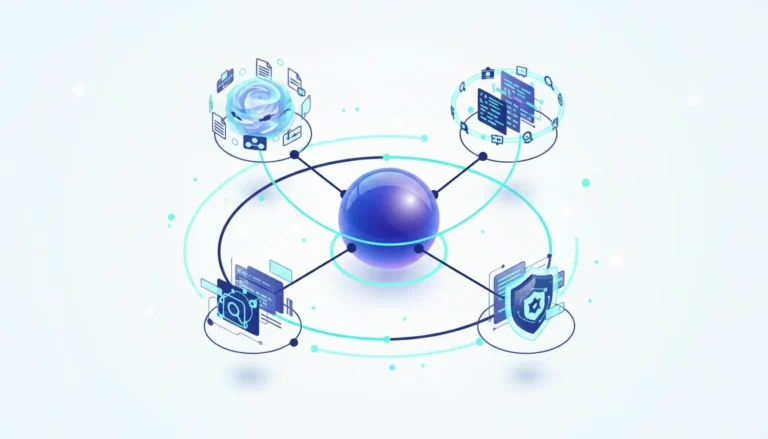
It also shows a shift in AI infrastructure toward sovereign compute and intelligent model routing. By separating the user-experience layer from the execution layer, organizations can send low-sensitivity tasks to external frontier models while keeping confidential workloads inside Valarian enclaves with local models.
National governments are pushing for compute independence, so deployable, sovereign AI environments are turning into a key requirement. Leading AI vendors now see that winning large enterprise and government contracts means their tools must work securely inside the customer’s own infrastructure.
Who is most affected
This move affects Chief Information Security Officers, defense procurement officers, and enterprise AI architects who have had to balance AI productivity demands against strict data-localization laws.
| Stakeholder | Impact | Why |
|---|---|---|
| Defense & Gov Agencies | Unlocked AI access | Can finally deploy Perplexity Computer in air-gapped environments without risking data leakage or violating sovereignty mandates. |
| Enterprise AI Buyers | Granular governance | ACRA enables strict credential, tool, and workload routing policies tailored to specific user permissions. |
| Cloud & Infra Providers | Shifting workloads | Accelerates demand for on-premise dedicated GPUs and localized, single-tenant cloud deployments. |
The Two-Layer Architecture Shift
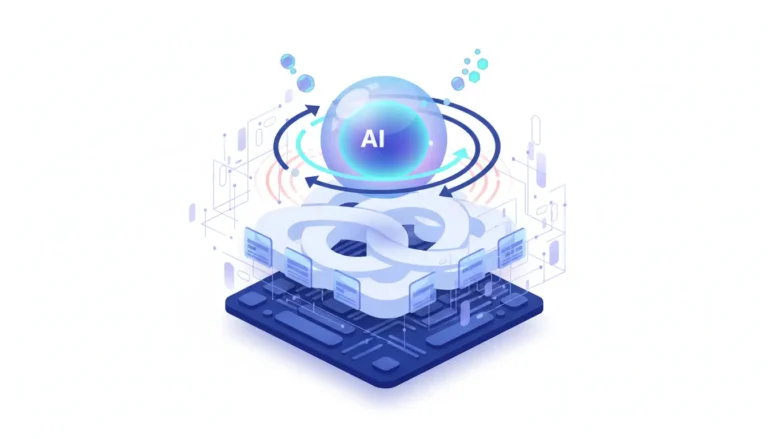
The partnership sets out a practical model for packaging autonomous AI for enterprise use. Perplexity supplies the intelligence and experience layer, including the agent harness, search tools, and multi-step workflow logic. Valarian’s ACRA acts as the infrastructure control point, managing memory, isolating execution, and enforcing exact permissions on which tools and models can reach specific data. This modular design turns AI agents from opaque black boxes into governable software layers that fit inside existing IT rules.
About the analysis
Researched and written with AI assistance under the editorial responsibility of the i10X News team. The title image is an AI-generated illustration. Read our AI Use Policy. Spotted an error? Request a correction.
This is an independent, research-based i10x analysis intended for enterprise CTOs, AI infrastructure architects, and compliance leaders navigating the sovereign AI landscape.
i10x Perspective
The Perplexity-Valarian alliance marks the close of the one-cloud-fits-all period for generative AI. As LLM capabilities grow more common, the real edge will come from those who can place frontier intelligence inside the most restrictive, high-stakes environments without losing control. We’ve seen this pattern before in other infrastructure shifts. Other major AI players are likely to chase similar partnerships, which could trigger fresh M&A and funding focused on AI enclaves and sovereign orchestration layers.