OpenAI is quietly rolling out “Skills,” a new framework that formalizes how developers package reusable capabilities for ChatGPT. This isn’t about user-level tricks; it’s a strategic move to transform ad-hoc prompt engineering into a structured, governable, and composable software development lifecycle for AI agents.
Quick Take
- Summary: OpenAI is introducing “Skills,” a modular feature for ChatGPT that allows developers to package instructions, resources, and scripts into discrete, reusable units. By defining a Skill in a simple
SKILL.mdfile within a standard folder structure, developers can create consistent and version-controlled AI capabilities, moving beyond messy prompt libraries and one-off Custom GPTs — it’s like finally getting your toolkit organized after years in a cluttered garage. - What happened: From available technical documentation and early reports, Skills are being adopted as the new standard for extending ChatGPT’s abilities. This developer-centric framework allows defining a task, providing relevant data assets or scripts, and making it available for an AI agent to invoke, similar to calling a function in traditional code — straightforward, yet it opens up substantial potential.
- Why it matters now: This feels like a pivotal moment for the AI ecosystem. As enterprises shift from experimentation to production, demand for auditable, consistent, and scalable AI workflows has increased. Skills offer a clear solution, enabling more intricate, multi-step agents and competing with tool-use features from rivals like Anthropic.
- Who is most affected: Developers gain a sturdier path for building and maintaining AI features. Enterprises and governance teams receive a practical route to approve, version, and monitor AI capabilities. Product managers and no-code users will benefit as Skills enable more advanced AI apps with less friction.
- The under-reported angle: Beyond the how-to chatter, the deeper story is enterprise governance and developer experience. Skills aim to turn prompting from craft into an engineering discipline, helping OpenAI strengthen its developer ecosystem while addressing CIOs’ security and compliance concerns.
Deep Dive
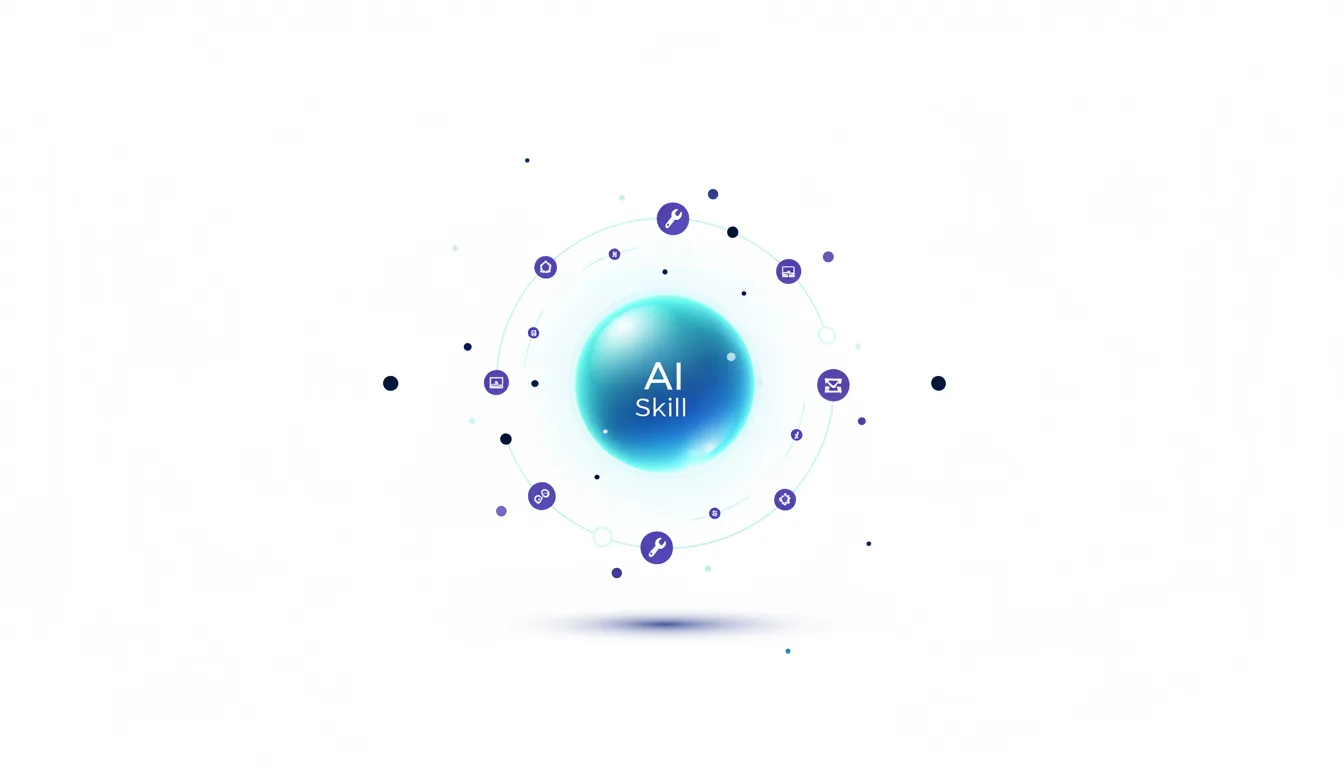
OpenAI is reshaping the developer experience with “Skills” — a shift that moves past Custom GPTs and one-off prompts toward a file-based setup for modular AI capabilities. At its core, a Skill is a folder containing a SKILL.md that explains purpose and instructions, with optional resources/ and scripts/ directories. Simple in design, this structure turns ephemeral prompts into durable, version-controlled assets developers can rely on.
This addresses a real headache: the chaos of managing countless prompts and custom directives. That chaotic approach often leads to inconsistent AI responses and makes auditing or expanding capabilities difficult. Codifying tasks into Skills creates a single source of truth for an agent’s abilities and methods, delivering consistency and making systems more production-ready.
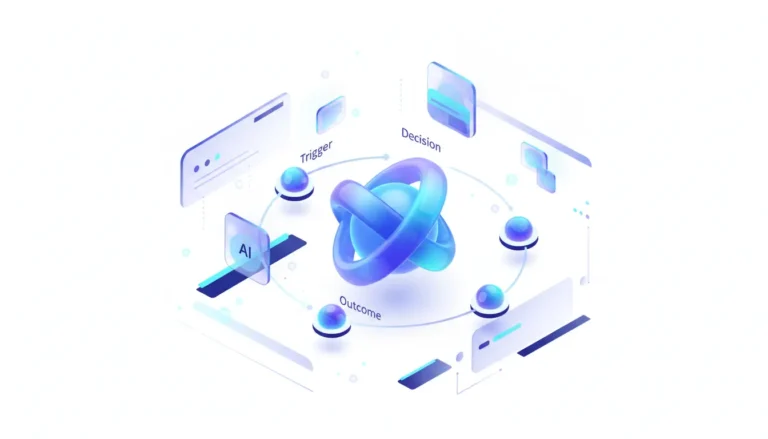
Where it becomes especially powerful is composability. With discrete, defined Skills, developers can assemble multi-step processes, chaining Skills to tackle problems that a single prompt cannot. This elevates ChatGPT from conversational assistant to an agent capable of planning and invoking the right capability when needed.
Skills are also OpenAI’s counter to rival approaches, notably Anthropic’s tool-centric model. While competitors emphasize API-driven tool integrations, OpenAI’s file-first Skills may integrate more naturally with Git workflows and lower the entry barrier for many developers. The platform that best streamlines building, governing, and scaling these capabilities will likely dominate the agent-development landscape.
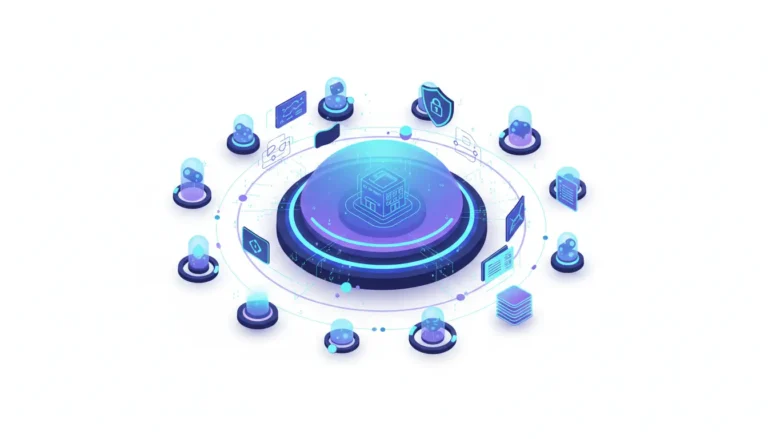
Finally, the enterprise angle is substantial: Skills can be inspected, versioned, and deployed as distinct artifacts. Security teams can audit the files, managers can approve versions, and developers can follow familiar release cycles — converting generative AI from a frontier experiment into a governed, enterprise-friendly capability.
Stakeholders & Impact
| Stakeholder / Aspect | Impact | Insight |
|---|---|---|
| AI Developers | High | Shifts the daily workflow from scattered prompting to a structured, Git-friendly software lifecycle. Enables building intricate, multi-step agents by composing Skills. |
| Enterprises & CIOs | High | Provides oversight and traceability. Skills become trackable, versioned pieces that teams can vet and monitor for compliance. |
| Anthropic & Competitors | Significant | Intensifies competition around developer ergonomics for agent-building: file-based simplicity versus API-driven tool integrations. |
| No-Code/Low-Code Users | Medium | Initially developer-focused, but Skills will likely surface in visual tools and marketplaces, enabling mix-and-match vetted capabilities. |
| Prompt Engineers | Transformative | Reorients the role from tuning ad-hoc prompts to authoring durable Skill definitions in SKILL.md, emphasizing enduring instructions over one-shot prompt tricks. |
About the analysis
Researched and written with AI assistance under the editorial responsibility of the i10X News team. The title image is an AI-generated illustration. Read our AI Use Policy. Spotted an error? Request a correction.
This analysis synthesizes OpenAI’s developer documentation, community reports, and comparisons with competing agent approaches. It’s written for developers, engineering leads, and product teams navigating platform choices and operationalizing AI capabilities.
i10x Perspective
It’s notable how “Skills” signals a move away from treating LLMs as inscrutable oracles and toward a software-centric ecosystem. OpenAI is packaging model behaviors into tidy, file-based components — not merely a tweak but a blueprint for a development style that values solid engineering over improvised prompting flair. The enterprise appeal is clear: reliability, safeguards, and traceability. The open question remains whether this file-driven approach will outcompete seamless API tool integrations in the long run, or whether it will instead redefine how teams build and scale intelligent agents.