Anthropic’s Claude Opus 4.5: From Chatty Assistant to Dependable Agent Brain
⚡ Quick Take
I’ve been watching the AI landscape evolve closely, and Anthropic’s release of Claude Opus 4.5 feels like one of those iterative steps that quietly reshapes things—especially for the enterprise crowd eyeing autonomous AI agents. It’s all about sharpening coding skills, tool integration, and handling those drawn-out tasks, signaling a pivot from raw smarts to the kind of steady reliability that powers real automation. This puts Anthropic right in the ring with OpenAI and Google, vying for those production-level AI jobs that matter most.
Summary
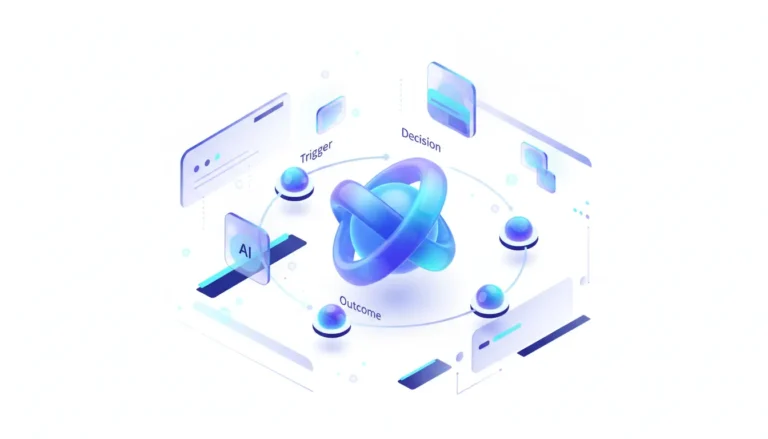
Claude Opus 4.5, Anthropic’s latest flagship, ramps up what it can do with tricky, multi-step work. The focus? Turning it into a dependable driver for agentic setups—think systems that grab tools, mess around in computer environments, and stick with plans over hours or days, without dropping the ball.
What happened
Rather than a flashy overhaul, Opus 4.5 hones in on steadier reasoning, sharper coding, and—crucially—better handling of tools and outside systems. That “computer use” trick lets it poke around apps and interfaces almost like a person would, which opens up fresh possibilities.
Why it matters now
Ever wonder when AI would grow up from chatty assistants to agents that actually get stuff done on their own? The market’s heading there fast, and this is Anthropic’s play to position Claude as the go-to “brain” for business automation. It takes on OpenAI’s GPT-4o and Google’s Gemini head-on, for folks crafting the next breed of AI-infused apps. The fight’s shifting—from “smartest model wins” to “who delivers the control and dependability for live production?”
Who is most affected
Folks like enterprise developers, AI product leads, and architects building these systems—they’re getting a beefier toolkit, sure, but now they’ve got to wrestle with designing, watching over, and reining in agents that are smarter and trickier to manage.
The under-reported angle
Press releases hit the highlights, but the quieter story here is the nuts-and-bolts playbook you’ll need to really harness Opus 4.5. It’s not just about nailing prompts anymore; think intricate agent setups, breaking down costs per task, and building in sharp oversight. Official guides touch on it, but they’re light—expect independent tools to fill those gaps, and plenty.
🧠 Deep Dive
Have you caught yourself frustrated with AI that talks a big game but fumbles the follow-through on actual work? That’s the gap Anthropic’s tackling with Claude Opus 4.5—a release that’s more than a tweak; it’s a smart bid for the growing enterprise space around AI agents. Sure, headlines call it another shot in the AI wars, and the docs lay out the tech specs, but piecing it together reveals something richer. The upgrades in coding, tools, and managing those sprawling tasks? They’re built to fix that developer headache: evolving AI from witty sidekick to a worker you can count on. Businesses keep asking, “How do I make AI act, not just chat?”—and this is Anthropic’s response, plain and simple.
What really sets Opus 4.5 apart is how it could fuel those intricate, step-by-step processes. Earlier versions nailed the thinking part, but they tripped on keeping track of states or staying reliable for something like “Dig into this quarter’s sales numbers, whip up a deck, and shoot it off to the execs.” Now, with tighter function calls and that fresh “computer use” feature, it’s geared for those marathon tasks—though, and this is key, it amps up the headaches too. If you’re switching from older models, a feature rundown won’t cut it; you’ll want solid migration tips, compatibility checks, even blueprint examples for stitching together agents with multiple tools. The launch stuff leaves those doors ajar, which means teams will scramble a bit at first.
But here’s the thing—this is where the heavy lifting kicks in, right? The System Card lays out the model’s weak spots and breakdowns honestly, yet it’s on your engineering crew to turn that into real-world safeguards. Rolling out Opus 4.5 in a corporate setup demands extra layers: monitoring tools, governance frameworks. Suddenly, you’re tracing every agent move, judging how they fare on big jobs (beyond just word-for-word precision), and keeping tabs on costs that spike in those endless loops. The whole discussion’s moving—from fixed benchmarks to the nitty-gritty of engineering AI’s cost and flow in real time.
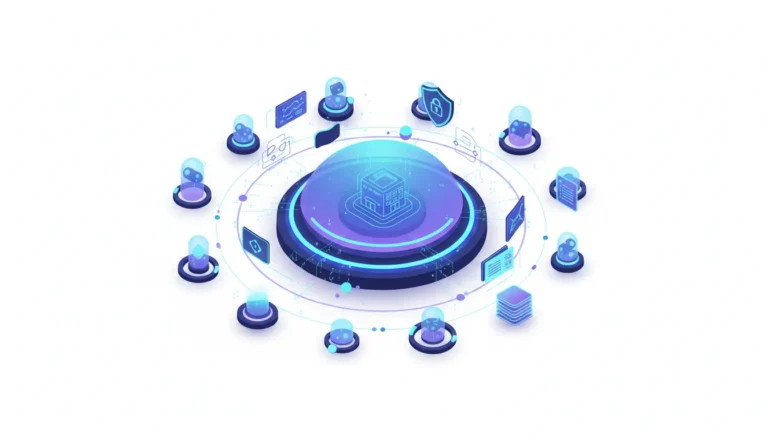
In the end, Opus 4.5’s fate hinges on what grows up around it, you know? Places like AWS Bedrock are already stepping up, bundling Claude with security nets, compliance checks, and easy scaling to ease enterprise headaches. Still, the real gold is in fresh tools and habits for sketching out, testing, and keeping an eye on agents. Models like this are turning into everyday parts; what counts is crafting a setup that’s solid, safe, and doesn’t break the bank. It’s a stronger motor, no doubt—but you still need the frame, gauges, and brakes to make the full vehicle hum.
📊 Stakeholders & Impact
| Stakeholder / Aspect | Impact | Insight |
|---|---|---|
| AI / LLM Providers (Anthropic) | High | This solidifies their spot as a serious player in enterprise agent work, though it cranks up the pressure to deliver top-notch support for devs—think clear migration routes and pro-level tools that go beyond the basic API. |
| Developers & Enterprises | High | It opens doors to fancier automation builds, but flips the script: now it’s less about tweaking prompts and more about full-on systems work—crafting, locking down, and tracking stateful AI agents that can get messy. |
| Cloud Platforms (e.g., AWS) | Significant | It bolsters their pitch as the go-to wrapper for heavy-hitter models. They’ll shine if they smooth out the ops side—security, visibility, cost controls—for these agent setups, making it all less of a tangle. |
| End-Users | Medium | Down the line, you’ll see slicker, more hands-off AI woven into your apps. How trustworthy and safe that feels? It all rides on how devs tame this bolder wave of models. |
✍️ About the analysis
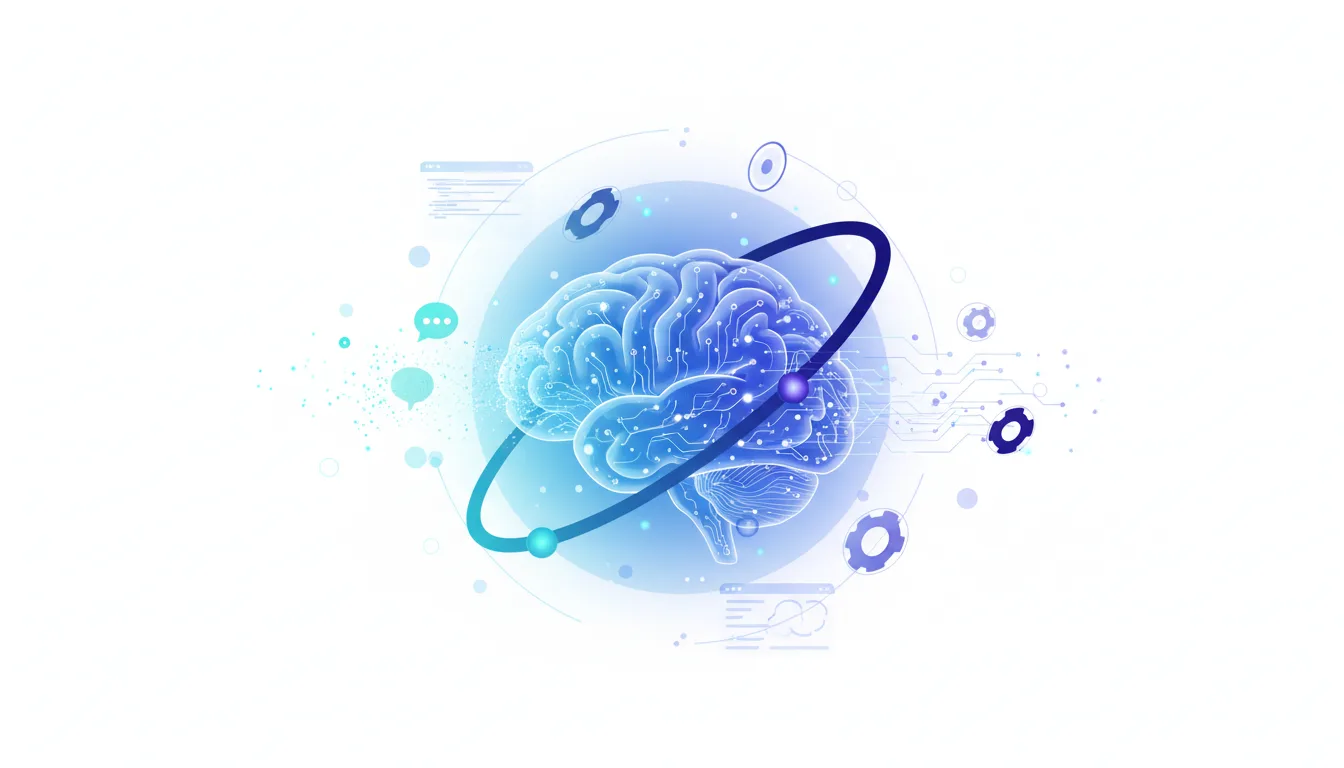
Researched and written with AI assistance under the editorial responsibility of the i10X News team. The title image is an AI-generated illustration. Read our AI Use Policy. Spotted an error? Request a correction.
This comes from an i10x independent breakdown, pulling together official docs, safety cards, platform how-tos, and early buzz from the market. It’s aimed at developers, engineering leads, and CTOs knee-deep in rolling out large language model systems.
🔭 i10x Perspective
From what I’ve seen in these launches, Claude Opus 4.5 hits a turning point—where raw model brains are just the entry fee, and nailing system steadiness becomes the real game. The rivalry isn’t solely about topping charts anymore; it’s who offers the sturdiest, steerable setup for channeling smarts into everyday automation.
Anthropic’s handed over a sharper mind, but the AI showdown’s true champ will be whoever tames the mess around it. Looking ahead, that push-pull will define the next ten years: agents getting freer means the controls, eyes, and faith in them have to scale up fast. This? It’s the fresh turf for infrastructure wars.