AI Smartwatches Integrate ChatGPT for On-the-Go Tasks
⚡ Quick Take
Summary: The integration of conversational AI into wearables has officially reached the budget hardware market, shifting LLMs from browser-based novelties to something closer to always-on wrist assistants.
What happened: Budget hardware makers, starting with devices like the Rollme AI Watch 2, are now baking cloud-based LLMs such as ChatGPT straight into the watch for on-the-go WhatsApp replies, voice control, and task automation.
Why it matters now: This is turning into an early stress test for AI edge infrastructure. Running these workloads on tiny devices highlights the real friction between cloud API latency, token costs, and the hard limits of smartwatch batteries.
Who is most affected: Hardware OEMs, mobile chip designers like Qualcomm and Apple, OS gatekeepers such as Google and Apple, plus privacy-conscious consumers whose biometric data now sits right next to cloud-based LLMs.
The under-reported angle: Most coverage chases the novelty of "ChatGPT on a watch" while glossing over the privacy side of routing continuous health data—heart rate, SpO2, sleep tracking—into unvetted cloud LLM wrappers.
🧠 Deep Dive
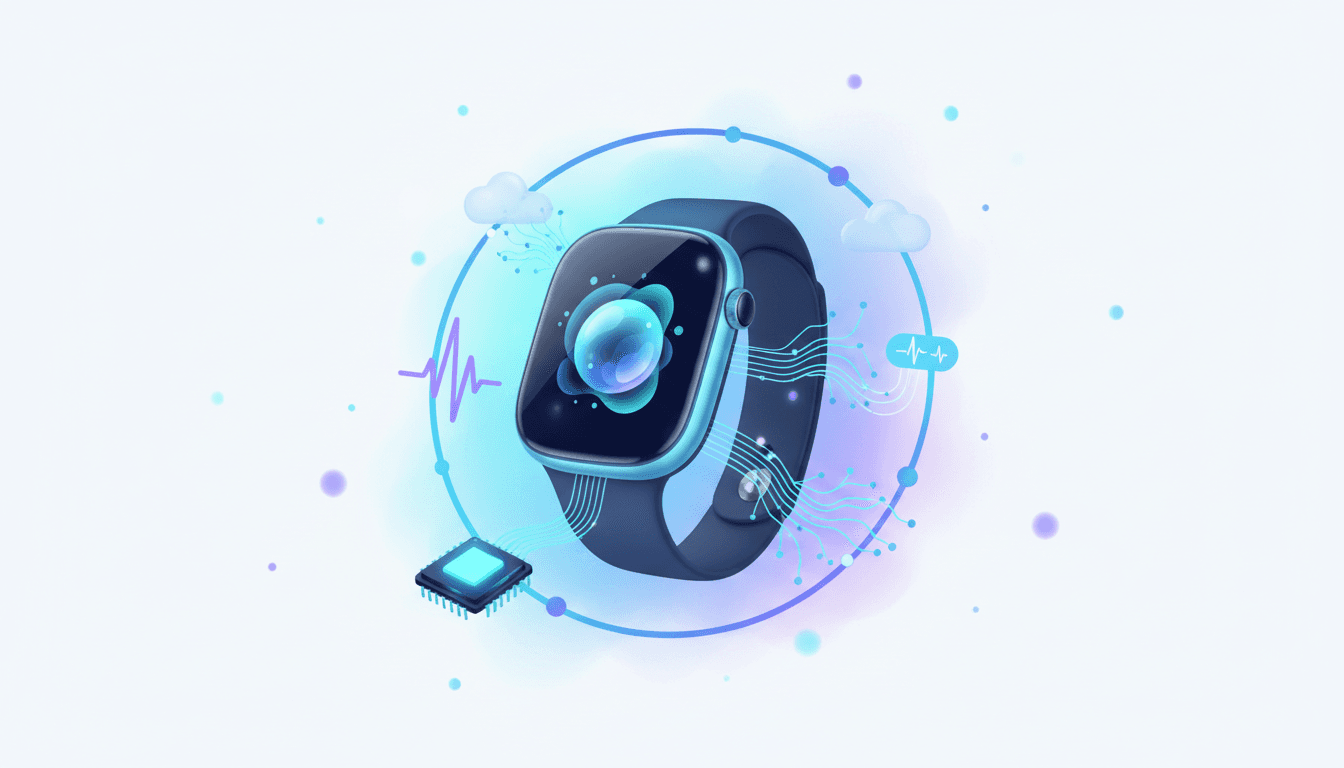
Large Language Models are slipping out of the browser and edging closer to the devices we wear. The latest crop of affordable AI smartwatches shows that conversational AI is no longer some premium software advantage—it is settling into baseline hardware territory. By folding ChatGPT into the OS for quick messaging and voice commands, these watches are positioning the wrist as a direct interface for generative AI, often skipping the phone altogether for simple agentic tasks.
That said, the first versions lean almost entirely on cloud APIs, which reveals a clear weak spot in today's AI hardware setup. Constant connectivity brings latency that feels especially annoying during live voice interactions, and it pulls smartwatch batteries down fast. The physics of generating tokens while polling the network just does not match the power realities of wearable hardware. The real engineering push right now is not about smoother cloud calls but about TinyML—fitting smaller models onto specialized Neural Processing Units inside the watch itself.
These budget, API-heavy wearables are also creating a localized privacy headache. Smartwatches already function as biometric monitors, logging sleep patterns and cardiovascular signals. Pairing those sensors with cloud models like ChatGPT, Grok, or DeepSeek without clear on-device encryption or retention rules leaves health data more exposed than most users realize. Independent audits of how these assistants handle biometric prompts or protect API keys are still missing from the market.
This wave of inexpensive AI hardware is pushing Apple and Google to move faster on their own system-level integrations. As third-party wrappers appear in Wear OS and watchOS, the gatekeepers are likely to tighten control. We can already see early steps with Gemini Nano on Android and Apple Intelligence, both aimed at keeping sensitive voice work on-device and limiting third-party cloud models from reaching the most personal data layers.
The lasting value of AI on the wrist will not stop at drafting a quick message. The next real step involves contextual health coaching and ambient productivity—an assistant that can read VO2 Max trends, factor in calendar stress, and quietly tune notifications. Reaching that point without dragging latency or privacy issues along means the infrastructure has to move away from cloud reliance toward on-device silicon.
📊 Stakeholders & Impact
Stakeholder / Aspect | Impact | Insight |
|---|---|---|
AI / LLM Providers | Medium | Wider API reach into wearables lifts usage volume, yet it also risks brand wear from slow or clunky budget-device experiences. |
Silicon & Infrastructure | High | Strong pressure to build ultra-low-power NPUs and TinyML designs that fit small models inside tight thermal and battery limits. |
OS Gatekeepers (Apple/Google) | High | They must speed up native AI features to protect their platforms from third-party cloud wrappers. |
Consumers / Users | Significant | Hands-free messaging and productivity arrive quickly, but biometric privacy exposure remains hard to measure. |
✍️ About the analysis
This independent look draws from current commercial search patterns and how competitors are positioning themselves in the wearable AI space. It is meant for hardware strategists, product leads, and developers tracking the move from cloud-heavy LLMs toward edge architectures.
🔭 i10x Perspective
The smartwatch may be the clearest testbed for ambient, always-present AI. Moving from basic chat wrappers to agentic systems that handle tasks and track health on their own will favor companies that master on-device silicon over those with the strongest cloud APIs. The friction between Apple and Google's privacy-focused, closed approaches and the more open, API-driven budget segment will likely shape personal AI architecture for years ahead. Watching the device that must run these models on a tiny battery gives the clearest signal of where the infrastructure is headed.
Related News

LLM Medical Prognosis Limits: Why Models Fail Survival Forecasts
Benchmarks show LLMs excel at extracting data from records but struggle with calibrated long-term risk estimates. Discover why prediction drift blocks clinical use and how hybrid pipelines are emerging. Explore the guide.

Shadow AI Risks: Securing Developer Endpoints in LLM Workflows
Enterprises secure production AI but overlook Shadow AI risks from unvetted developer tools and personal LLM keys. Discover how AI Bills of Materials and full-lifecycle controls close the gap.
Grok for Startups: xAI Credit Program for Founders
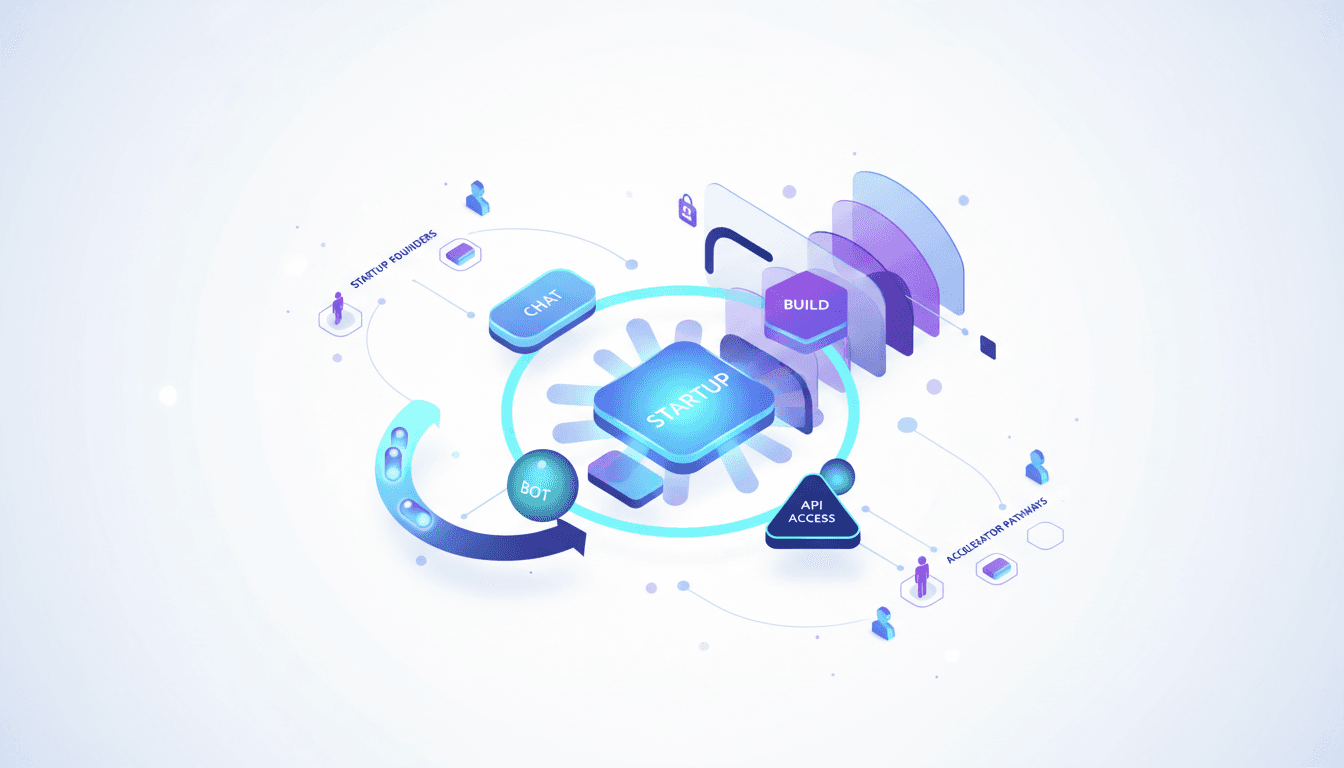
xAI launches Grok for Startups with 6-12 months of unified credits for Grok, API, Build and Bot. Discover the 20/80 staged release to cut early burn rates and secure ecosystem access.