Summary
The search for the Gemini app reflects a massive consumer migration as Google aggressively replaces its legacy Assistant with an LLM-native reasoning engine across millions of smartphones, bringing in advanced multimodal vision and voice capabilities.
What happened
Google is rapidly rolling out the Gemini mobile app as the default interactive layer on Android (and via the Google App on iOS), closing in on a staggering 1 billion monthly active users as it bundles its advanced LLMs directly into the OS surface.
Why it matters now
Mobile is the most critical battleground for consumer AI adoption. By embedding Gemini into the mobile OS—tying it to camera, microphone, and on-device extensions (Workspace, Maps, YouTube)—Google is attempting to weaponize its Android distribution moat to outscale OpenAI’s ChatGPT app.
Who is most affected
- Everyday consumers
- Android hardware OEMs
- AI application developers
- Enterprise privacy teams
The under-reported angle
Beyond the bizarre branding collision with the Gemini cryptocurrency exchange, the real untold story is the privacy tension and capability gap: users are stumbling through half-baked migrations from the deterministic Google Assistant to a probabilistic LLM that handles complex reasoning brilliantly but still struggles with basic local device commands.
Deep Dive
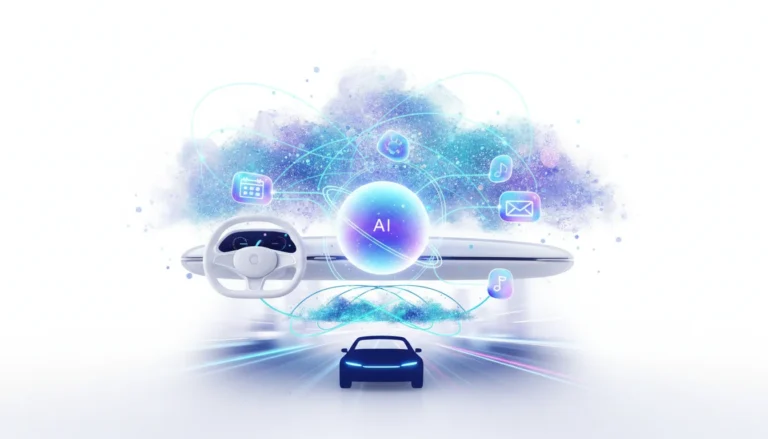
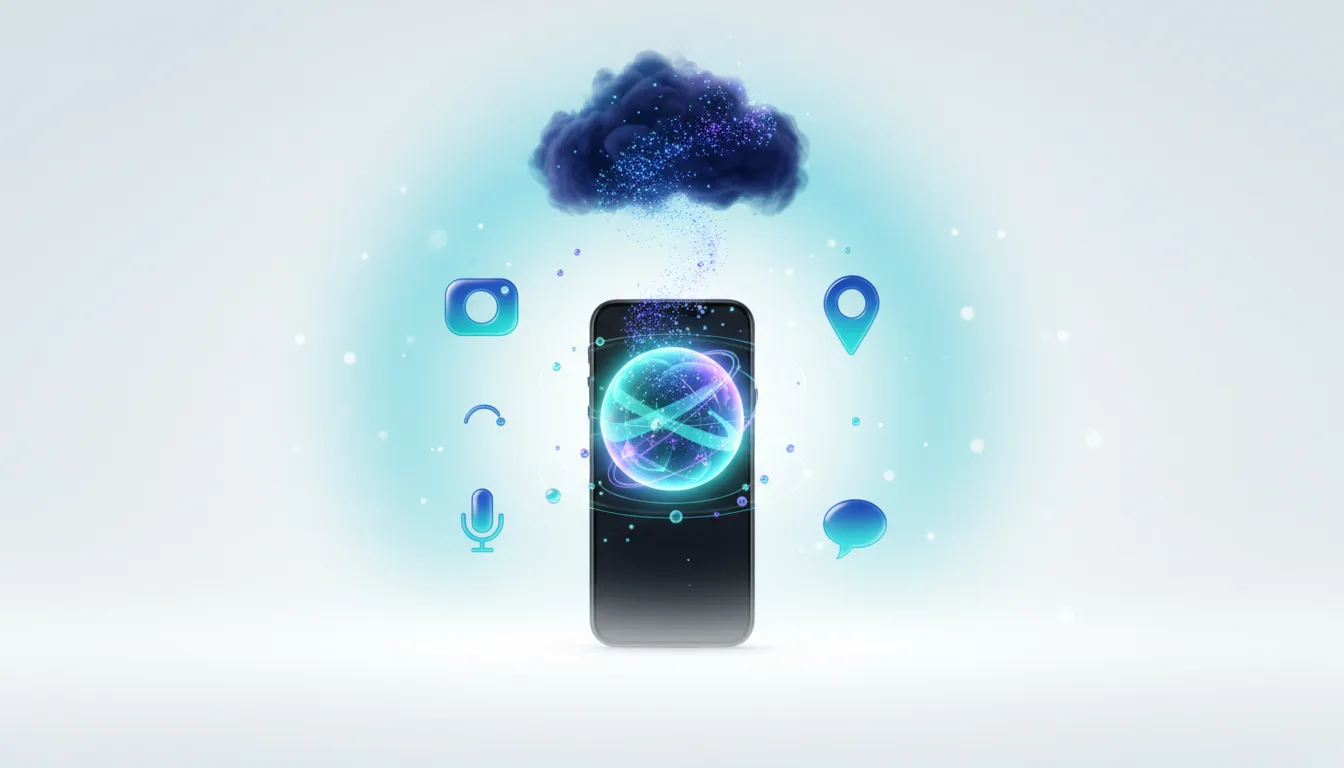
Have you ever tried telling your phone to do something simple, only to watch it overthink the request? The push to put the Gemini app on home screens goes well beyond a typical update. It marks an infrastructural shift for the world’s most common mobile system. Google is essentially attempting an OS-level transplant, swapping out the older Assistant’s rule-based approach for something more fluid and context-aware. By routing the long-press power gesture to Gemini, the phone turns into a live sensor feeding data to the company’s flagship models.
Right now the experience feels uneven, no matter what the polished announcements suggest. On Android the app sits deep in the system, reading screen context and handling device actions directly. On iOS it stays more contained inside the Google Search app or Siri Shortcuts. That split underscores the real contest: who controls distribution. Google is leaning on Android’s reach to push adoption toward 1 billion monthly users, closing ground on ChatGPT’s standalone numbers.
Yet the search data reveals real friction. People are looking for clear comparisons between what the old Assistant handled and what Gemini manages. The new model shines at planning, writing drafts, and interpreting live camera images, but it still hands simpler local commands back to the previous system through an awkward fallback. From what I’ve seen, that split leaves users piecing together the differences on their own.
The rollout also surfaces privacy questions that deserve more attention than most coverage gives them. Searches around data retention, microphone access, and camera processing have spiked. Google’s help pages point to controls and enterprise options, yet feeding constant multimodal input to cloud models changes the baseline. Users move from mostly on-device intent matching to ongoing streams of information heading off-device.
The branding overlap with the crypto exchange adds another layer of confusion, though it’s mostly a side effect of how quickly these products are shipping. Regulators, developers, and everyday users are left sorting out the practical implications while the pieces are still moving.
Stakeholders & Impact
| Stakeholder / Aspect | Impact | Insight |
|---|---|---|
| AI / LLM Providers | High | Google is weaponizing OS-level distribution to directly challenge OpenAI’s ChatGPT user base, prioritizing mobile-first multimodal data capture. |
| Mobile OEMs & OS Platforms | High | Android manufacturers must integrate heavier local processing or accept cloud latency, shifting hardware requirements toward better NPU/GPU architectures. |
| Everyday Users | Medium–High | Massive productivity gains via multimodal reasoning, but offset by migration friction, capability gaps, and steep learning curves for prompt engineering. |
| Privacy Regulators | Significant | Deep integration of camera/mic data with cloud-based LLMs demands urgent scrutiny over continuous context capture, data retention, and enterprise compliance. |
About the analysis
Researched and written with AI assistance under the editorial responsibility of the i10X News team. The title image is an AI-generated illustration. Read our AI Use Policy. Spotted an error? Request a correction.
This independent, research-based analysis synthesizes global search behavior, SERP metadata, and competitor content strategies regarding the Gemini mobile ecosystem. It is designed to help AI strategists, product developers, and enterprise IT leaders understand the underlying infrastructure shifts beneath consumer-facing AI applications.
i10x Perspective
The Gemini app is not the end state; it functions as an entry point for a more ambient intelligence layer. By routing camera and microphone input straight into Google’s multimodal models, the shift moves us from searching for information to feeding live context into an LLM. Over the next five years the decisive question will be whether smaller on-device models can handle routine tasks while handing off the heavier work to cloud systems like Gemini Advanced, all without eroding trust. Android’s scale gives Google a clear head start, yet any persistent clumsiness in the transition could open space for Apple Intelligence or OpenAI to set the next baseline.