Google Project Astra: Real-Time Multimodal AI Explained
⚡ Quick Take
Summary:
Google’s Project Astra is a real-time, continuously streaming multimodal AI agent designed to process live video, audio, and text simultaneously to understand and remember a user's environment.
What happened:
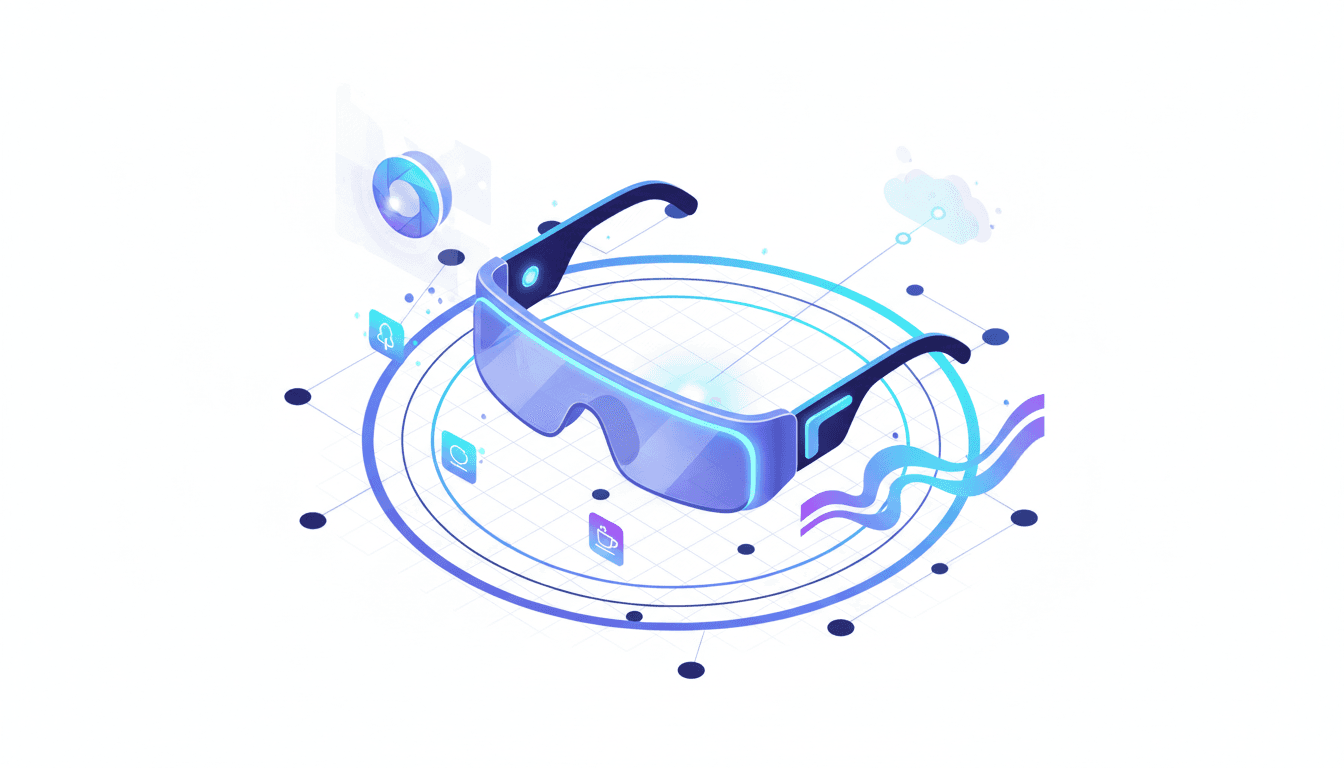
Unveiled by Google DeepMind, Astra showed it could identify objects on the fly, walk through code explanations, and hold onto spatial memory—all fed through a smartphone camera or smart glasses, with almost no lag.
Why it matters now:
Astra signals the end of turn-based chatbots. By shifting to constant environmental awareness, Google is pushing the multimodal AI race hard against OpenAI’s GPT-4o and changing what people will expect from an AI assistant.
Who is most affected:
Mobile chipmakers working on NPUs, hardware OEMs, enterprise compliance teams, and AI developers who now have to design for always-on spatial computing.
The under-reported angle:
While most coverage fixates on the AR glasses demo, the bigger shift is under the hood. Hitting Astra’s latency targets means heavy on-device inference, which quietly turns this into an edge-compute and mobile SoC story rather than another cloud play.
🧠 Deep Dive
For the past couple of years, talking to an LLM has felt like a strict back-and-forth—you send something, wait, then get a reply. Google DeepMind’s Project Astra breaks that pattern. Built as a universal AI agent, it keeps a steady stream of audio and visual data moving through one encoder pipeline. It isn’t limited to snapping a single picture when asked; instead it watches, listens, keeps short-term memory buffers going, and stays anchored in the physical space around the user.
The timing of its Google I/O debut, coming right after OpenAI’s GPT-4o reveal, makes the new front line clear. This round of the AI competition isn’t about bigger context windows or text benchmarks. It’s about latency and how naturally the model can move between different inputs. Latency kills the feeling of a real conversation, and Astra tries to fix that by fusing camera, mic, and IMU data on the spot. Reaching that speed, though, forces a bigger question about where the actual thinking happens.
Mainstream reports tend to gloss over the infrastructure side. Running an always-perceiving AI without melting cloud budgets or torching phone batteries pushes Google to move more of the work to the device itself. Astra acts as a forcing function for the next wave of mobile chips and neural processing units. The practical path looks like a hybrid setup: basic visual grounding and spatial mapping stay local, while heavier reasoning gets handed off to the cloud when needed.
That same always-on design also creates real headaches for companies that might want to use it. DeepMind’s demos focus on helpful moments—locating lost keys or reading a whiteboard—but privacy teams are right to flag the governance issues. An AI that records and interprets an entire workspace needs firm rules on what stays on-device, how long data lingers, and how privacy is protected during training. Without those boundaries, enterprise pilots stay stalled.
For developers, the move from text APIs to continuous multimodal streams means new toolkits are required. Permission models, latency tuning, and handling the model’s mistakes in messy real-world settings all become part of the job.
📊 Stakeholders & Impact
- AI / LLM Providers — High. The bar moves from text reasoning to real-time multimodal latency and streaming perception (vs. GPT-4o).
- Edge Hardware & Chipmakers — High. Strong demand signal for advanced mobile NPUs and wearable hardware that can manage continuous inference.
- Enterprise IT & Compliance — Significant. Always-on cameras force a fresh look at data governance, with clear on-device versus cloud boundaries.
- App Developers — Medium–High. Design shifts from simple API calls to agentic flows that need spatial memory and live sensor access.
✍️ About the analysis
This independent overview pulls together technical details shared by Google DeepMind, competitor positioning, and reactions from both consumer coverage and investor circles. It’s meant for CTOs, AI teams, and innovation leads who want the infrastructure and market implications rather than another round of event hype.
🔭 i10x Perspective
Project Astra makes it clear that the long-term destination for these models isn’t a chat window. It’s an ambient layer that sits over everyday life. The demand for constant sensor input and near-zero latency also raises the bar for anyone trying to compete without the same hardware-software-cloud stack that Google—and Apple—already have in place. Over the next five years, the company that controls the most efficient edge-to-cloud pipeline for real-time interaction may matter more than the one with the single smartest model.
Related News

LLM Medical Prognosis Limits: Why Models Fail Survival Forecasts
Benchmarks show LLMs excel at extracting data from records but struggle with calibrated long-term risk estimates. Discover why prediction drift blocks clinical use and how hybrid pipelines are emerging. Explore the guide.

Shadow AI Risks: Securing Developer Endpoints in LLM Workflows
Enterprises secure production AI but overlook Shadow AI risks from unvetted developer tools and personal LLM keys. Discover how AI Bills of Materials and full-lifecycle controls close the gap.
Grok for Startups: xAI Credit Program for Founders
xAI launches Grok for Startups with 6-12 months of unified credits for Grok, API, Build and Bot. Discover the 20/80 staged release to cut early burn rates and secure ecosystem access.