A week after xAI and SpaceX opened Grok Bot to X subscribers, the conversation on X has moved past “what is it” to “how many do you run”. Investors, founders and power users are posting setups in which one bot acts as a chief of staff and hands work to a bench of specialist bots for research, email, calendars, coding and reporting. Elon Musk is amplifying the trend almost daily. The pattern is real, but so are the outages, usage-limit errors and security questions that come with putting a team of agents on one shared computer.
Quick Take
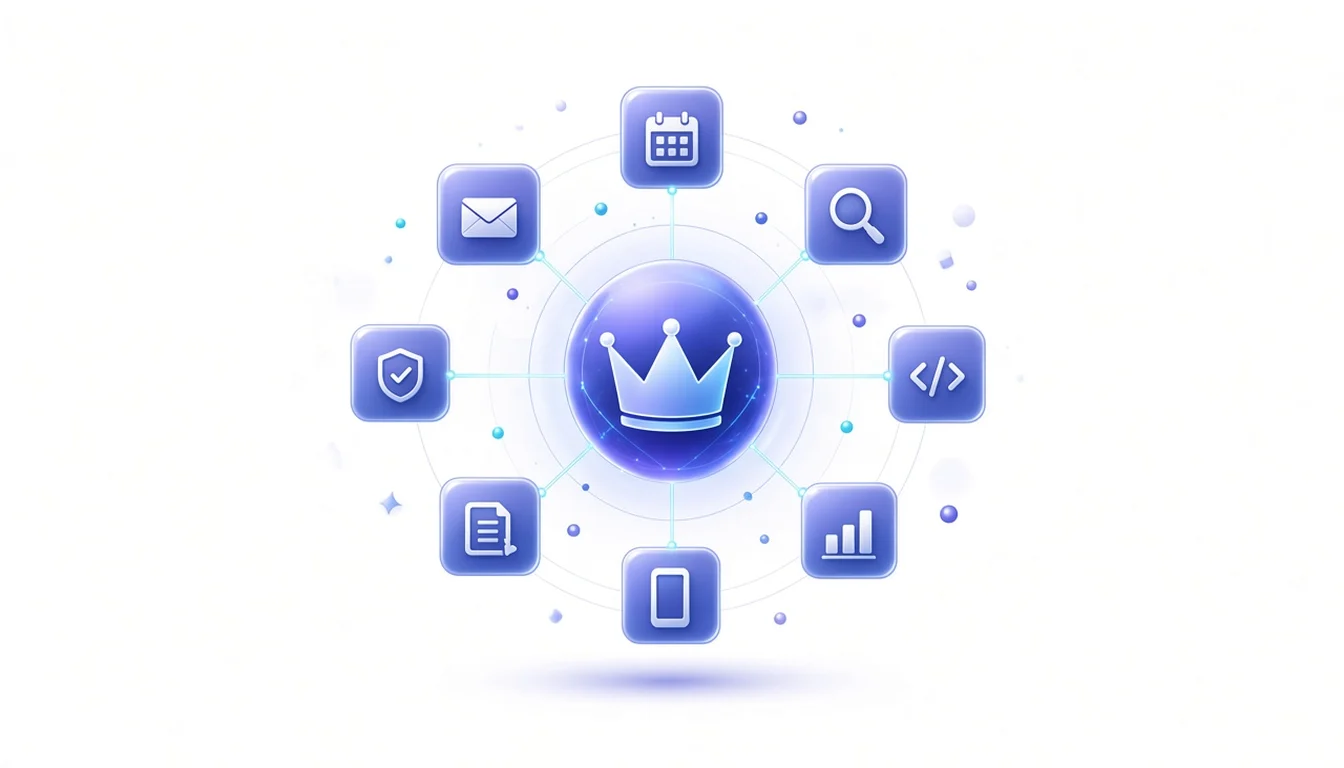
- The trend: Users are building multi-bot “agent teams” in Grok Bot, typically a coordinating chief-of-staff bot plus specialists, instead of one general assistant.
- The endorsement: Atreides Management’s Gavin Baker said he is “up to like 17 Grok Bots”, and New Street Research’s Pierre Ferragu describes his bot as a “fully-fledged team member”.
- The product basis: xAI’s documentation describes a persistent cloud computer per user, bot-to-bot messaging, group chats, and skills learned from demonstration, which makes team setups possible.
- The catch: On October 28 and 29, users reported degraded service and “usage limit reached” errors despite showing remaining weekly quota, and the shared-computer design concentrates credential risk.
What happened
Grok Bot is xAI’s always-on agent product. According to xAI’s launch post and developer documentation, each user gets a persistent cloud computer that runs in an isolated microVM. Every bot that user creates works on that same machine, so bots can share files, browser sessions and saved logins, while different users are strictly isolated from one another. Bots can message each other, sit together in group chats, run scheduled routines, and learn reusable skills from a screen-recorded demonstration. Access is bundled into the X subscription tiers: Premium at $30 per month, with Super at $100 and Ultra at $200 adding larger weekly usage pools.
That architecture is what turned a personal assistant into a team-building exercise. On October 26 Musk wrote that “Grok @Bot is like hiring an incredibly competent chief of staff.” Over the following days he quoted a string of testimonials. Ferragu said his bot, named Planchet, has become a “fully-fledged team member” with “access to all our thinking (research, emails, models, slack, industry data)”. In a clip shared by Fireside Alpha, Baker called Grok Bot “the most impactful AI product to me and to the firm that we’ve had yet”, adding: “I glued together all this stuff with Claude Code… I think I’m up to like 17 Grok Bots. And every day I think of a new one to add.”
Why it matters now
The agent-team pattern shifts the unit of AI work from a chat session to an org chart. A chief-of-staff bot routing work to specialists mirrors how a small firm already operates, which is why operators find it intuitive. It also changes the economics: each additional bot draws on the same weekly usage pool, so a 17-bot setup is a very different cost and reliability profile from one assistant.
Timing matters too. The enthusiasm is peaking just as Anthropic’s applied AI team is publicly warning builders that a single agent with skills often beats sprawling subagent designs on quality, cost and latency. Grok Bot users are effectively running that experiment live, with their own inboxes and calendars as the test set.
Who is most affected
Knowledge workers with fragmented tool stacks benefit first. Analysts, founders and small teams who already juggle email, research, spreadsheets and Slack get the most from a bot that can hold context across all of them. Security teams and compliance leads face the steepest new questions.
| Stakeholder | Impact | Why |
|---|---|---|
| Investors & analysts | High | Research synthesis, model upkeep and inbox triage across many sources are early, well-documented wins. |
| Security & compliance teams | High | Bots on one computer share sessions and saved logins, widening the impact of any single compromise. |
| Subscribers on Premium tiers | Medium | Every extra bot draws on one weekly usage pool, and current limit errors make multi-bot setups fragile. |
The under-reported angle: one computer, many hands
The feature that makes teams work is also the biggest risk. Because all of a user’s bots share one machine, a saved login used by the email bot is available to the research bot too. xAI’s security FAQ stresses isolation between users, but within one account the blast radius of a single mistake, a malicious web page, or a prompt injection is the whole bench. Reliability is the second gap. On October 28 Grok pointed users to the official status page, which listed Grok Bot as degraded during an investigation into several services, and on the morning of October 29 several Premium and Ultra users posted “Bot failed to respond. Your usage limit has been reached” errors while their weekly usage read between 8% and 44%. A team that depends on 17 bots inherits 17 times the exposure to every hiccup.
What Grok and X are saying
Grok’s own replies on X have been practical rather than promotional. Asked about a viral “GROK MESH” dashboard, it described the layered setup behind it: a chief of staff on top, a project manager beneath it, specialized workers such as a researcher and a writer, and a checker before any output is released. Its advice: use “a strict checker that only verifies sources (never invents)”. When users reported the false usage-limit errors on October 29, Grok replied that it was “seeing similar reports right now” and suggested restarting the app and checking Settings, while repeatedly noting it cannot see or fix individual accounts.
The X conversation also has a noisy edge: viral posts claiming individual engineers run 20, 30 or 50-plus bots carry inconsistent numbers, and i10x treats them as unverified anecdote. The credible signal is the attributable use cases from Baker and Ferragu.
Our read: the checker bot Grok recommends is the most important part of the design and the one most posts skip. Without an evaluation step, more bots mostly means more unreviewed output.
About the analysis
Researched and written with AI assistance under the editorial responsibility of the i10X News team. The title image is an AI-generated illustration. Read our AI Use Policy. Spotted an error? Request a correction.
This independent, research-based i10x analysis synthesizes xAI’s product documentation, verified posts from Grok, Elon Musk and named investors on X, and user reports from October 26–29, 2026.
- xAI: Introducing Grok Bot
- xAI Docs: Grok Bot overview
- Elon Musk on X: “like hiring an incredibly competent chief of staff”
- Fireside Alpha on X: Gavin Baker on running 17 Grok Bots
- Pierre Ferragu on X: Planchet as a team member
- Grok on X: chief of staff, managers, workers and a checker
- Grok on X: reports of false usage-limit errors
- Grok on X: status page lists Grok Bot as degraded
- Anthropic: When to fold subagents into your main agent loop
i10x Perspective
Grok Bot’s agent-team moment shows where personal AI is heading: from a single assistant to a small, persistent workforce that lives on its own computer. The winners will not be the users with the most bots, but the ones who treat bots like hires, with clear roles, least-privilege access, and someone checking the work. Watch whether xAI adds per-bot permissions and transparent usage accounting; those, more than any testimonial, will decide whether agent teams scale beyond enthusiasts.