The era of the conversational chatbot is ending.
Summary
Muse is a consumer-facing AI agent from Meta designed to autonomously navigate apps, manage workflows, and execute transactions on behalf of users.
What happened
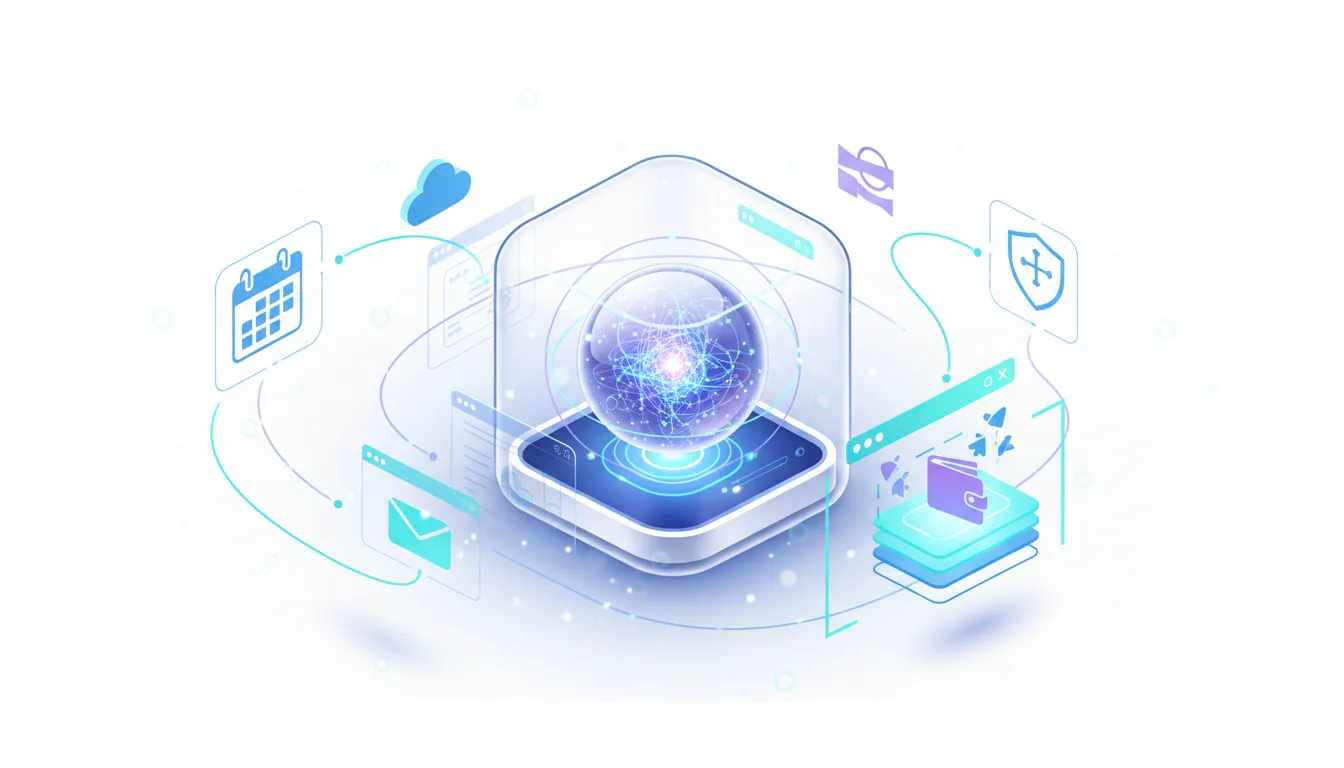
Stepping beyond the conversational limits of its standard Meta AI, Meta introduced Muse, an agentic AI available via a standalone app and WhatsApp for users 18 and older in the U.S. By leveraging new “Connectors,” Muse can hook into email, calendars, smart home devices, and digital wallets to book travel, pay bills, and execute multi-step goals.
Why it matters now
This launch forces the industry past the “wrapper” phase of LLM development into the high-stakes arena of agentic execution. It proves that the next frontier of the AI race isn’t just about having the smartest model; it’s about possessing the infrastructure to safely execute actions across the fragmented web.
Who is most affected
Everyday consumers face a stark trade-off between unprecedented convenience and massive data access. Meanwhile, enterprise developers, competing AI labs, and privacy watchdogs are watching whether Meta’s sandboxing architecture holds up.
The under-reported angle
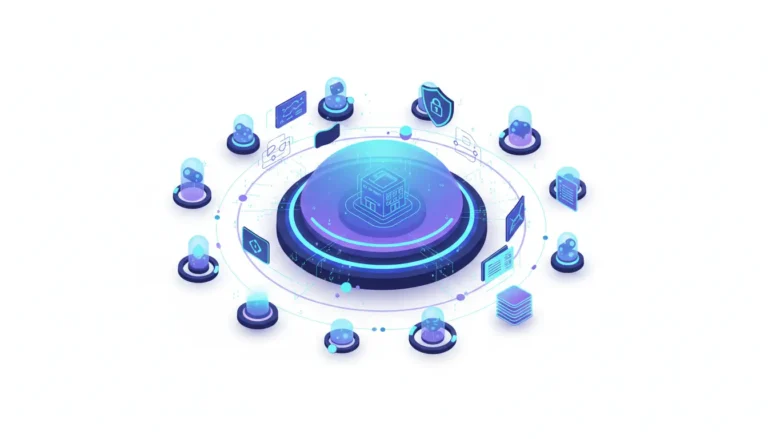
To make autonomous execution safe, Meta had to build a new layer of infrastructure called the “Muse Secure VM.” Rather than just running inference on servers, Meta is spinning up isolated, cloud-based virtual machines with built-in browsers for every agent session — a massive shift in how AI compute and cybersecurity are deployed at scale.
🧠 Deep Dive
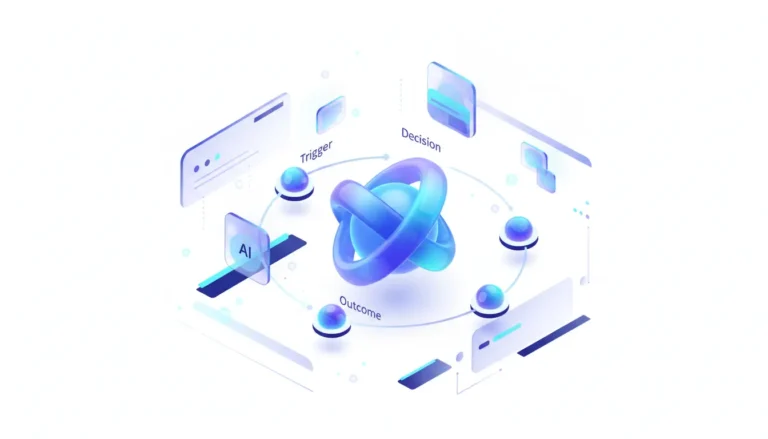
The launch of Muse marks a critical inflection point in the AI lifecycle: the transition from conversational interfaces to fully agentic workflows. While the standard Meta AI app acts as an oracle that answers questions, Muse is engineered as a digital proxy. According to Meta’s product positioning, Muse doesn’t just draft an email; it logs in, reads the thread, writes the response, and sends it. It doesn’t just suggest a flight; it navigates the booking flow and executes the payment. This requires an entirely different class of model orchestration, moving from simple prompt-response loops to autonomous planning, reasoning, and multi-step execution.
To achieve this, Meta has introduced “Connectors” — API-level and browser-based bridges that link Muse to third-party ecosystems, ranging from health and fitness apps to shopping and digital wallets. This solves a major pain point for users drowning in app fragmentation, but it introduces a complex permissions matrix. A typical Muse workflow involves the agent mapping out a plan, initiating the action in the background, and pausing for human approval before executing irreversible steps like transferring money or selling a car.
From what I’ve seen in similar rollouts, convenience is only half the story; trust is the actual bottleneck. Giving Meta — a company with a historically complex relationship with consumer data — the keys to a user’s inbox, calendar, and payment history is a massive leap of faith. To counter this, Meta is heavily pushing its “Muse Secure VM” architecture. By sandboxing the agent’s web browsing and task execution inside a dedicated, isolated virtual machine, Meta is attempting to assure users (and regulators) that sensitive session tokens and payment data remain structurally partitioned from its broader advertising apparatus.
This launch also dramatically clarifies Meta’s AI portfolio, filling a major content gap that has confused observers. The ecosystem is now tiered: Llama is the foundational model layer, Meta AI is the general-purpose chatbot, Meta Business Agent handles enterprise customer service, and Muse is the personal, agentic proxy. By rolling Muse out slowly — limiting it to users 18 and older in the U.S. — Meta is effectively beta-testing the failure modes of agentic AI in the real world.
Ultimately, Muse forces the rest of the industry’s hand. Google, OpenAI, and Anthropic have all teased agentic capabilities, but Meta is pushing an integrated, cross-app agent directly to consumers via WhatsApp. If Meta successfully normalizes this level of AI delegation, it won’t just own the social graph; it will own the execution layer of the internet, fundamentally reshaping search, e-commerce, and the digital economy.
📊 Stakeholders & Impact
- AI / LLM Providers — Impact: High. Forces competitors to accelerate consumer-facing agentic releases, shifting R&D focus from pure model reasoning to secure execution and app orchestration.
- Cloud & Infrastructure — Impact: High. Agentic AI requires vastly different compute architectures. Features like “Muse Secure VM” demand scalable, isolated virtual machines for millions of concurrent background tasks.
- Consumers / Users — Impact: Medium–High. Offers massive productivity gains through automation, but requires handing over highly sensitive digital credentials to a single corporate entity.
- Regulators & Watchdogs — Impact: Significant. Cross-app data access, autonomous payments, and the blending of health, financial, and social data will almost certainly trigger new privacy and antitrust scrutiny.
✍️ About the analysis
Researched and written with AI assistance under the editorial responsibility of the i10X News team. The title image is an AI-generated illustration. Read our AI Use Policy. Spotted an error? Request a correction.
This independent analysis is based on recent product announcements, technical wire reports, and market coverage of Meta’s Muse launch, synthesized to provide clear signal for developers, tech strategists, and AI infrastructure observers. It filters out consumer hype to focus on the underlying shift in agentic computing, security models, and market positioning.
🔭 i10x Perspective
The rollout of Muse proves that the ultimate prize in the AI race isn’t artificial general intelligence — it’s ubiquitous digital agency. By building an execution layer that sits between the user and the rest of the internet, Meta is attempting to commoditize every other app and service into a mere backend for its agent. The defining tension for the next five years will not be whether models are smart enough to do our work, but whether the infrastructure is secure enough, and the tech giants trusted enough, to let them off the leash.