An AI false alarm at a Maryland high school has turned into a lawsuit. Four current and former Kenwood High School students have sued Omnilert, the maker of the AI gun detection system used in Baltimore County schools, along with the school district and county police, after the system flagged a bag of chips as a firearm and armed officers handcuffed and searched them.
Quick Take
- The case: Allen, et al. v. Omnilert, et al., filed on 17 November 2026 in the Circuit Court for Baltimore County, Maryland.
- The alert: the complaint says Omnilert Gun Detect identified a student’s bag of chips as a firearm “with 90% confidence” in October 2025, and Omnilert’s human review team forwarded the alert.
- False positives: the complaint cites Maryland’s Office of the Inspector General for Education, which found more than 99% of the system’s alerts in Baltimore County schools were false positives.
- What they want: damages and an order barring the schools from using the system, or any similar AI gun detection, until verification, cancellation and training protocols are in place.
In plain English
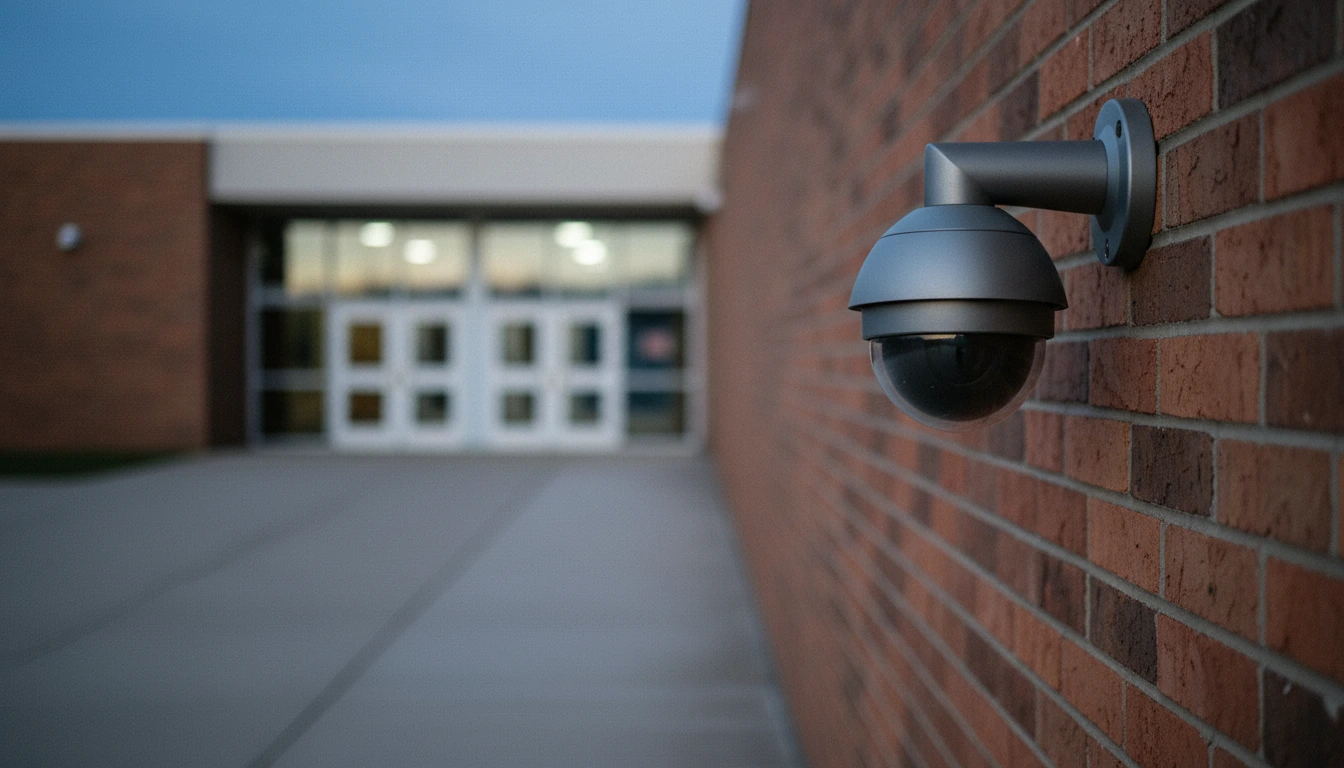
Some schools use cameras with AI that look for guns and send alerts to staff and police. In this case, the AI mistook a snack bag for a gun. People reviewed the image and the alert was cancelled, but armed police still came and detained four teenagers. The students now say both the technology and the adults around it failed, and they want rules in place before such systems are used again.
What happened
The Lawyers’ Committee for Civil Rights Under Law filed the suit on behalf of Taki Allen, Yui-Osa Ogbeide, Devon Thompson Jr. and Keith Winfield III, with Willkie Farr & Gallagher as pro bono counsel and Engel Law Group. Defendants include Omnilert, Baltimore County Public Schools and staff, the Baltimore County Police Department and individual officers.
According to the Lawyers’ Committee, school staff and police reviewed the image and cancelled the alert, but armed officers were dispatched anyway because there were no sufficient protocols to stop cancelled alerts from triggering a response. The students were ordered to their knees, handcuffed and searched outside the school.
What’s in the complaint
- Claims: unreasonable search and seizure under the US Constitution and the Maryland Declaration of Rights, false arrest, municipal liability, negligence and gross negligence, among others.
- Human review: the complaint says Omnilert’s review team looked at the image and “failed to identify the mistake.”
- Omnilert’s earlier position: the complaint quotes the company as saying afterward that the process “had functioned as intended.”
- Relief: compensatory and punitive damages, attorneys’ fees, and an injunction on the system’s use until adequate protocols and training are adopted. The plaintiffs demand a jury trial.
Omnilert’s response
The Guardian reported that an Omnilert spokesperson previously told the Baltimore Banner the company was reviewing the lawsuit and was “truly sorry for the fear they and their families experienced.” A Baltimore County spokesperson told the New York Times the district cannot comment on pending litigation, according to the Guardian. The allegations have not been tested in court.
Why it matters
For schools and public bodies, the case puts the focus on what happens after an AI alert: who verifies it, how a cancellation reaches officers, and whether a system with a very high false positive rate should trigger an armed response at all.
For AI vendors, it shows that “human in the loop” claims will be examined in court. If a reviewer passes on a wrong alert, both the model and the review process can face liability claims.
For AI regulation, the requested injunction is effectively a demand for minimum safeguards before deployment, similar to rules being debated for high-risk AI elsewhere. More cases like this are tracked in Law & Regulation.
What’s still open
- How Omnilert, the school district and police respond formally in court.
- Whether the court grants any injunction on the system’s use while the case proceeds.
- Whether other districts using AI weapon detection review their alert protocols.
Sources
- Lawyers’ Committee for Civil Rights Under Law, press release on Allen, et al. v. Omnilert, et al., 17 November 2026
- Complaint, Allen v. Omnilert, Circuit Court for Baltimore County, Maryland, e-filed 17 November 2026
- The Guardian, “Four Maryland high school students sue after AI mistakes Doritos bag for gun,” 18 November 2026
i10x Perspective
An AI that is right less than 1% of the time when it raises an alarm is a triage tool at best, and the real failure here was the chain of humans and procedures around it. Expect courts and lawmakers to ask for proof of verification steps before AI alerts can send police. More in Policy & Safety, including California’s lawsuit over rogue AI agents.