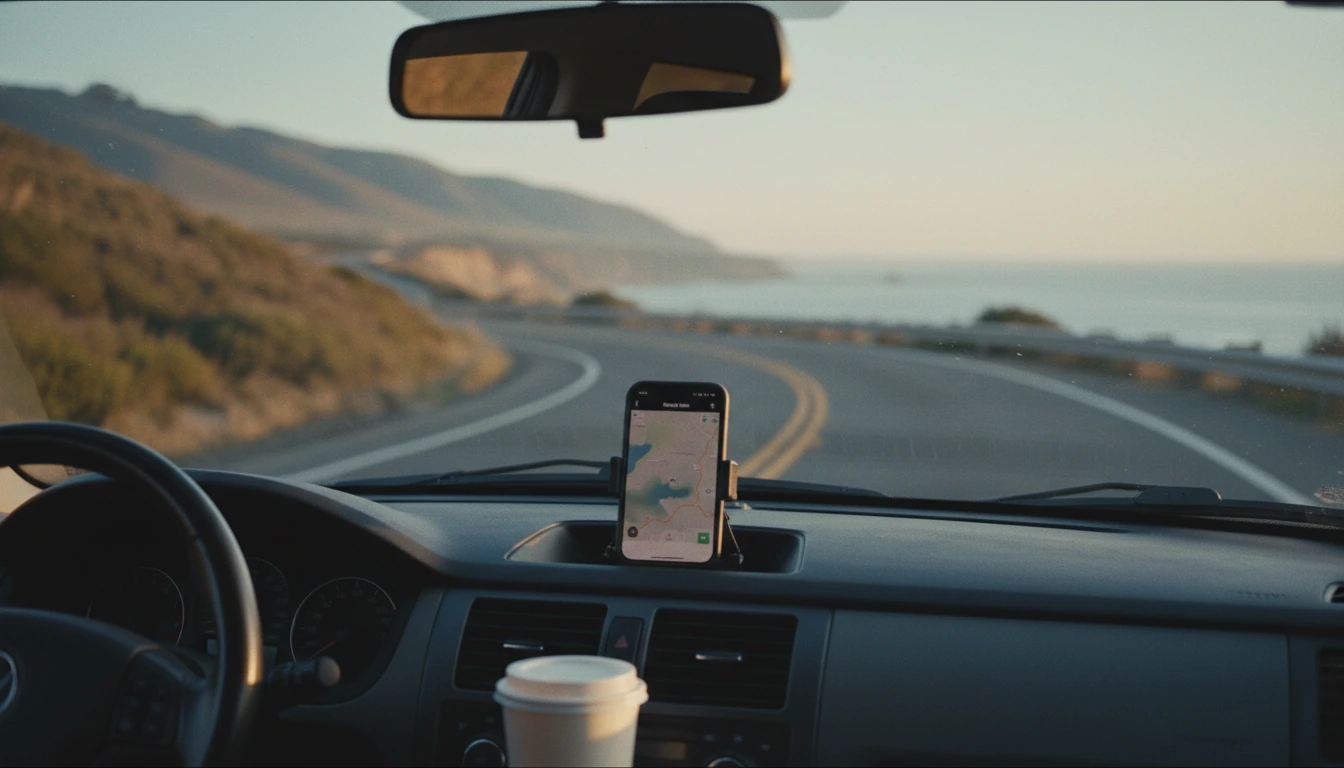
Google Maps can now plan a whole trip for you. On 16 November 2026, Google added AI-built itineraries, route tips and an appointment finder to Ask Maps, its Gemini-powered chat feature in Maps. The same day, Google said Ask Maps is expanding to more than 30 countries across Europe, including Germany, Spain and the UK.
Quick Take
- Itineraries: ask for a day trip or a multi-day road trip and get a day-by-day schedule with numbered map pins, tips, and live details like traffic, opening status and “vibe” at each stop.
- Agentic booking help: Ask Maps can find beauty, pet care, auto and home repair appointments online and call local businesses for you. US only at first.
- Route tips: “Know before you go” cards cover parking, EV charging, weather, delays and tolls. Also US first.
- List search: ask questions across your saved places, such as which spots have a table for five in the next 30 minutes.
- Europe: Ask Maps is rolling out to 30+ European countries, bringing it to more than 200 countries and territories.
In plain English
Google Maps is turning into a travel assistant. Instead of searching place by place, you can ask it to plan a three-day trip, and it builds a schedule you can edit, share or export to Google Docs. In the US it can even look for open appointments and phone a business for you.
What you should do: If you live in Germany, Spain or the UK, the basic Ask Maps chat is now coming to you too.
What happened
In a post on Google’s Keyword blog, Maz Khorasani, product director for Google Maps, said the updates “start rolling out today on Android and iOS.” Travel itineraries and list search work everywhere Ask Maps is offered. Route tips and the appointment finder launch first in the US, with “more regions coming soon.”
A separate Google post called Ask Maps “the biggest update to Google Maps in over a decade,” powered by Gemini models and information on more than 300 million places with reviews from more than 500 million contributors.
How it works
Building a trip. You ask for something like “a three-day road trip with stops for coastal hikes and oceanfront dining.” Ask Maps returns a schedule with insider tips and numbered pins. Saved itineraries get an “itinerary” badge in your chat history, and you can add stops on the fly, such as a scenic viewpoint or lunch spot, then tap for directions to the next stop.
Finding appointments. A request like “Find me a 4 p.m. nail appointment near me” returns open slots across nearby businesses. Google describes this as a new agentic capability that can also call businesses on your behalf.
Searching your lists. Ask Maps checks your saved places against live availability, so you can pick a place for a group without scrolling through hundreds of saves.
Why it matters
For users, this is one of the most practical AI agent launches so far, because it lives inside an app billions of people already use and works on real-time map data rather than general web text.
For local businesses, AI phone calls from Google are becoming part of normal customer traffic. That raises questions about how businesses identify and handle automated callers, and how bookings found by Maps get ranked.
For the assistant market, Google keeps pushing Gemini into its own apps, from Google Wallet spending insights to Gemini on Apple CarPlay. Maps is a strong place to win, because location and live business data are hard for rival chatbots to match.
What’s still open
- When the appointment finder and route tips will reach Europe.
- Which European countries are in the first 30, beyond Germany, Spain and the UK.
- How Google decides which businesses appear in appointment results.
Sources
- Google Keyword blog, “New Ask Maps features to help with holiday travel and prep,” Maz Khorasani, 16 November 2026
- Google Keyword blog, “Ask Maps is coming to Europe,” 16 November 2026
i10x Perspective
Most AI agents still live in chat windows. This one lives in the app you open when you are about to leave the house, and that is a big advantage. The appointment calls are the part to watch: once a map can phone a salon for you, local search quietly becomes an agent marketplace. More in our Browsers & Assistants section.